← Back
106 / 106 topics ready
After treatment and remission
Remission, follow-up, late effects and returning to life. Choose a topic — each one opens on its own page.
 What happens when treatment endsThe day the last course ends is a huge milestone for many people. Then the questions come: what happens now, how…
 End of treatment and cureAfter the last course, the most common question is: “Am I cured now?” The answer is not simple, because doctors use…
 RemissionHearing “you are in remission” is one of the most longed-for moments on the leukemia journey. It means that treatment…
- Complete remissionHearing “you are in remission” is one of the most longed-for moments on the leukemia journey. It means that treatment…In the article: What is remission?
 Molecular remissionIf leukaemia cells cannot be seen under the microscope, that is remission. But in some leukaemias it is possible to…
 MRDIn remission, an ordinary microscope sees no leukemia cells, but that does not mean not a single one is left in the…
 Am I cured?This may be the question you think about most after treatment. Sometimes it is hard even to say it out loud to your…
 The first days and weeksGoing home after the last course is a long-awaited moment. But the first days can be both joyful and unsettling: your…
 How the body recovers from treatmentChemotherapy acts on fast-dividing cells — not only leukaemia cells but also the bone marrow, hair roots and the…
 A new chapterWhen active treatment ends, a new stage of life begins: less hospital, more home, but still follow-up and recovery.…
 How remission is monitoredOnce remission is reached, your team checks regularly that it continues. This topic explains the “levels” of…
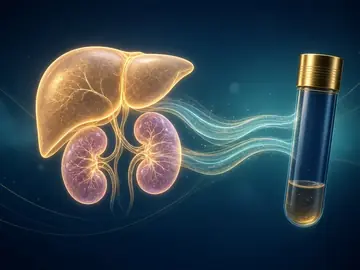 Follow-up blood testsFollow-up is not only about the blood count. Your doctor may also track how your organs are working, your iron…
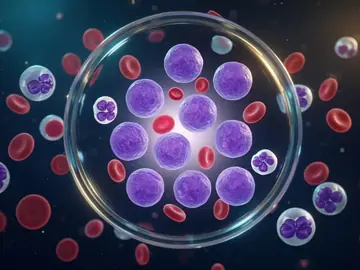 Monitoring with the CBCIn remission, the simplest and most frequent test is the complete blood count. It is a “window” onto how the bone…
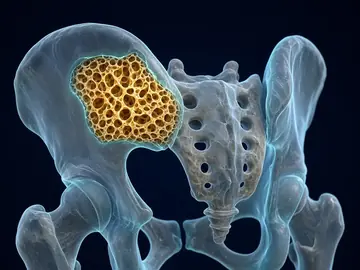 Bone marrow monitoringLeukaemia starts in the bone marrow, so the most accurate check of remission is often done in the marrow too. But how…
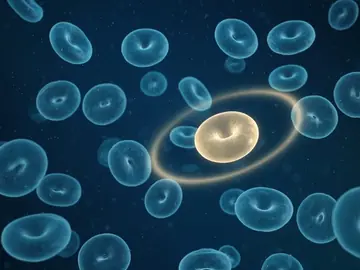 MRD monitoringMeasurable residual disease (MRD) means very small numbers of leukaemia cells that cannot be seen with an ordinary…
 Molecular monitoringSome leukaemias carry a specific “genetic signature” — such as a fusion gene or a mutation. Measuring that signature…
 Genetic monitoringChanges in the chromosomes and genes of leukaemia cells give important information both at diagnosis and in the years…
 When imaging is neededUnlike many solid tumours, leukaemia remission is monitored mainly with blood tests. Sometimes, though, an…
 Doctor check-upsAfter treatment ends, regular visits to the haematologist are the main support of remission. This topic explains how…
 Follow-up planWhen active treatment ends, a new stage begins — follow-up. This topic explains what a good follow-up plan includes…
 Medical recordsYears of leukaemia treatment produce hundreds of test results, reports and summaries. This topic explains which…
 Treatment summaryWhen treatment ends, a document that gathers your whole journey on one or two pages is very valuable. This topic…
 Comparing year by yearIn remission, the most useful information is not one test but the sequence of tests over years. This topic explains…
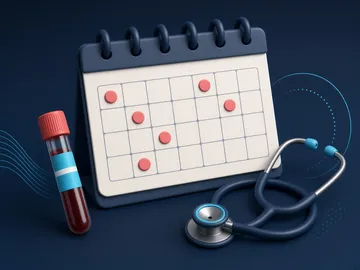 The purpose of follow-upWhy keep seeing a doctor after treatment ends? This topic explains the four main goals of follow-up during remission.
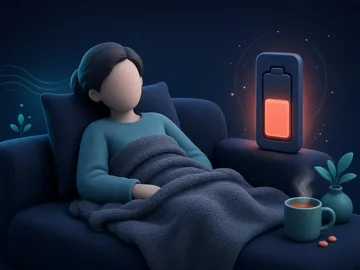 Why tiredness lingersTreatment is over and the tests look good, but your strength has not come back yet. This topic explains why tiredness…
 Physical strengthLeukaemia treatment reduces muscle strength: long bed rest, steroids and the illness itself all play a part. This…
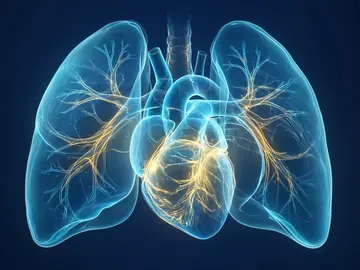 Muscles and staminaStamina is the ability to keep moving for a long time without tiring. This topic explains how to rebuild the stamina…
 Getting back to a healthy weightDuring leukaemia treatment some people lose weight, while others gain weight because of steroids. This topic explains…
 Return of appetiteAfter treatment ends, the wish to eat may not come back straight away. This topic explains why appetite recovers…
 Restoring sleepHospital nights, steroids, pain and worry can disrupt your sleep pattern. This topic explains why sleep is slow to…
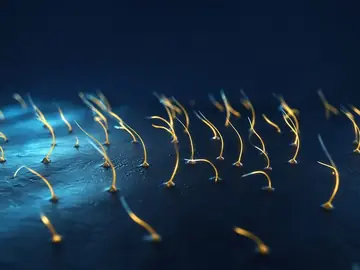 Skin and hairChemotherapy causes hair loss and dry skin. This topic explains how hair and skin recover after treatment and how to…
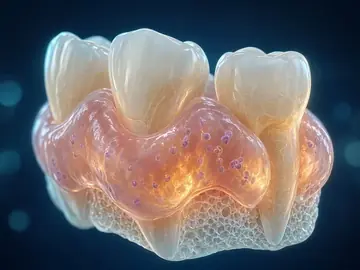 Mouth and teethChemotherapy and transplant affect the lining of the mouth, saliva and teeth. This topic explains how to restore and…
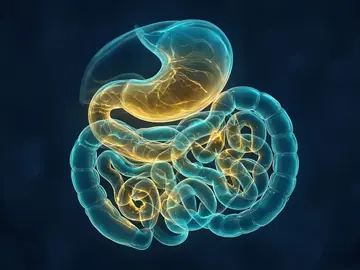 DigestionChemotherapy, antibiotics and transplant have a strong effect on the digestive system. This topic explains how…
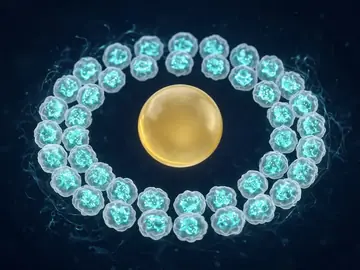 Immune recoveryAfter treatment ends, the immune system does not recover in a day but in stages. This topic explains how long it…
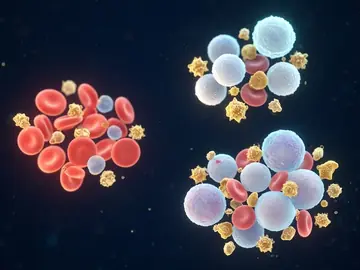 Blood count recoveryAfter treatment, the bone marrow starts making blood cells again. This topic explains how, and over what time, white…
 Why recovery differs from person to personTwo people with the same diagnosis can recover at completely different speeds after treatment. This topic explains…
 What is a late effectSome treatment effects appear not during treatment but months or years later. This topic explains what a late effect…Also:Late effects
 Why years laterTreatment ended long ago, yet some problems only appear now. This topic explains why late effects show up years later.
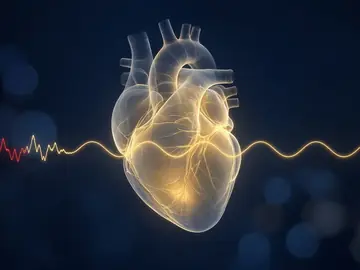 HeartSome medicines used to treat leukaemia, especially anthracyclines, can affect the heart years later. This topic…
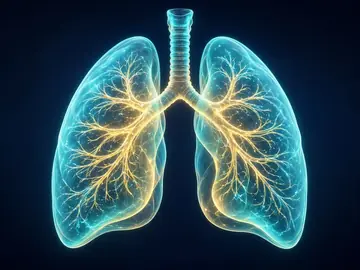 LungsSome leukaemia treatments — total body irradiation, certain chemotherapy medicines and transplant — can have…
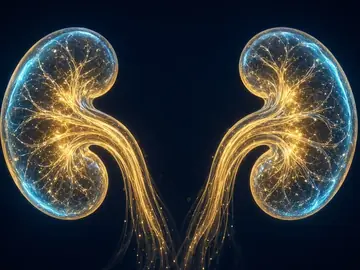 KidneysSome leukaemia treatments — certain antibiotics, antifungal medicines, immunosuppressants after transplant and…
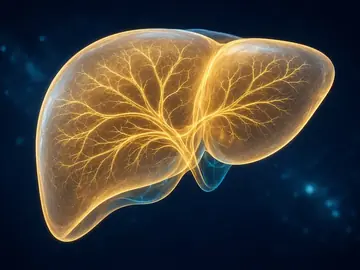 LiverThe liver is the main organ that processes medicines, so it is often under strain during leukaemia treatment. This…
 Bones and osteoporosisSteroids, inactivity, hormone changes and transplant can weaken bones. This topic explains loss of bone density…
 HormonesHead radiation, total body irradiation, high-dose chemotherapy and transplant can affect the glands that make…
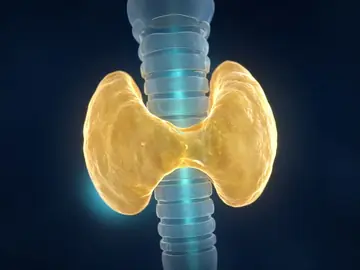 ThyroidThe thyroid gland sits in the neck and sets the body’s energy pace. This topic explains which thyroid changes can…
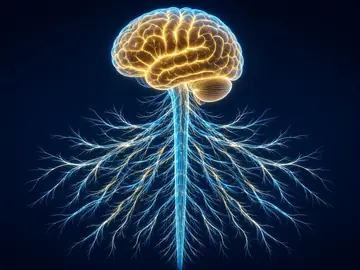 Nervous systemThe nervous system is made up of the brain, the spinal cord and the nerves that reach throughout the body. This topic…
 Memory and attentionAfter leukaemia treatment some people notice changes in memory, attention or thinking speed. This topic explains why…
 EyesLeukaemia treatment can sometimes affect the eyes years later — most often as cataracts and dry eye. This topic…
 TeethLeukaemia treatment, especially in childhood, can affect tooth development and mouth health even years later. This…
 FertilityFertility is the ability to have children. Leukaemia treatment sometimes affects it, but many people have children…
 Sexual healthLeukaemia and its treatment can affect desire, comfort and intimacy. This topic explains, calmly and openly, why this…
 Chronic fatigueFor some people tiredness continues for months or even years after treatment ends. This topic explains how treatable…
 NeuropathyPeripheral neuropathy is damage to the nerves that go to the hands and feet. This topic explains how it feels after…
 Chronic GVHDChronic graft-versus-host disease (GVHD) is a condition that can develop after a stem cell transplant from a donor.…
 Risk of a second cancerSome people who survive leukaemia develop a different, new cancer years later. This topic calmly explains what this…
 After childhood leukemiaEvery year there are more survivors of childhood leukaemia, and most of them live healthy, full lives. This topic…
 Late effects are individualTwo people treated for the same leukaemia can have completely different late effects. This topic explains why and why…
 The emptiness after treatmentFinishing treatment brings relief, but many people unexpectedly feel empty, anxious or tired. This topic explains why…
 Fear on test dayFollow-up checks and test days cause strong anxiety for many survivors. This topic explains where this feeling comes…
 Fear of relapseMost survivors fear that the leukaemia might come back. This topic explains why this fear arises, when it may grow…
 Not every pain means illnessAfter leukaemia, every new pain or bout of tiredness can cause fear. This topic explains how to tell ordinary body…
 Traumatic memoriesFor some people, the leukaemia diagnosis, emergency treatment, painful procedures or time in intensive care can come…
 When psychological help is neededSadness and anxiety after leukaemia are normal, but sometimes these feelings need professional help. This topic…
 Nutrition in remissionHealthy eating in remission helps rebuild strength, maintain weight and protect organs such as the heart and bones.…
 WeightAfter leukaemia treatment, weight can go up or down. This topic explains why, why a healthy weight matters and how to…
 Getting active againGetting active again after treatment rebuilds strength, energy and mood. This topic explains when and how to start…
 Facts about tobacco and alcoholTobacco and alcohol create extra risks for leukaemia survivors. This topic sets out the facts calmly and clearly and…
 Vitamin mythsAfter leukaemia, many people look for vitamins and supplements to “boost immunity” or “prevent relapse”. This topic…
 Long-term healthLong-term health after leukaemia is not only about watching for late effects, but also the ordinary health care that…
 WalkingWalking is the simplest, safest and most accessible way to get active again after treatment. This topic explains how…
 Rebuilding strengthMuscle strength falls during treatment, but it can be rebuilt with strength exercises. This topic explains how to…
 Balancing fatigue and activityActivity reduces fatigue, but overdoing it can make it worse. This topic explains how to spread your energy through…
 Preventing fallsAfter leukaemia, neuropathy, muscle weakness, bone problems or medicines raise the risk of falls for some people.…
 RehabilitationRehabilitation is planned help after treatment to rebuild strength, movement, thinking and independence in daily…
 PhysiotherapyPhysiotherapy restores movement, strength, balance and stamina through exercise and other methods. This topic…
 Returning to family lifeWhen treatment ends, family life may not go back to how it was straight away. This topic explains how to rebuild…
 Returning to workFor many people, going back to work is an important part of returning to normal life. This topic explains when to…
 Returning to studyGoing back to study at college, university or on a course is an important step for young people and adults. This…
 Travelling againFor many people, a trip after treatment is a symbol of getting back to life. This topic explains when and how to plan…
 New plansAfter treatment, many people rethink their priorities and set new goals. This topic explains how to plan for the…
 Remission in a childIn childhood leukaemia, especially ALL, remission is reached in most cases. This topic explains what remission means…
 Back to schoolGoing back to school is one of the most important steps in a child’s return to everyday life. This topic explains how…
 TeenagersAdolescence is a time of change in itself, and leukaemia adds extra challenges. This topic is for teenagers and their…
 Growth and hormonesLeukaemia treatment sometimes affects a child’s growth and hormone system. This topic explains which changes are…
 Fertility after childhood treatmentMany people treated for leukaemia in childhood can later have children, but some treatments affect fertility. This…
 A long-term guide for the familyFollow-up for people treated for leukaemia in childhood goes on for years, sometimes for life. This topic is a…
 What is a relapseA relapse is leukaemia coming back after remission. This topic explains calmly and clearly what a relapse is, why it…
 How a relapse may show itselfA relapse often shows itself with signs similar to those at the first diagnosis, and sometimes only through changes…
 Which changes to reportKnowing which changes after treatment to report urgently, which within a few days and which to discuss at your next…
 Not every symptom is a relapseAfter remission, any tiredness, cold or ache can trigger fear of relapse. This topic helps you look at symptoms calmly.
 If you suspect a relapseKnowing what to do when symptoms or a test result raise the possibility of relapse helps you avoid delay and panic.
 Psychological support at relapseNews of a relapse is often harder to take than the first diagnosis. This topic explains ways to get emotional support…
 My treatment historyA treatment history is a short timeline of what has been done from diagnosis until today. It is the key for any…
 My diagnosis and subtypeThe exact name and subtype of leukaemia determine treatment, follow-up and future risks. It is important to know it…
 Medicines I receivedA list of the medicines you received is needed for late-effect checks and for choosing new medicines safely in the…
 My transfusionsLeukaemia treatment often involves blood and platelet transfusions. Recording this information makes future care safer.
 My genetic resultsGenetic changes in leukaemia cells determine the risk group, treatment and follow-up tests. Keeping them accurately…
 My MRD resultsMRD (measurable residual disease) is a sensitive test that finds small numbers of leukaemia cells not visible with an…
 Transplant detailsIf you have had a transplant, its key details are needed for life: for follow-up, vaccines and any future treatment.
 Next follow-upFollow-up visits in remission are for finding relapse early, watching for late effects and getting answers to your…
 How to keep your recordsLeukaemia treatment creates many documents over the years. Well-organised records quickly help a new doctor…
 What to bring to a doctor abroadA well-prepared pack for a consultation abroad saves time, money and repeat tests.
 Where am I nowOn a long treatment journey, knowing clearly where you stand (which phase, which results, what next) reduces worry…
 Follow-up calendarA follow-up calendar shows visits, tests, vaccines and late-effect checks in one place so nothing is forgotten.
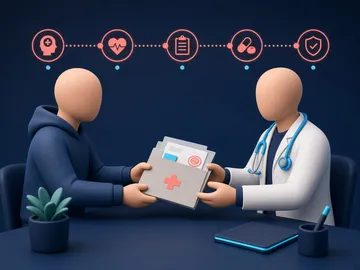 How to tell your story to a new doctorA new doctor (a family doctor, a specialist in another city or country, or emergency staff) needs to grasp your long…
 Remission roadmapRemission is not a moment but a journey. A roadmap shows the stages ahead, follow-up and the return to life at a glance.
No matching topics