← Back
40 / 41 topics ready
Questions and answers
Short, honest answers to the most common questions. Choose a topic — each one opens on its own page.
 What is leukemia?Leukemia is a disease of the blood-forming system. The short answer is simple, but there is a whole process behind…
 Is leukemia cancer?When people hear the diagnosis, many first ask: is this cancer? The answer is yes. But knowing what the word means…
 Is it contagious?After a diagnosis families often ask: can it pass to the children or to my partner? The short answer is no.
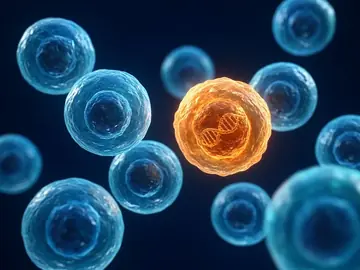 Is it inherited?Parents and children often ask whether this will pass down through the family. In most cases it will not.
 How many types are there?Leukemia is not one disease but a family of diseases. Knowing the type is the key to understanding treatment.
 Can it be completely cured?This is the most common and the hardest question. The honest answer: for some people yes, but it depends on the type…
 What is remission?The word “remission” brings hope. But it is important to know exactly what it means.
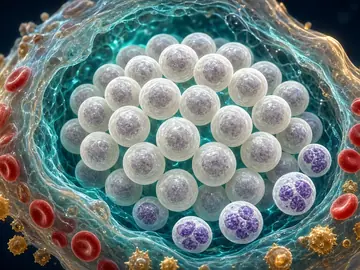 Questions about AMLA diagnosis of acute myeloid leukemia (AML) needs prompt treatment. Here are short answers to the most common questions.
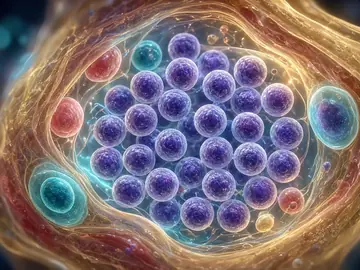 Questions about ALLAcute lymphoblastic leukemia (ALL) is the most common cancer in children, but it also occurs in adults.
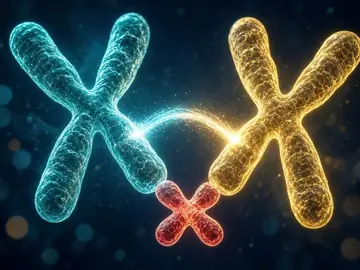 Questions about CMLChronic myeloid leukemia (CML) is one of the leukemias that has changed most in recent decades: many people now live…
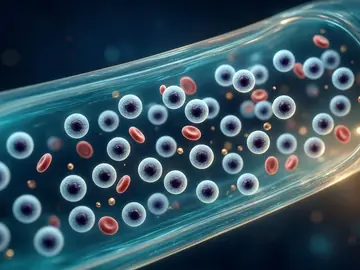 Questions about CLLChronic lymphocytic leukemia (CLL) usually progresses slowly and is often found by chance on a routine blood test.
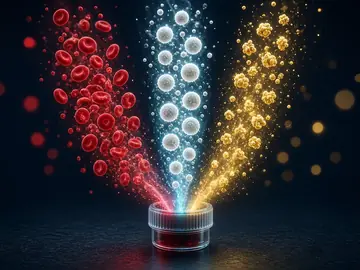 What is a CBC?The complete blood count (CBC) is the most frequent test during leukemia treatment. Learning to read it helps a great…
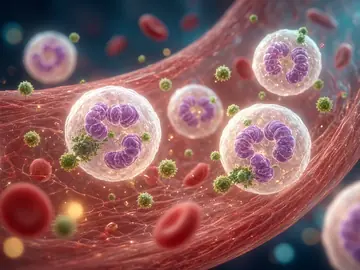 What is ANC?The ANC (absolute neutrophil count) is the key number for infection risk. You will hear it often during treatment.
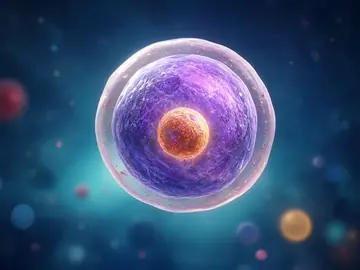 What is a blast?“Blast” is one of the most common words in leukemia test reports. Its meaning is simple.
 Is a number a diagnosis?It is natural to worry when you see a number flagged in red on a test report. But one number on its own is not a…
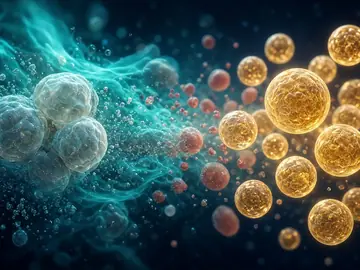 What is chemotherapyChemotherapy is one of the oldest, and still one of the most important, treatments for leukemia.
 Why are cycles repeatedMany patients ask: isn’t one cycle enough? There is a reason cycles are repeated.
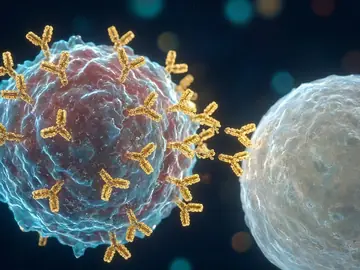 What is CAR-TCAR-T is one of the newer leukemia treatments: the patient’s own immune cells are “trained” to recognise leukemia.
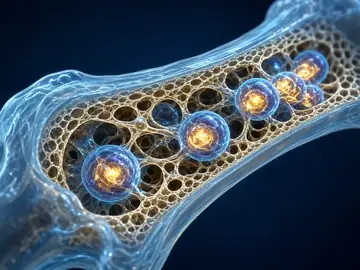 What is a transplantA stem cell (bone marrow) transplant replaces a diseased blood-forming system with a healthy one.
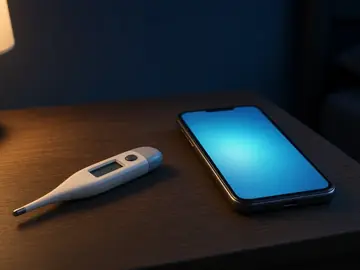 Can I wait if I have a feverShort answer: no. During treatment, especially when neutrophils are low, a fever is an emergency.
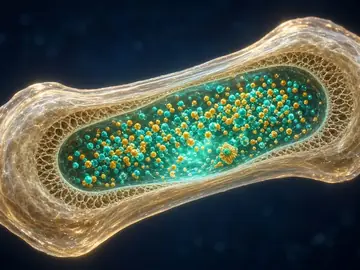 What is sepsisSepsis is the body’s overreaction to an infection. It needs urgent treatment.
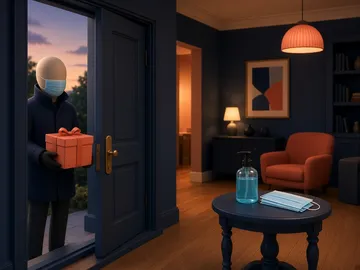 Having guestsVisits from loved ones give strength. During treatment they need to be made safe.
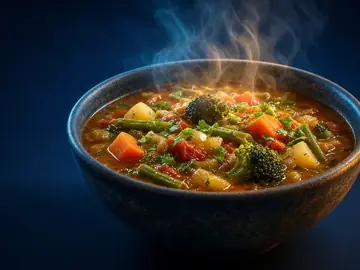 What can I eat?This is one of the most common questions during treatment. The main idea: properly cooked, fresh and clean food.
 Which tea cures?This question often comes from love and hope. The honest answer: no tea cures leukemia.
 Can I take a showerYes, in most cases you can, and it is even recommended: daily cleanliness lowers infection risk.
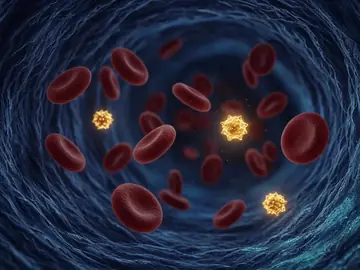 If platelets are lowPlatelets are small cells that stop bleeding. When they are low, a few simple precautions help a lot.
 Showering with a catheterIf you have a central venous line (a PICC, port or tunnelled line), you can shower, but keeping the line dry is…
 Why am I afraidAfter a diagnosis almost everyone feels fear. It is not weakness; it is the body and mind’s natural response to an…
 Test dayTest days are an ordinary part of treatment, but they can bring anxiety. A little preparation makes the day easier.
 How to tell my familyTelling your family about the diagnosis is one of the hardest conversations. There are no ready-made “right words”…
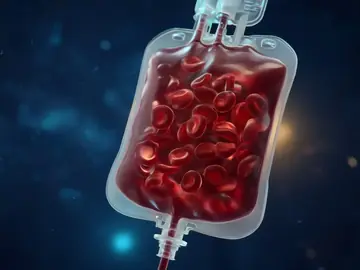 What is a transfusionA transfusion is giving donated blood or blood components into a vein. It is often needed during leukemia treatment.
 What is HLAHLA is the “ID card” on the surface of cells. It is the most important factor when choosing a transplant donor.
 What is GVHDGraft-versus-host disease (GVHD) is the reaction of a donor’s immune cells against the patient’s tissues after an…
 Does remission mean cure?News of remission is a great joy. But it does not always mean “you are cured”.
 Is every symptom a relapse?After treatment, any tiredness or pain can bring fear. Most often it is not a relapse.
 Questions for the doctor: diagnosisOn diagnosis day a lot of information arrives at once. Prepared questions help you not to forget what matters.
 Questions for the doctor: treatmentUnderstanding the plan before treatment starts brings calm and a sense of control.
 Questions for the doctor: after treatmentThe end of treatment is the start of a new stage. That stage needs questions too.
 What to do nowAfter a diagnosis everything lands at once. You do not have to sort everything out today; a few important steps are…
 A question about my countryEvery country organises treatment, insurance and paperwork differently. Asking the right question about your country…
No matching topics