← Back
42 / 42 topics ready
Medical glossary
Plain explanations of terms from test reports and doctor visits. Choose a topic — each one opens on its own page.
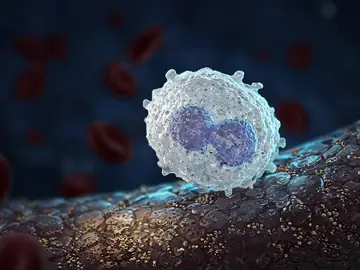 NeutrophilNeutrophils are white blood cells that are first to fight bacteria and fungi. They are made in the bone marrow.
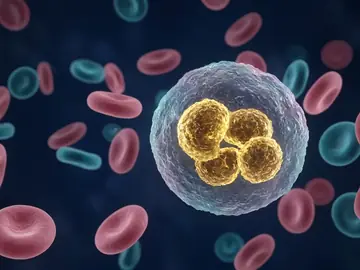 ANCThe ANC shows the actual number of neutrophils in the blood. It is used to judge the risk of infection.
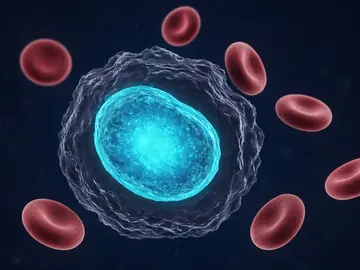 BlastA blast is an immature, “young” blood cell. Normally there are few in the bone marrow, and they develop into mature…
 RemissionRemission means the signs of leukaemia have lessened or disappeared after treatment. It is an important stage, but…
 CureDoctors use the word “cure” carefully. It usually means no signs of disease for many years and a very low chance of…
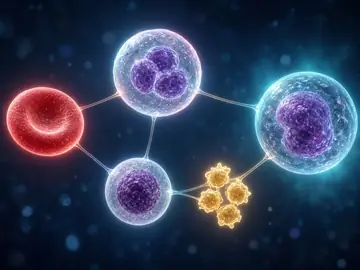 AspirationAfter a leukemia diagnosis, it can feel as if you have to learn a new language: blast, remission, neutropenia, MRD…In the article: Introduction to the glossary: key terms
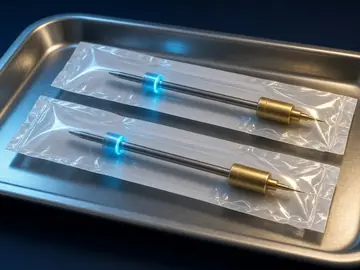 BiopsyA biopsy is the removal of a small piece of tissue for testing. In leukaemia, a bone marrow biopsy is often done…
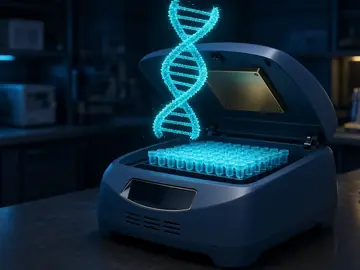 PCRPCR is a laboratory method that copies a particular piece of DNA or RNA millions of times so that it can be detected.…
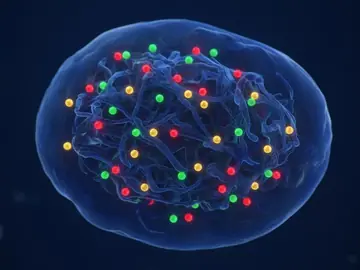 FISHFISH uses glowing probes to make particular genes or chromosome breaks visible.
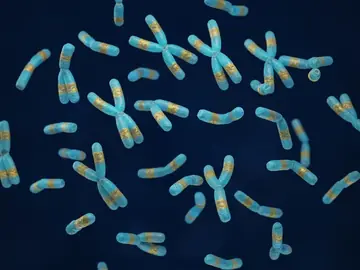 KaryotypeA karyotype is a picture of all a cell's chromosomes arranged by size. In leukaemia it is done to look for changes in…
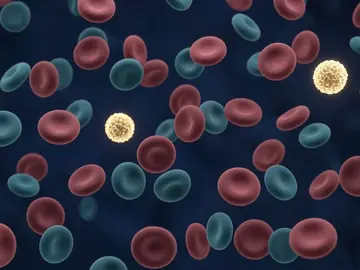 MRDMRD is a small number of leukaemia cells left in remission that cannot be seen with an ordinary microscope. It is…
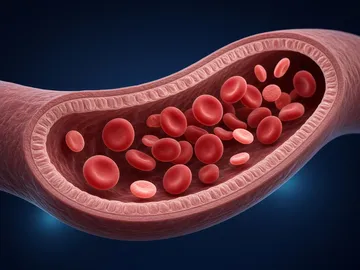 ThrombocytopeniaThrombocytopenia means too few platelets, the cells that help blood clot.
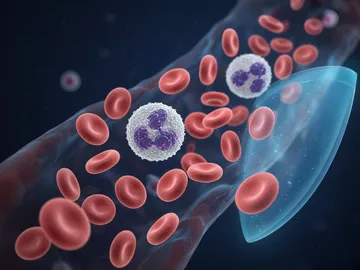 NeutropeniaNeutropenia means too few neutrophils in the blood. During this time the body is poorly protected against infection.
 LeukopeniaLeukopenia is a low total number of white blood cells (leukocytes).
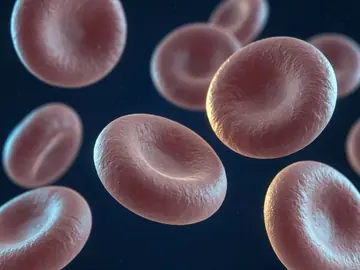 AnemiaAnaemia means too few red blood cells or too little haemoglobin. Less oxygen then reaches the tissues.
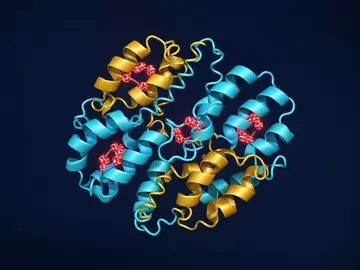 HemoglobinHaemoglobin is the protein in red blood cells that carries oxygen from the lungs to the tissues.
 SepsisSepsis is the body's extreme reaction to an infection, which can damage organs. It is an emergency.
 InfectionAn infection is when bacteria, viruses or fungi enter the body and multiply. In leukaemia the risk of infection is high.
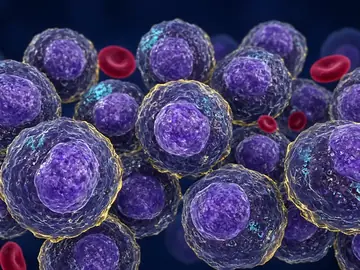 AMLAML is a fast-developing leukaemia arising from immature (blast) myeloid blood cells. It is more common in adults.
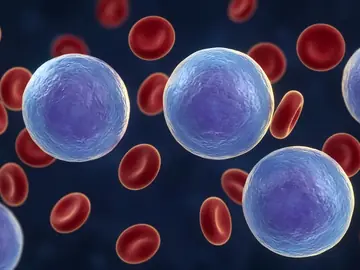 ALLALL is an acute leukaemia arising from immature cells of the lymphoid line. It is the most common cancer in children…
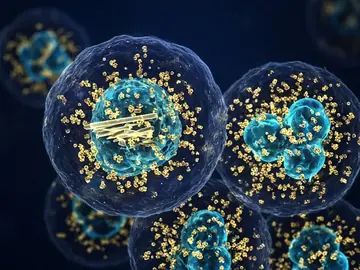 APLAPL is a special type of AML. Because of the risk of serious bleeding, treatment must start urgently, but it is one…
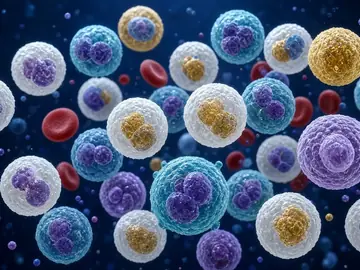 CMLCML is a slowly developing leukaemia that is almost always linked to the Philadelphia chromosome and the BCR::ABL1 gene.
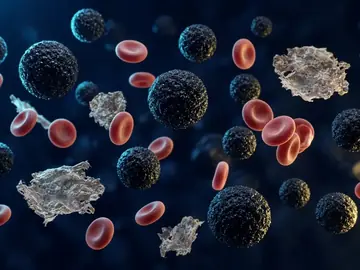 CLLCLL is a slow leukaemia in which mature-looking but poorly working B lymphocytes build up. It mostly affects older…
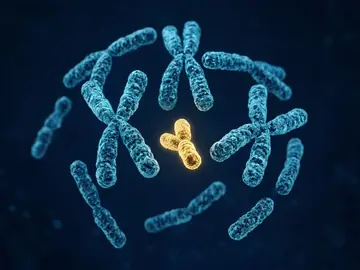 Philadelphia chromosomeThe Philadelphia chromosome (Ph) is a shortened chromosome 22 formed when pieces of chromosomes 9 and 22 swap places.…
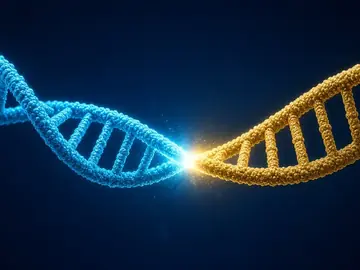 BCR::ABL1BCR::ABL1 is a fusion gene formed when the BCR and ABL1 genes join. Its protein constantly tells the cell to grow.
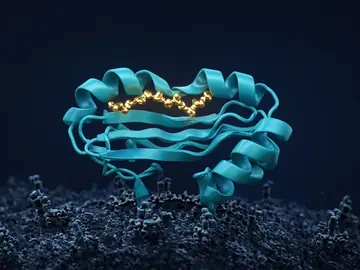 HLAHLA are proteins on the surface of cells that help the immune system tell “self” from “foreign”. They are the main…
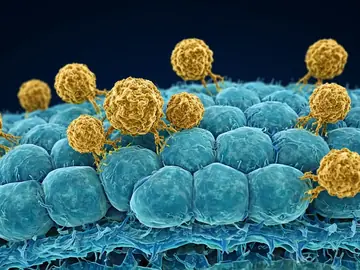 GVHDGVHD is when donor immune cells attack the patient's tissues after an allogeneic transplant.
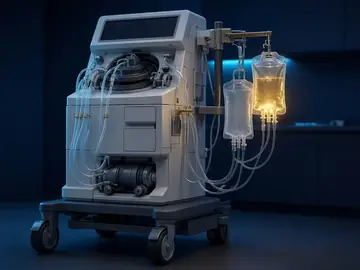 CAR-TCAR-T means taking a patient's own T cells, giving them a receptor in the laboratory that recognises a leukaemia…
 TKITKIs are targeted medicines that block enzymes passing signals inside the cell (tyrosine kinases). They are the main…
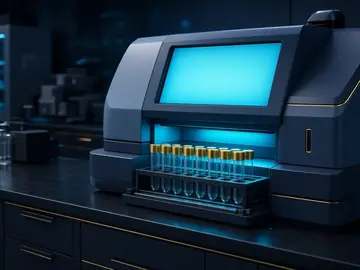 CBCA complete blood count measures red blood cells, haemoglobin, white blood cells and platelets. It is the most…
 InductionInduction is the first and usually most intensive phase of treatment. Its aim is to achieve remission.
 ConsolidationConsolidation is treatment given after remission is reached. Its aim is to destroy remaining leukaemia cells and…
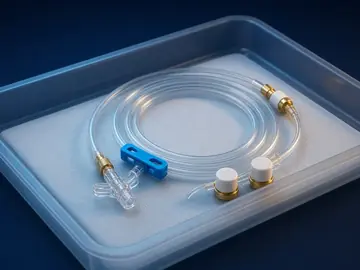 PICCA PICC is a thin, long tube placed through a vein in the arm so that its tip reaches a large vein near the heart. It…
 PortA port is a small reservoir placed under the skin, with a tube leading to a large vein. It is a convenient route for…
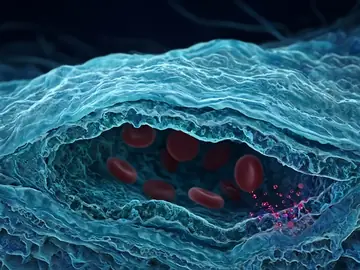 PetechiaePetechiae are tiny, pinpoint red-purple spots on the skin or inside the mouth. They come from bleeding from small…
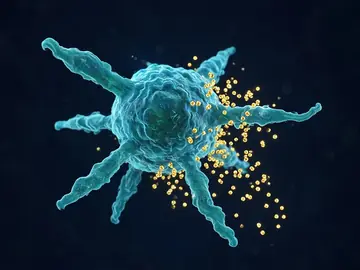 CytokineCytokines are small proteins that immune cells use to “talk” to each other. They control inflammation, fever and the…
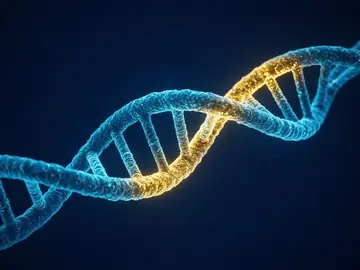 GeneA gene is a section of DNA that gives a cell instructions for making a particular protein. Humans have about 20,000…
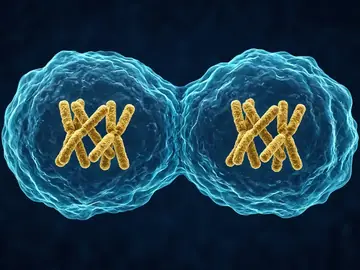 ChromosomeA chromosome is a tightly packed form of DNA that carries genes. A human cell usually has 46 chromosomes (23 pairs).
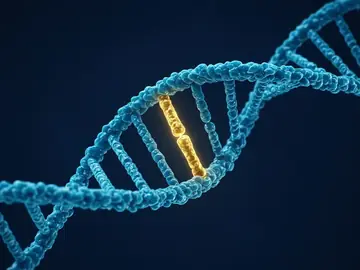 MutationA mutation is a change in the DNA sequence. Some mutations are harmless; others can lead to a cell growing out of…
 Commonly confused wordsMedicine has many words that look alike but mean different things. Telling them apart makes conversations with your…
 The doctor said thisSome phrases doctors use can sound frightening or unclear. Knowing their plain meaning lowers anxiety.
 Terms in AZ / RU / ENIn different countries and documents the same term is written in different languages. This card matches key terms…
No matching topics