← Back
98 / 102 topics ready
Psychology, family and everyday life
Feelings, family, caregivers, work and everyday care at home. Choose a topic — each one opens on its own page.
 When you hear the diagnosisFor many people, the moment they hear the word “leukemia” splits life into “before” and “after”. Shock, fear, anger…
 Shock and the first daysFor many people, the moment they hear the word “leukemia” splits life into “before” and “after”. Shock, fear, anger…In the article: First feelings after the diagnosis
 FearLiving with leukemia often means living with uncertainty: test results, how treatment will work, the family’s future.…
 PanicLiving with leukemia often means living with uncertainty: test results, how treatment will work, the family’s future.…In the article: Coping with fear and anxiety
 StressDiagnosis, treatment, waiting for results, money and family worries all cause stress. It shows in the body too: tense…
 Emotions during treatmentTreatment is a long road, and emotions come in waves: hope, fear, anger, sadness, tiredness and even joy. Steroids…
 HopeHope is not only the thought "I will get better". It can change: hope for a good result, a pain-free day, time with…
 Self-blameAfter diagnosis many people blame themselves or loved ones: "I went too late", "I was stressed", "I ate badly", "I…
 Self-confidenceIllness can change work, everyday roles, appearance and strength. That can shake confidence: "I am not who I was".…
 Changes in appearanceTreatment can cause hair loss, weight change, a puffy face from steroids, dry or discoloured skin, nail changes and…
 Hair lossSome chemotherapy medicines affect the cells of hair roots and cause hair loss on the head, eyebrows, eyelashes and…
 Living with the illnessLeukemia sometimes needs months, sometimes years, of treatment and follow-up. Life does not stop, but it needs a new…
 How the family can helpFamily support is an important part of treatment, but loved ones often do not know what to do. This section explains…
 Husband or wifeLeukemia affects both people in a couple. The partner becomes both a loved one and a carer; roles, plans, money and…
 ParentsLeukemia in a child changes the whole family; parents feel fear, guilt and exhaustion. In adults, older parents are…
 How to explain it to a childChildren always sense when something has changed in the family, and silence increases their fear. Whether the child…
 What you can sayWhen talking with a loved one who is ill, many people fear "saying the wrong thing" and stay silent. Yet simple…
 What is better left unsaidSome words are said with good intentions but hurt the person, blame them or make them feel alone. This section…
 Communication in the familyDuring illness everyone in the family has different information, fears and opinions, and that creates tension. This…
 How a loved one can avoid burnoutCarers often forget their own needs. Months of caregiving can lead to tiredness, poor sleep, irritability and…
 A long stay in hospitalInduction treatment for acute leukemia or a transplant can mean weeks in hospital. That is a physical and emotional…
 The hospital roomLeukemia treatment often uses single or double rooms; transplant units may have rooms with filtered (HEPA) air. This…
 Personal belongingsPersonal belongings make a hospital room more comfortable, but they can also carry dust and germs. This section…
 The hospital bedA hospital bed with adjustable height, back and side rails gives comfort and safety. This section explains how to use…
 VisitorsVisitors lift the patient's mood but can also bring infection. This section explains how to make visits both pleasant…
 Hygiene for visitorsA visitor's hands and clothes can carry germs to the patient. A few simple rules greatly reduce that risk.
 Phone and devicesIn hospital, a phone and tablet matter for contact with family, work, study and rest. But they are also the…
 Clothing during treatmentDuring treatment the skin is sensitive, temperature changes and there may be a catheter and drips. The right clothing…
 Fabrics and skinChemotherapy, radiotherapy and some medicines can make skin dry, sensitive and easily irritated. Fabric choice…
 UnderwearUnderwear sits closest to the skin. When neutrophils are low, skin folds and the genital area are more vulnerable to…
 Socks and shoesDuring treatment the feet can become weak, numb (neuropathy) and swollen, and skin injuries easily become infected.…
 HeadwearWhen hair falls out, the scalp becomes sensitive, burns in the sun and loses heat quickly in the cold. Headwear…
 Cold and heatDuring treatment people often feel chilly or hot because of anemia, medicines or fever. The key rule: chills can be…
 LaundryClean clothes and bedding protect the skin and body from germs during neutropenia. This section covers simple rules…
 Hospital bagUrgent hospital admission is common with leukemia, whether for fever, bleeding or planned treatment. A bag packed in…
 How to prepare the bedPeople spend a third of the day in bed, and more during treatment. A clean, comfortable and safe bed protects the…
 Sheets and blanketsSheets touch the skin for hours, and duvets and blankets can collect dust and germs. This section explains how to…
 PillowA pillow is in direct contact with the face, mouth and hair. Its cleanliness matters most during hair loss, mouth…
 Air in the roomWhen neutrophils are low, especially after a transplant, fungal spores in the air (such as Aspergillus) and smoke can…
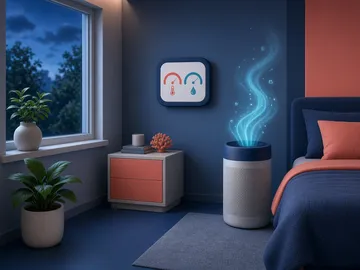 Temperature and humidityAir that is too dry dries out the skin, lips and lining of the nose, raising the risk of nosebleeds. Air that is too…
 DustDust can carry allergens, micro-organisms and fungal spores. When neutrophils are low, cleaning matters, but it needs…
 Night-time safetyAt night, darkness, sleepiness, anemia, medicines and frequent trips to the toilet raise the risk of falling. When…
 Preparing the homeBefore the patient comes home, the family can prepare the house. The aim is not a sterile home but a clean, safe and…
 KitchenDuring neutropenia, foodborne infections are particularly dangerous. Organising the kitchen helps put the food-safety…
 Bathroom and toiletBecause it is damp, a bathroom suits germs and mould. During neutropenia keeping it clean is especially important.
 Rubbish and wasteIn a rubbish bin, food scraps spoil fast, bacteria and fungi multiply and insects are attracted. During neutropenia…
 Moving safely at homeDuring treatment, weakness, dizziness, anemia and neuropathy raise the risk of falling. When platelets are low, even…
 Showering and bathingDuring neutropenia a daily shower reduces germs on the skin and protects against infection. It needs to be done in a…
 Bathroom safetyThe bathroom is one of the commonest places for falls at home: wet floors, hot water and dizziness. When platelets…
 Choosing soapDuring treatment the skin is dry and sensitive. The right soap cleans without drying or irritating it.
 Shampoo and hairDuring chemotherapy hair can thin, dry out or fall out, and the scalp becomes sensitive. The right care protects the…
 Skin careHealthy skin is a barrier against germs. During treatment skin can become dry, red, rashy, sun-sensitive and easily…
 Dry skinChemotherapy, some targeted medicines, radiotherapy and dry air can dry out the skin. Dry skin itches and cracks, and…
 Hand hygieneMost germs are passed on by hands. During neutropenia, hand hygiene by both the patient and the people around them is…
 NailsGerms collect under the nails, and small injuries around a nail can turn into infection during neutropenia. Some…
 Mouth and teethChemotherapy makes the lining of the mouth vulnerable; with low neutrophils, mouth germs can cause infection, and…
 Caring for mouth soresWith mucositis, mouth sores are painful, make eating hard and can be a way in for infection during neutropenia. Good…
 TowelsA damp towel is a good home for germs. During neutropenia, a personal towel that is changed often is a simple but…
 Low neutrophils — hygieneNeutrophils are the first defence against bacteria and fungi. When they are low (neutropenia), even an ordinary germ…
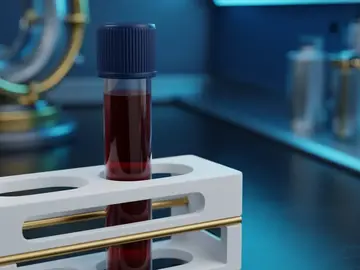 ANC and your dayThe ANC, or absolute neutrophil count, is the main measure of infection risk. Knowing it makes it easier to plan the…
 Low platelets — everyday lifePlatelets help blood clot. When they are low, even a small injury can bleed for a long time and bruise. Simple…
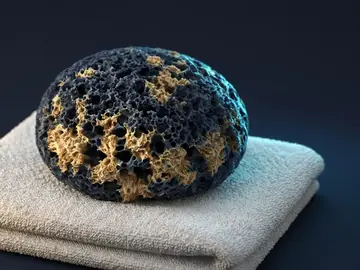 Showering when there is a bleeding riskWhen platelets are low, a fall in a wet bathroom or rubbing the skin can cause bleeding and bruising. A few simple…
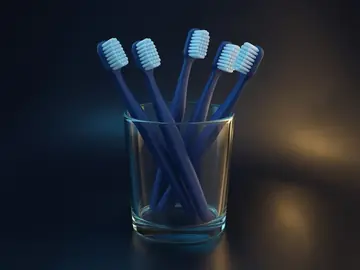 Caring for teeth when there is a bleeding riskWhen platelets are low, gums bleed easily. Mouth care must not stop, because infection risk rises, but the method…
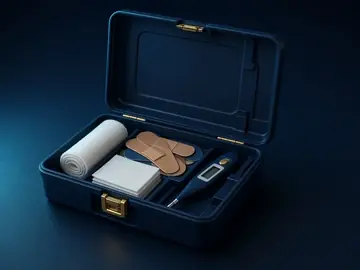 Cuts and scrapesWith low platelets a small cut can bleed for a long time, and with low neutrophils it can become infected. Calm…
 NosebleedsWhen platelets are low, the lining of the nose bleeds easily, especially in dry air. The right position and pressure…
 Bleeding gumsBleeding gums are often one of the first signs that platelets are low. Simple steps usually stop it, but your team…
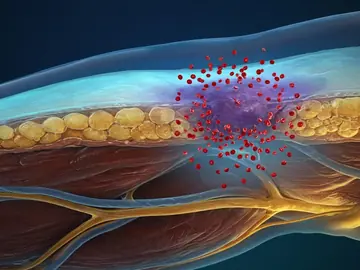 Bruises and petechiaeWhen platelets are low, bruises can appear for no reason, along with petechiae: tiny red-purple dots that do not fade…
 Low hemoglobin — your dayHemoglobin carries oxygen around the body. When it is low (anaemia), you may feel tired, breathless, dizzy, have a…
 Anemia and exertionMovement can ease tiredness and preserve strength, but with anaemia the heart and lungs work harder. Activity should…
 When your counts start to riseThe recovery of neutrophils, platelets and hemoglobin is an important and happy stage of treatment. But the rules…
 Hygiene on transfusion dayOn transfusion day you may be neutropenic or have a catheter. Simple hygiene preparation lowers the risk of infection…
 Showering around a transfusionAfter a transfusion you are watched for a while for any reaction, and the access site may be fresh. When and how you…
 Platelet transfusion dayWhen platelets are very low or there is bleeding, donor platelets are given. The procedure is usually short, but…
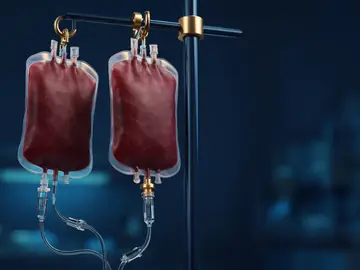 Red cell transfusion dayWhen hemoglobin is very low or symptoms are severe, red cells are transfused. This can ease tiredness and…
 Observation after a transfusionMost reactions happen during the transfusion, and staff notice them straight away. But some appear hours or days…
 Transfusion reactionsTransfusion is a safe procedure, but reactions are possible, from mild itching to rare serious events. Staff watch…
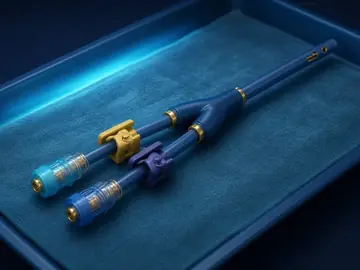 Hygiene with a catheterA central line (PICC, port or tunnelled line) makes treatment easier, but it can give germs a direct route into the…
 Showering with a central lineYou can and should wash with a central line, but the line and dressing must stay dry. Baths, pools and hot tubs are…
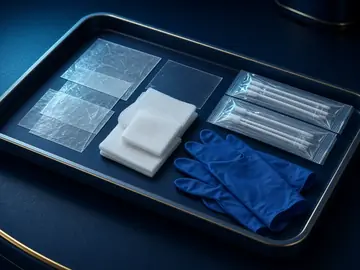 Keeping the catheter dryIf water gets under the dressing, germs from the skin can find a way to the line. The right cover and a check…
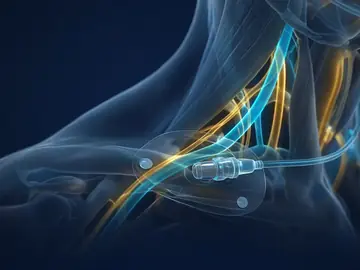 Skin around the catheterDressing adhesive, antiseptic and sweat can irritate the skin around a line. Sometimes, though, redness is a sign of…
 Self-care on chemotherapy dayChemotherapy day can be long and tiring. Preparing ahead, eating lightly, drinking water and having support make it…
 Body fluids and safety at homeFor a few days after chemotherapy, traces of the medicines can leave the body in urine, stool, vomit, sweat and other…
 Soiled clothingClothes and bedding soiled with body fluids can carry germs and, after chemotherapy, traces of medicines. Washing…
 Showering with a feverDuring neutropenia, a fever is an emergency. Trying to bring it down with a shower or cold water wastes time and can…
 Sweat and clothingFevers, night sweats, some medicines and hormonal changes can cause heavy sweating. Damp clothing irritates the skin…
 Planning your day by your blood countsNeutrophils, platelets and hemoglobin each signal a different risk. Turning them into a simple green, amber and red…
 PetsA pet is a source of comfort and joy. Most people can keep their pet, but during neutropenia animal waste, saliva…
 Plants and soilSoil, rotting leaves, compost and stagnant water in flower vases can harbour fungi and bacteria. During neutropenia…
 CrowdsRespiratory infections spread easily in crowded places. When neutrophils are low, avoiding crowds is one of the most…
 GuestsVisits from loved ones give strength. With simple rules you can welcome visitors; the main thing is not to bring…
 Contact with childrenChildren bring love and strength, but they often carry colds, stomach bugs and childhood illnesses. With simple…
 WorkSome people keep working during treatment, others take a break. Both are normal. The choice depends on your…
 StudySchool and university are a normal part of life, and study may be possible during treatment: online, at home, in a…
 Social isolationNeutropenia, hospital stays, tiredness and avoiding crowds can all lead to isolation. Loneliness affects mood, sleep…
 Relationships and intimacyIllness and treatment affect a couple, body image, energy and desire. It is normal to talk about this, and your team…
 Talking about fertilitySome chemotherapy, radiotherapy and transplants can affect the chance of having children in future. It is important…
 A day at homeDays at home between treatment cycles are for recovery. A simple daily rhythm of hygiene, checks, food, movement…
 A day in hospitalDuring induction, a transplant or complications, you may need to stay in hospital for weeks. Knowing what the day…
No matching topics