Preparing the home: a safe return from hospital
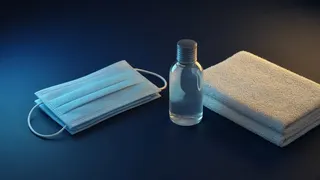
Before the patient comes home, the family can prepare the house. The aim is not a sterile home but a clean, safe and comfortable one.

01Short answer
02Simple explanation
Clean, not sterile.
Soap everywhere.
Clear walkways, a night light.
Thermometer and phone numbers.
03Scientific explanation
NCI: hand hygiene, cleanliness and avoiding contact with ill people reduce infection risk during neutropenia.
NCI: chemotherapy can lower neutrophils, platelets and red cells, which raises the risk of infection, bleeding and fatigue.
04What happens in the body?
Vaccination
Family members' flu vaccines protect the patient; ask the team about live vaccines.
Renovation
Building dust spreads fungal spores.
Neutrophils
The first defence against infection; when they are low, hygiene matters most.
Platelets
Help blood clot; when they are low, protect yourself from injury.
05Daily protection: four steps
Wash, protect, check, report.





06Key points at a glance
| Topic | In brief |
|---|---|
 Vaccination | Family members' flu vaccines protect the patient; ask the team about live vaccines. |
 Renovation | Building dust spreads fungal spores. |
| Neutrophils | The first defence against infection; when they are low, hygiene matters most. |
 Platelets | Help blood clot; when they are low, protect yourself from injury. |
07Key terms
- Sterile
- Germ-free; a home does not need to be.
- Neutropenia
- A low neutrophil count.
- ANC
- Absolute neutrophil count.
- Thrombocytopenia
- A low platelet count.
08Key points
- Clean.
- Soap.
- Numbers in view.
- Wash your hands.
- 38 °C: call.
09Frequently asked questions
Do we need to disinfect the house specially?
Usually not; ordinary cleaning and hand hygiene are enough.
What if a family member falls ill?
Keep apart where possible, wear a mask and wash hands.
What should I watch every day?
Temperature, bleeding, tiredness and the catheter site; tell your team about any change.
10Questions for your doctor
Take these questions to your appointment. The ones you save are collected on the “My questions” page and stay on this device only.
Do we need to disinfect the house specially?
What if a family member falls ill?
What should I watch every day?
12Sources
- National Cancer Institute. Infection and Neutropenia during Cancer Treatment
- National Cancer Institute. Bleeding and Bruising (Thrombocytopenia) and Cancer Treatment
- National Cancer Institute. Anemia and Cancer Treatment
- World Health Organization. World Hand Hygiene Day
- National Cancer Institute (NCI). Support for Families: Childhood Cancer
- American Cancer Society. Helping Children When a Family Member Has Cancer
- Macmillan Cancer Support. Talking to children and teenagers
- BMJ, 2000. Telling children about a parent’s cancer
- European Journal of Cancer Care, 2020. How psychosocial interventions meet the needs of children of parents with cancer: A review and critical evaluation
- Pediatric Blood & Cancer, 2015. Supporting Siblings as a Standard of Care in Pediatric Oncology