Moving safely at home: protection from falls and knocks
During treatment, weakness, dizziness, anemia and neuropathy raise the risk of falling. When platelets are low, even a small knock can cause bruising and bleeding.

01Short answer
02Simple explanation
Rugs and cables: pick up.
A handrail on stairs.
No ladders.
A fall? Tell us.
03Scientific explanation
NCI: when platelets are low, protecting yourself from injury reduces bleeding risk; anemia can cause dizziness.
NCI: chemotherapy can lower neutrophils, platelets and red cells, which raises the risk of infection, bleeding and fatigue.
04What happens in the body?
Head injury
When platelets are low, a knock to the head needs urgent assessment.
Movement
Walking safely keeps strength and balance.
Neutrophils
The first defence against infection; when they are low, hygiene matters most.
Platelets
Help blood clot; when they are low, protect yourself from injury.
05Daily protection: four steps
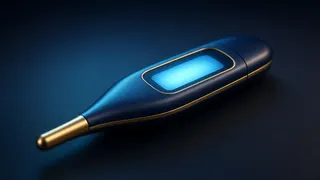
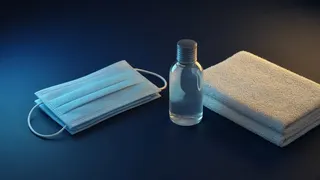
Wash, protect, check, report.




06Key points at a glance
| Topic | In brief |
|---|---|
 Head injury | When platelets are low, a knock to the head needs urgent assessment. |
 Movement | Walking safely keeps strength and balance. |
 Neutrophils | The first defence against infection; when they are low, hygiene matters most. |
 Platelets | Help blood clot; when they are low, protect yourself from injury. |
07Key terms
- Neuropathy
- Nerve damage causing numbness.
- Balance
- The ability to keep the body upright.
- ANC
- Absolute neutrophil count.
- Thrombocytopenia
- A low platelet count.
08Key points
- Clear the way.
- Handrail.
- Tell us.
- Wash your hands.
- 38 °C: call.
09Frequently asked questions
Can I go for walks?
Yes, as you are able, ideally with someone.
I fell but it does not hurt.
If your platelets are low, tell us anyway.
What should I watch every day?
Temperature, bleeding, tiredness and the catheter site; tell your team about any change.
10Questions for your doctor
Take these questions to your appointment. The ones you save are collected on the “My questions” page and stay on this device only.
Can I go for walks?
I fell but it does not hurt.
What should I watch every day?
12Sources
- National Cancer Institute. Infection and Neutropenia during Cancer Treatment
- National Cancer Institute. Bleeding and Bruising (Thrombocytopenia) and Cancer Treatment
- National Cancer Institute. Anemia and Cancer Treatment
- World Health Organization. World Hand Hygiene Day
- American Cancer Society. How to Keep Your Home Clean When Living With Cancer
- U.S. Environmental Protection Agency (EPA). A Brief Guide to Mold, Moisture and Your Home
- NHS. Shortness of breath
- Macmillan Cancer Support. Breathlessness
- Cancer Research UK. Breathing problems with cancer
- MedlinePlus (U.S. National Library of Medicine). Using an incentive spirometer