← Back
59 / 60 topics ready
Diagnosis and tests
What blood counts, bone marrow tests, flow cytometry and genetic tests mean. Choose a topic — each one opens on its own page.
 How a diagnosis is madeA leukemia diagnosis is not made in a single moment: it begins with a suspicion and becomes precise as the results of…
 Diagnosis step by stepWhen leukemia is suspected, people often do not know what will happen next: which doctor to see, which tests there…
 The doctor's examinationWhen leukemia is suspected, the first and simplest step is a conversation with a doctor and a physical examination.…
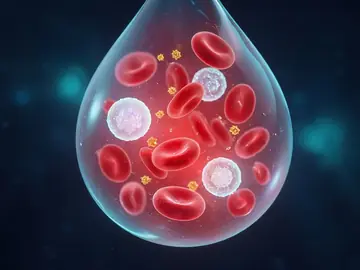 What is a blood testOn the road to a leukemia diagnosis, almost everything starts with an ordinary blood test — and during treatment it…In the article: Complete blood count (CBC)
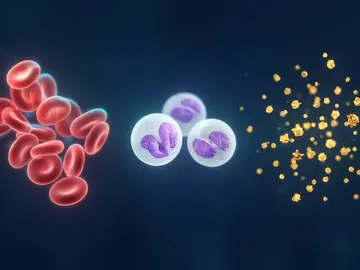 Complete blood count (CBC)On the road to a leukemia diagnosis, almost everything starts with an ordinary blood test — and during treatment it…
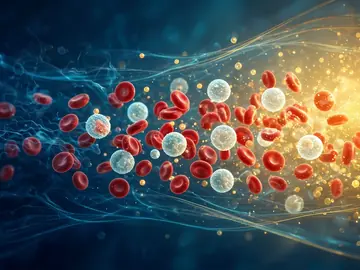 Red blood cells, hemoglobin, hematocritOn the road to a leukemia diagnosis, almost everything starts with an ordinary blood test — and during treatment it…In the article: Complete blood count (CBC)
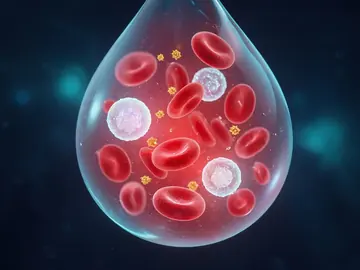 White blood cells and the differentialOn the road to a leukemia diagnosis, almost everything starts with an ordinary blood test — and during treatment it…In the article: Complete blood count (CBC)
- PlateletsOn the road to a leukemia diagnosis, almost everything starts with an ordinary blood test — and during treatment it…In the article: Complete blood count (CBC)
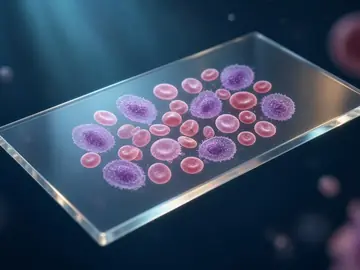 Blood smearThe numbers from an analyser tell a lot, but they do not show what the cells look like. For that there is an old but…
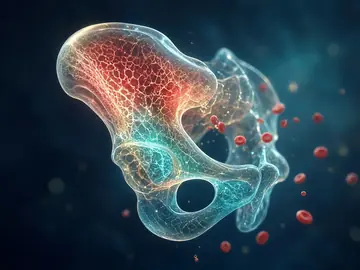 Why the bone marrow is examinedHearing “we need to take a bone marrow sample” frightens many people. Yet the procedure is short, is done under local…In the article: Bone marrow aspiration and biopsy
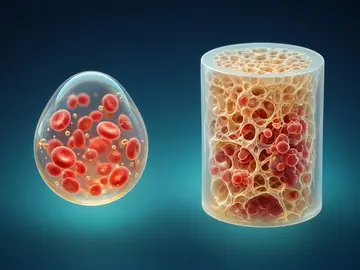 Bone marrow aspirationHearing “we need to take a bone marrow sample” frightens many people. Yet the procedure is short, is done under local…
 Bone marrow biopsyHearing “we need to take a bone marrow sample” frightens many people. Yet the procedure is short, is done under local…In the article: Bone marrow aspiration and biopsy
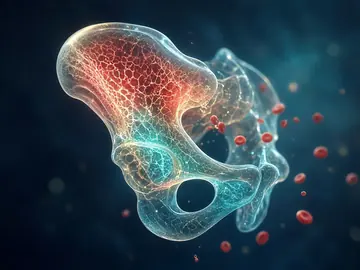 Preparing for a bone marrow testHearing “we need to take a bone marrow sample” frightens many people. Yet the procedure is short, is done under local…In the article: Bone marrow aspiration and biopsy
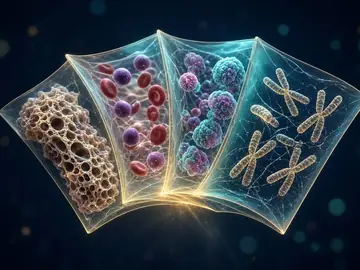 How to read a bone marrow reportA bone marrow report is often a long document full of terms: cellularity, myelogram, blast percentage, fibrosis…
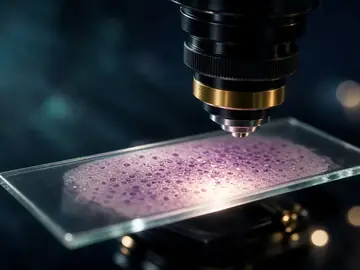 Looking at cells under the microscopeThe related article (“Blood smear”) lists the steps of diagnosis. This topic looks closely at one step: how blood and…
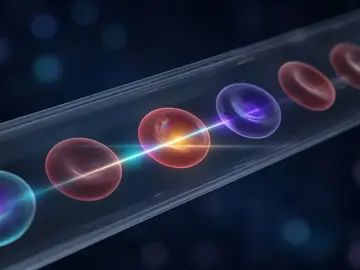 Flow cytometryThe related article (“Flow cytometry (immunophenotyping)”) explains blood tests. This topic looks closely at one of…
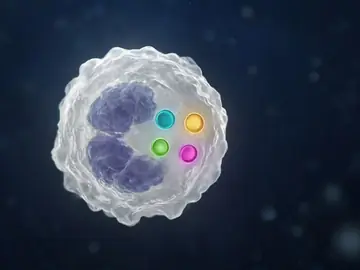 ImmunophenotypeThe related article (“Flow cytometry (immunophenotyping)”) explains blood tests. This topic looks closely at the…
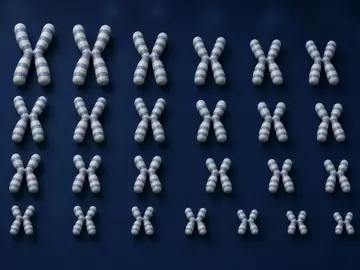 CytogeneticsThe related article (“Cytogenetics: karyotype and FISH”) explains the blood count. This topic is about cytogenetics…
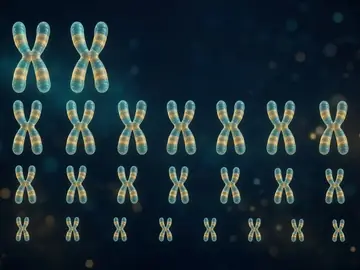 KaryotypeThe related article (“Cytogenetics: karyotype and FISH”) explains the blood count. This topic looks closely at the…
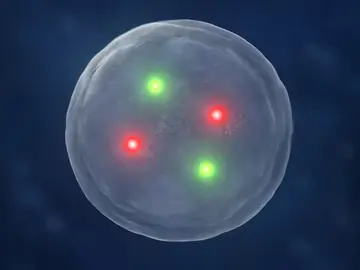 FISHThe related article (“Cytogenetics: karyotype and FISH”) explains the blood count. This topic looks closely at…
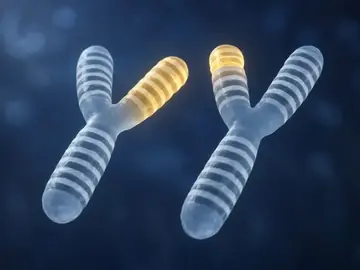 Molecular testsThe related article (“Molecular tests: PCR and NGS”) explains part of the blood count. This topic looks closely at…
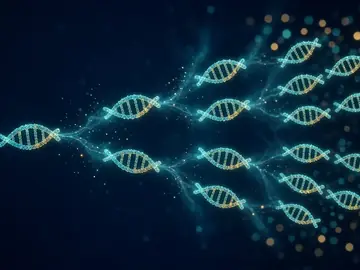 PCRThe related article (“Molecular tests: PCR and NGS”) explains part of the blood count. This topic looks closely at…
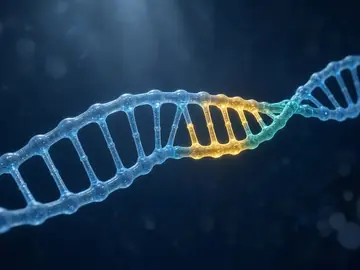 DNA and mutationsThe related article (“Molecular tests: PCR and NGS”) explains part of the blood count. This topic explains what DNA…
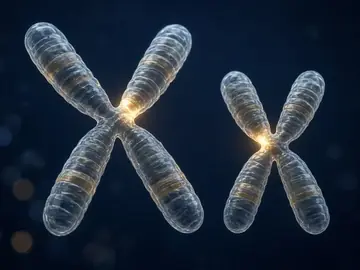 BCR::ABL1 and the Philadelphia chromosomeThe related article (“CML: symptoms, phases and diagnosis”) explains bone marrow aspiration. This topic looks closely…
 Other genetic changesThe Philadelphia chromosome is the best-known genetic change in leukemia, but far from the only one. Reports may…
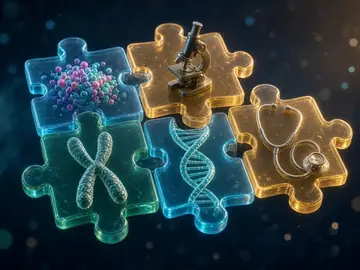 How results are read togetherThe related article (“Biomarkers: CD markers, genetic markers and MRD”) explains how types of leukaemia are…
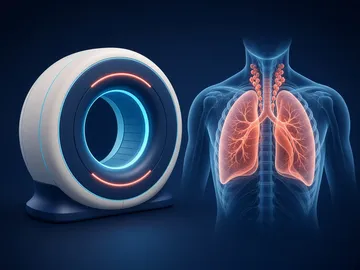 ImagingWhen an X-ray, ultrasound, CT, MRI or PET scan is ordered for someone with leukemia, people often ask: “Will they see…
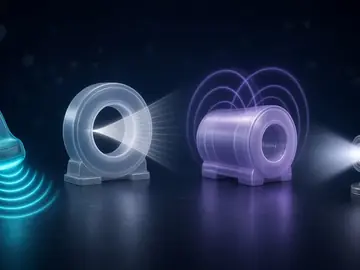 Ultrasound, CT, MRI, PETFour abbreviations, four different methods. One uses sound waves, one X-rays, one a magnet and one a small amount of…
 Lumbar puncture and cerebrospinal fluidThe related article (“ALL: symptoms and diagnosis”) explains the blood smear. This topic looks closely at the…
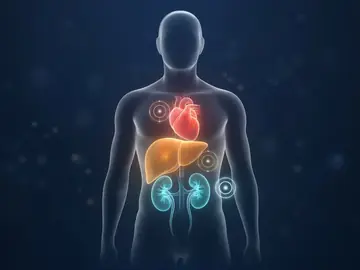 Heart, liver and kidneysBefore leukemia treatment starts and throughout it, doctors look not only at the blood cells but also at the heart…
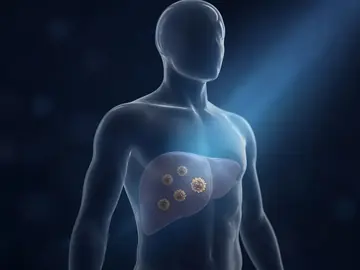 Infection and virus testsLeukemia and its treatment weaken the immune system. So doctors look for infection twice: before treatment, to find…
 When the results are readyOne of the hardest feelings during diagnosis is waiting. Some results arrive within hours, others take weeks. This…
 Reading your results with your doctorThe related article (“How to read my test results”) explains white cells and the differential. This topic shows, in…
 Second opinionA second opinion means another specialist reviews your diagnosis and treatment plan. In rare and complex illnesses…
 Characterising the disease after diagnosisThe word “leukemia” is only the beginning. Once the diagnosis is made, doctors complete it with several features…
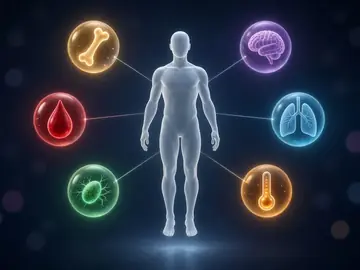 Symptom map by typeDifferent types of leukemia cause similar but not identical signs. This topic brings all the main types together on…
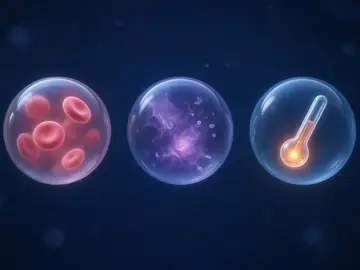 Symptoms of AMLThe related article (“AML: symptoms and diagnosis”) explains platelets. This topic looks closely at the symptoms of…
 Symptoms of ALLThe related article (“ALL: symptoms and diagnosis”) explains the blood smear. This topic looks closely at the…
 Symptoms of APL and emergency featuresThe related article (“APL: symptoms, emergency signs and diagnosis”) explains why the bone marrow is examined. This…
 Symptoms of CMLThe related article (“CML: symptoms, phases and diagnosis”) explains bone marrow aspiration. This topic looks closely…
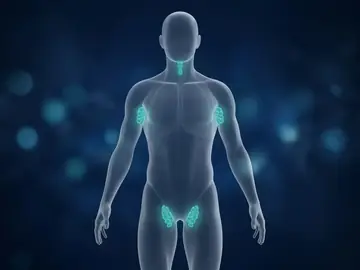 Symptoms of CLLThe related article (“CLL: symptoms, diagnosis and staging”) explains bone marrow biopsy. This topic looks closely at…
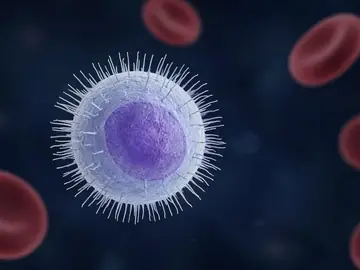 Symptoms of hairy cell leukemiaThe related article (“Hairy cell leukemia: symptoms and diagnosis”) explains how to prepare for a bone marrow test.…
 Symptoms in adultsIn adults, the signs of leukemia often look like ordinary tiredness, a cold or stress. This topic explains calmly and…
 How it differs from other illnessesTiredness, fever, bruising and swollen lymph nodes occur in many illnesses. This topic covers the main conditions…
 Which signs need urgent assessmentWith leukemia, some signs cannot wait. This topic explains when to seek help straight away, why time matters and how…
 Symptom → test → diagnosisThe path from the first suspicion to an exact diagnosis has several steps. This topic shows, in order, which test is…
 How AML is diagnosedThe related article (“AML: symptoms and diagnosis”) explains platelets. This topic shows, step by step, the whole…
 How ALL is diagnosedThe related article (“ALL: symptoms and diagnosis”) explains the blood smear. This topic shows the path to an ALL…
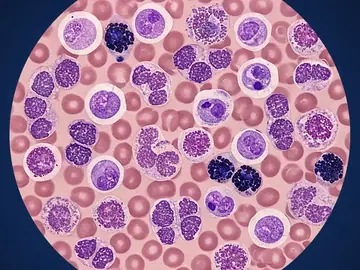 How APL is diagnosedThe related article (“APL: symptoms, emergency signs and diagnosis”) explains why the bone marrow is examined. This…
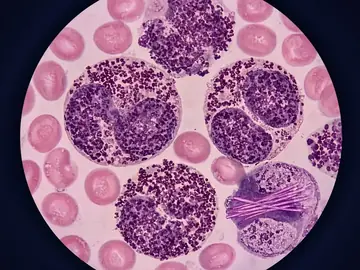 How CML is diagnosedThe related article (“CML: symptoms, phases and diagnosis”) explains bone marrow aspiration. This topic shows the…
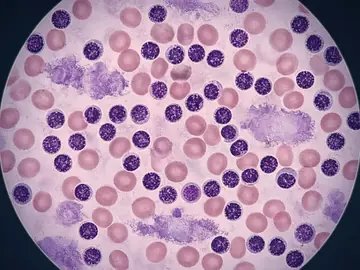 How CLL is diagnosedThe related article (“CLL: symptoms, diagnosis and staging”) explains bone marrow biopsy. This topic covers what is…
 How hairy cell leukemia is diagnosedThe related article (“Hairy cell leukemia: symptoms and diagnosis”) explains how to prepare for a bone marrow test.…
 How subtypes are identified“AML”, “B-ALL”, “M2”, “t(9;22)”: all these words in discharge summaries describe the leukemia subtype. This topic…
 How genetics changes the typeTwo leukemias with the same name can be very different genetically. This topic explains how genetic changes in…
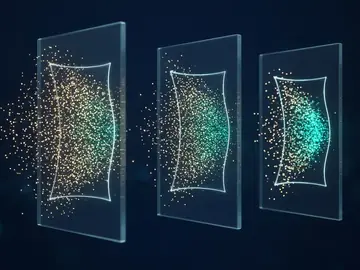 How flow cytometry shows the typeThe related article (“Flow cytometry (immunophenotyping)”) explains blood tests. This topic shows, step by step, how…
 What the bone marrow test tells usThe related article (“Bone marrow aspiration and biopsy”) explains the doctor’s examination. This topic brings…
 Where molecular tests matter mostThe related article (“Molecular tests: PCR and NGS”) explains genetic tests in general. This topic shows which…
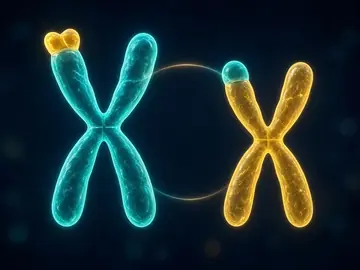 What the Philadelphia chromosome meansThe related article (“CML: symptoms, phases and diagnosis”) explains chromosome tests. This topic focuses on one…
 Diagnosis summary mapDiagnosis brings many tests, terms and results. This topic gathers them on one map: what each part shows and how it…
No matching topics