← Back
119 / 125 topics ready
Treatment and the treatment process
General information about treatments — your personal plan comes from your care team. Choose a topic — each one opens on its own page.
 How leukemia is treatedAfter a leukemia diagnosis, the most common question is: “What happens now?” A treatment plan is not chosen at…In the article: How is a treatment plan made?
 Goals of treatmentAfter a leukemia diagnosis, the most common question is: “What happens now?” A treatment plan is not chosen at…In the article: How is a treatment plan made?
 How the plan is madeAfter a leukemia diagnosis, the most common question is: “What happens now?” A treatment plan is not chosen at…
 What influences the decisionAfter a leukemia diagnosis, the most common question is: “What happens now?” A treatment plan is not chosen at…In the article: How is a treatment plan made?
- The treatment teamAfter a leukemia diagnosis, the most common question is: “What happens now?” A treatment plan is not chosen at…In the article: How is a treatment plan made?
 Why venous access is neededLeukemia treatment lasts for months, and during this time many drips, blood transfusions and blood tests are needed.…In the article: Catheters, PICC lines and ports
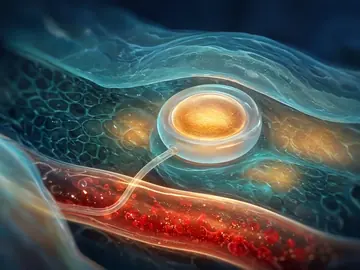 What is a PICC lineLeukemia treatment lasts for months, and during this time many drips, blood transfusions and blood tests are needed.…In the article: Catheters, PICC lines and ports
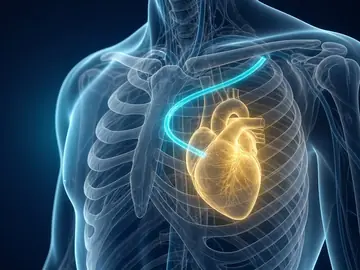 Central venous catheterA central venous catheter is a thin tube whose tip sits in a large vein near the heart; during months of treatment it…
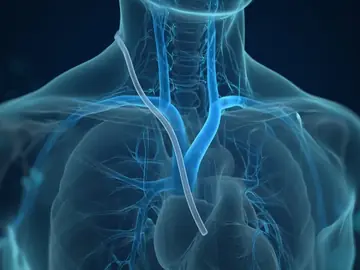 Catheter through the neckFor chemotherapy, transfusions and frequent blood tests, a catheter is often placed in a large vein. This topic…
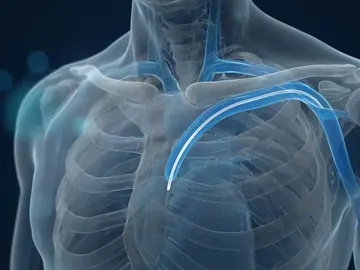 Catheter through the chestWhen treatment lasts for months, longer-lasting venous access is needed. This topic covers the two main types placed…
 What is a portA port is a small chamber placed under the skin; its tube runs into a large vein and nothing shows on the outside.
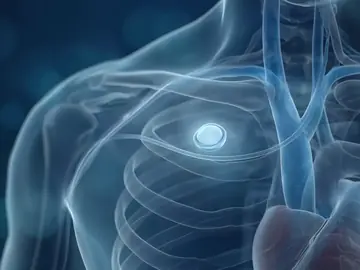 How a port is usedA port is accessed with a special angled needle under sterile conditions; it is quick and usually only mildly…
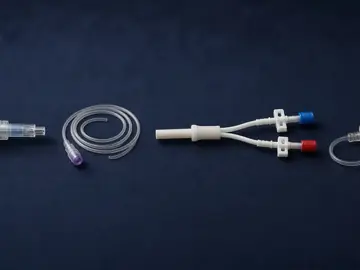 Which access for which situationVenous access comes in several forms: an ordinary cannula in the arm, a PICC line, a neck catheter, a tunnelled chest…
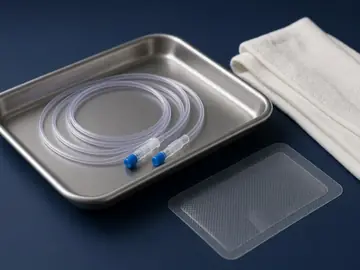 Access for long-term treatmentWhen treatment lasts for months, venous access becomes part of daily life. This topic explains how to live safely…
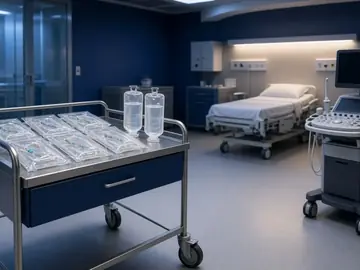 Emergency venous accessIn sepsis, heavy bleeding or severe dehydration, medicines must be given within minutes. This topic explains how…
 Protecting the catheter and portProtecting a catheter or port every day lowers the risk of infection and damage.
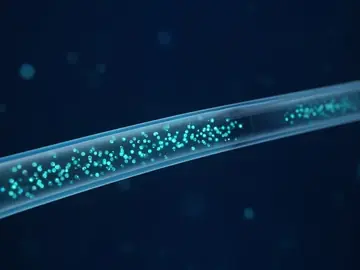 Signs of a catheter infectionA catheter infection can be local (at the exit site) or in the blood; the second needs urgent treatment.
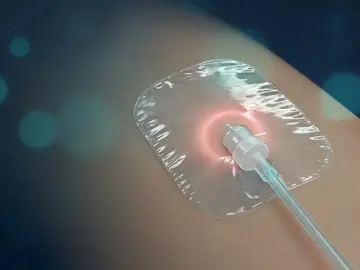 Blockage, pain and swellingA line can block, a clot can form in the vein, or the catheter can move; all of these are treated promptly.
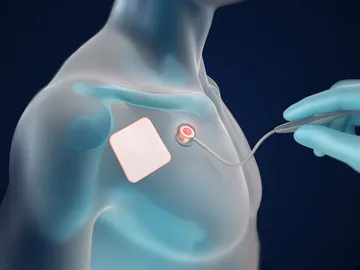 Removing the access deviceWhen treatment ends or a problem arises, a catheter or port is removed; your team decides.
 Treatment of AMLAcute myeloid leukemia (AML) develops quickly, and treatment usually starts without delay. This topic explains the…
 AML subtypesAcute myeloid leukemia (AML) is not a single disease but a group of many subtypes. This topic explains how the…
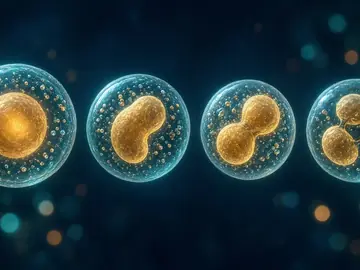 Treatment of APLAcute promyelocytic leukemia (APL) is a special subtype of AML. Its treatment is completely different from other AML…
 Treatment of ALLAcute lymphoblastic leukemia (ALL) is the most common leukemia in children, but it also occurs in adults. This topic…
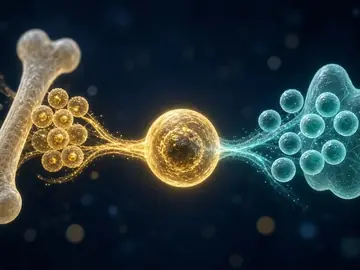 B-ALL and T-ALL: the differenceAcute lymphoblastic leukemia is divided into two main types: B-cell (B-ALL) and T-cell (T-ALL). This topic explains…
 Treatment of CMLTreatment for chronic myeloid leukemia (CML) has changed perhaps more than any other in the last 25 years: most…
 CML and tyrosine kinase inhibitorsTyrosine kinase inhibitors (TKIs) are targeted drugs that transformed CML treatment. This topic explains how they…
 Treatment of CLLChronic lymphocytic leukemia (CLL) often develops slowly. This topic explains when treatment starts and the modern…
 Treatment of hairy cell leukemiaHairy cell leukemia (HCL) is a rare, slow-growing B-cell leukemia. It is named after the fine "hairs" seen on the…
 Treatment in childrenLeukemia is the most common cancer in children. The good news is that treating childhood leukemia is one of…
 Treatment in adultsLeukemia treatment in adults differs from that in children: the types of leukemia, genetics, other illnesses and life…
 Treatment of relapseAfter a relapse, treatment is planned afresh; there are often several options.
 Leukemia that does not respond to treatmentSometimes leukemia does not respond to the first treatment as expected. This is called refractory leukemia. This…
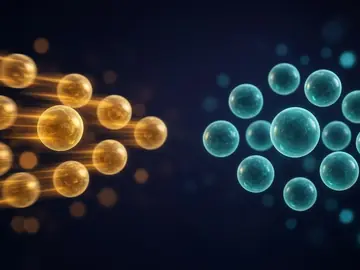 What is chemotherapyChemotherapy is a group of medicines that destroy fast-dividing cells; it is one of the main treatments for leukaemia.
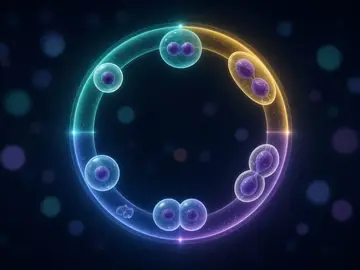 How chemotherapy worksChemotherapy medicines act on a cell’s DNA or its division machinery; the cell cannot divide and dies.
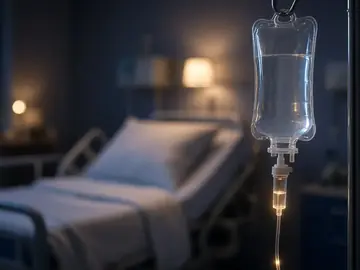 How chemotherapy is givenChemotherapy can be given into a vein, by mouth, under the skin or into the spinal fluid; the route depends on the…
 What is a treatment cycleA course (cycle) is a run of treatment days followed by a recovery break; leukaemia treatment can have several phases.
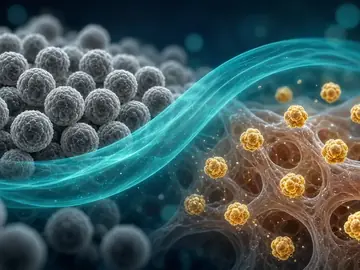 InductionInduction is the first and most intensive phase of treatment for acute leukemia. This topic explains its goal, how it…
 ConsolidationConsolidation is the phase after remission. Its goal is to destroy leukemia cells that cannot be seen in tests but…
 Maintenance therapyMaintenance therapy is the longest but gentlest phase of ALL treatment. It is usually carried out at home and is very…
 Combination chemotherapyIn leukemia treatment, chemotherapy is almost always given as a combination of several drugs. This topic explains why.
 Intrathecal chemotherapyIntrathecal chemotherapy means giving a drug by lumbar puncture directly into the fluid around the spinal cord and…
 Main groups of medicinesSeveral groups of medicines are used to treat leukaemia; each works in a different way.
 Cytarabine and cytostatic drugsCytostatic drugs stop cells from dividing. Among them, cytarabine is one of the most important drugs for treating…
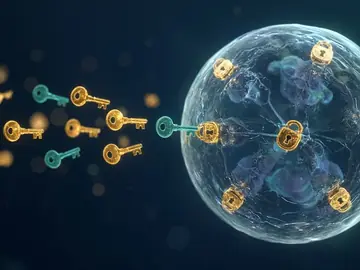 AntimetabolitesAntimetabolites are drugs that mimic substances the cell itself needs. They are one of the most widely used drug…
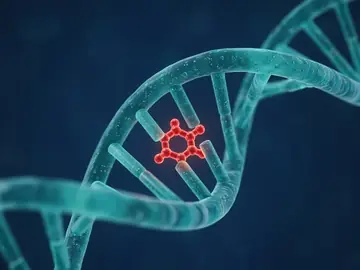 AnthracyclinesAnthracyclines are among the strongest and most widely used chemotherapy drugs in leukemia. Many of them are red.
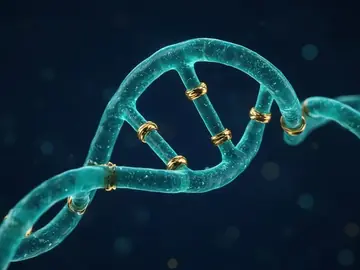 Alkylating agentsAlkylating agents are one of the oldest groups of chemotherapy. In leukemia they are used in ALL protocols, in CLL…
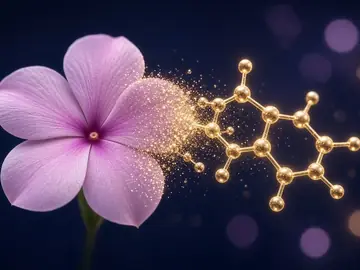 Vinca alkaloidsVinca alkaloids are drugs originally obtained from the Madagascar periwinkle plant. The best known, vincristine, is…
 SteroidsSteroids (corticosteroids) are among the main drugs in leukemia treatment, especially ALL. They act on leukemia cells…
 Targeted drugsTargeted medicines block a specific change that drives the leukaemia cell.Also:Targeted therapy
 ImmunotherapyImmunotherapy directs your own immune system to recognise and destroy leukaemia cells.
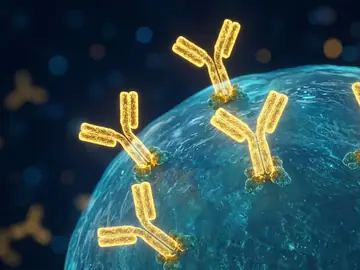 Monoclonal antibodiesMonoclonal antibodies are laboratory-made proteins that stick to a specific marker on the surface of the leukaemia cell.
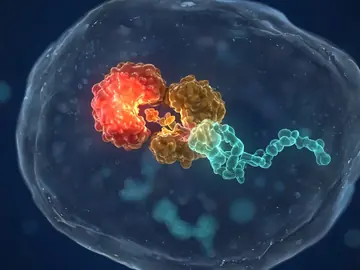 Tyrosine kinase inhibitorsTyrosine kinase inhibitors (TKIs) are tablets that switch off a growth signal stuck "on"; they transformed CML…
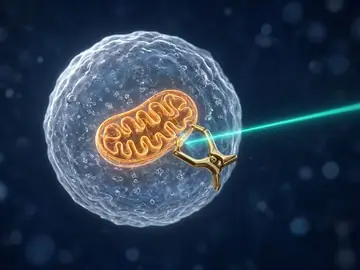 BCL-2 and other targetsTargeted drugs act on specific weak points of leukemia cells. This topic explains the BCL-2 inhibitor venetoclax and…
 Choosing a drug and geneticsThe genetics of the leukaemia cell show both the risk and which medicine is likely to work.
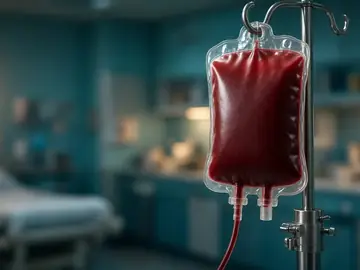 Blood and platelet transfusionsRed cell and platelet transfusions are often needed during leukaemia treatment; this is routine supportive care.
 AntibioticsLeukemia and its treatment weaken the body’s defences against infection. Antibiotics are an integral part of care…
 Antiviral medicinesDuring leukemia treatment, some viruses — especially those "sleeping" in the body — can become active again.…
 Antifungal medicinesDuring prolonged neutropenia, fungal infections — especially moulds — can be severe. Antifungal medicines prevent and…
 Anti-sickness medicinesChemotherapy can cause nausea and vomiting. Modern anti-sickness (antiemetic) medicines usually prevent this reliably.
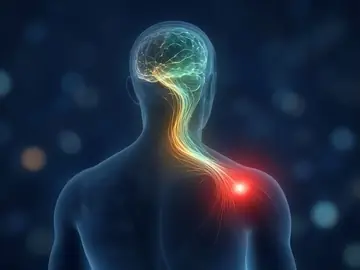 Pain controlPain can happen with leukemia and its treatment. It can be assessed and, in most cases, well controlled.
 Treating fever and infectionWith neutropenia and fever, minutes count; this article explains what happens in hospital.
 Electrolytes and fluidsThe balance of water and salts (electrolytes) in the body matters for the heart, muscles, nerves and kidneys. It is…
 Intravenous fluidsIntravenous (IV) fluids are solutions of water, salts and sugar dripped into a vein. They are used very often in…
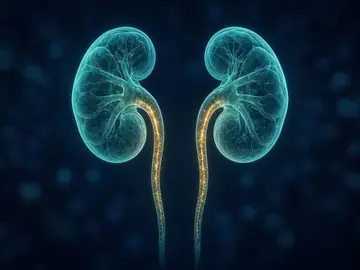 Monitoring urineThe amount, colour and content of urine say a lot about kidney function and the body’s fluid balance. During…
 DiureticsDiuretics are medicines that help the kidneys remove extra water and salt. In leukemia treatment they are used mainly…
 Tumor lysis syndromeWhen treatment destroys many leukemia cells in a short time, their contents enter the blood. This can strain the…
 Uric acidUric acid is a substance made when cells break down. Its level is watched closely at the start of leukemia treatment.
 Protecting the kidneysIn leukemia treatment many medicines pass through the kidneys and can strain them. The team takes a few simple but…
 Monitoring the liverThe liver processes many leukemia medicines. During treatment its function is checked regularly with blood tests.
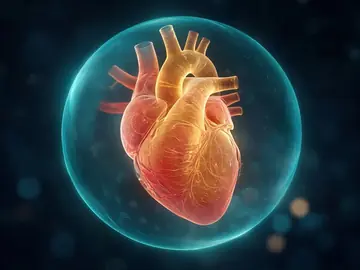 Monitoring the heartSome leukemia medicines can affect the heart. Checking the heart before and during treatment helps spot risks early.
 Supporting blood count recoveryAfter a course, blood counts recover on their own; your team helps you through this period safely.
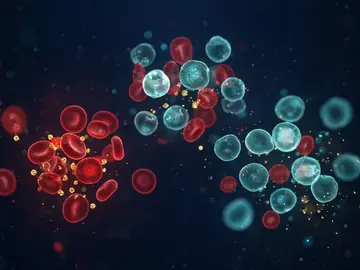 Laboratory monitoringBlood tests are done often throughout leukemia treatment. They show whether treatment is safe and working.
 The logic of targeted therapyTargeted therapy starts with a question: what drives this leukaemia cell, and how can it be switched off?
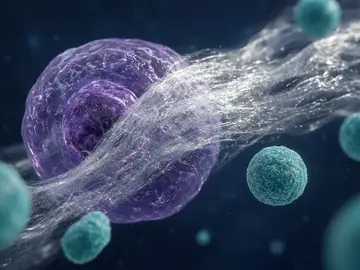 The logic of immunotherapyLeukaemia cells can "hide" from the immune system; immunotherapy makes them visible again.
 Antibodies in practiceThis article walks through a day of antibody treatment step by step.
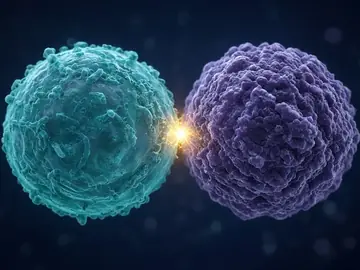 What is CAR-TCAR-T is a "living medicine" made from your own T cells.
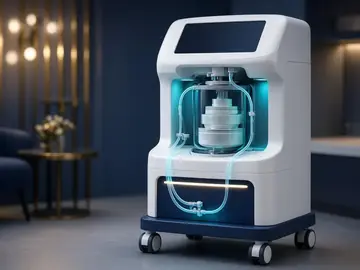 How CAR-T cells are madeMaking CAR-T takes several weeks and needs careful coordination.
 Stages of CAR-T therapyCAR-T treatment passes through several stages, from assessment to long-term follow-up.
 Risks of CAR-TCAR-T is a powerful treatment; its particular risks are well known and treated early.
 What is a transplantA stem cell transplant replaces diseased or damaged bone marrow with new blood-forming cells.Also:Stem cell transplant
 Autologous transplantIn an autologous transplant your own stem cells are collected, stored and returned after high-dose treatment.
 Allogeneic transplantIn an allogeneic transplant the stem cells come from a donor: a brother, sister, parent or registry volunteer.
 Donor matchingThe most important factor in choosing a donor is HLA matching, the immune system’s "identity card".
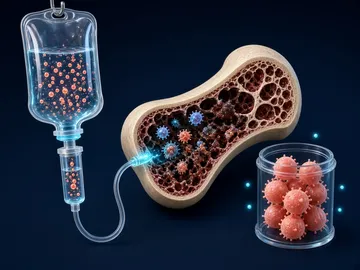 ConditioningConditioning is the strong treatment given in the days before a transplant.
 Transplant dayTransplant day — "day zero" — is when stem cells are given into a vein. It is like an ordinary blood transfusion and…
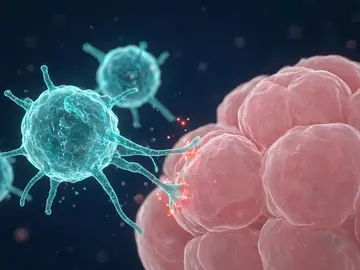 Graft-versus-host disease (GVHD)Graft-versus-host disease (GVHD) happens when the donor’s immune cells see the recipient’s tissues as "foreign". It…
 Recovery after a transplantRecovery after a transplant comes in stages: first blood counts, then immunity, then strength.
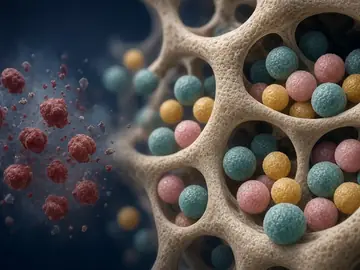 Response to treatmentAt set points in treatment, doctors check how the leukemia is responding. These results guide the next steps.
 RemissionRemission means the symptoms of leukaemia and the leukaemia cells visible under the microscope have gone.
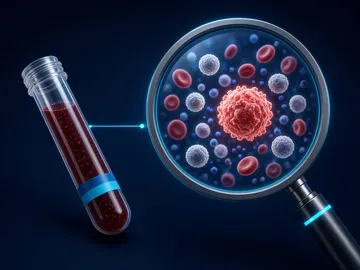 MRD (measurable residual disease)MRD measures the tiny number of leukaemia cells left in remission that cannot be seen under the microscope.
 Tests after treatmentOnce main treatment ends, regular follow-up begins. Its aim is to protect your health and to spot any return of the…
 RelapseA relapse is the return of leukaemia after remission; it may be found in the blood, the marrow or, rarely, other…
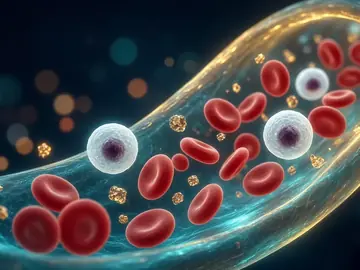 What happens at relapseRelapse is the return of leukemia after remission. When it happens, the team reassesses the situation and builds a…
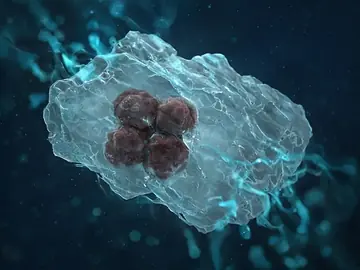 Refractory leukemiaSometimes leukemia doesn’t respond to first treatment as expected. This is called refractory, or resistant, leukemia…
 How the next option is chosenIn relapsed or resistant leukemia, the next treatment is chosen together — based on medical information and on your…
 Treatment path mapLeukemia treatment is a journey with several phases. Knowing the overall map helps you understand what to expect.
 What is intensive careIntensive care (the ICU) is a unit with constant monitoring for when organs need support.
 Other health conditions: the general ruleLeukaemia is often found in people who already live with another long-term condition. This does not make treatment…
 Your full medication list and interactionsDuring leukaemia treatment, a complete list of all your medicines is one of the simplest and most important safety…
 Leukemia + heart failurePeople with heart failure can also receive leukaemia treatment; the heart is simply watched more closely.
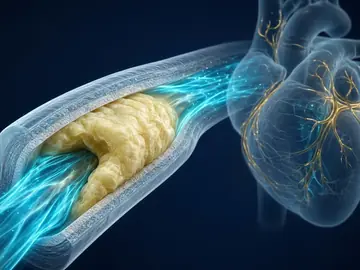 Leukemia + ischemia and heart attackA past heart attack or coronary heart disease does not rule out leukaemia treatment, but it needs special care.
 Leukemia + arrhythmiaIf you have a heart rhythm problem (arrhythmia), ECGs may be done more often during leukaemia treatment.
 Leukemia + high blood pressureHigh blood pressure is common and usually does not stand in the way of leukaemia treatment.
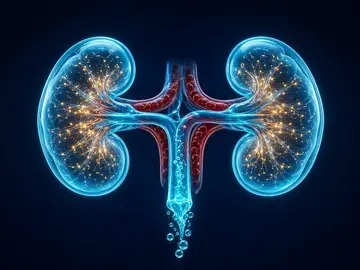 Leukemia + chronic kidney diseaseThe kidneys clear many medicines, so in chronic kidney disease the choice of medicines and doses is adjusted.
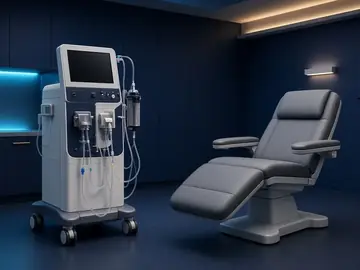 Leukemia + dialysisPeople on dialysis can also receive leukaemia treatment; the two teams coordinate schedules and medicines.
 Leukemia + type 1 diabetesIn type 1 diabetes insulin is essential; during leukaemia treatment only your team adjusts how much you take.
 Leukemia + type 2 diabetesType 2 diabetes often occurs alongside leukaemia and is watched more closely during treatment.
 Steroids and blood sugarSteroids (for example dexamethasone, prednisolone) are part of many leukaemia treatments and can raise blood sugar…
 Leukemia + COPD and asthmaWith COPD or asthma, lung infections and breathlessness are watched especially closely during leukaemia treatment.
 Leukemia + liver diseaseThe liver processes many medicines, so treatment is chosen especially carefully when you have liver disease.
 Leukemia + hepatitisTesting for hepatitis B and C viruses is often standard before leukaemia treatment.
 Leukemia + hypothyroidismHypothyroidism (an underactive thyroid) usually does not stand in the way of leukaemia treatment, but it is monitored.
 Leukemia + osteoporosisOsteoporosis is weakening of the bones; during leukaemia treatment, especially long steroid courses, bones need…
 Leukemia + epilepsyWith epilepsy, interactions with seizure medicines get special attention during leukaemia treatment.
 Leukemia + autoimmune diseaseAutoimmune diseases such as rheumatoid arthritis, lupus, inflammatory bowel disease or psoriasis are managed jointly…
 Leukemia + mouth and dental problemsA dental check before treatment can help reduce mouth infections and bleeding.
 Leukemia + depression or anxietyPeople with depression or an anxiety disorder deserve extra support during leukaemia treatment.
 Leukemia + eye diseaseEye diseases such as glaucoma, cataract or diabetic retinopathy are taken into account during leukaemia treatment.
 Which chronic condition do I have?If you have another chronic illness alongside leukaemia, find the right topic in the table below.
No matching topics