Hospital bag: ready in advance
Urgent hospital admission is common with leukemia, whether for fever, bleeding or planned treatment. A bag packed in advance saves time and stress.

01Short answer
02Simple explanation
Documents and medicine list.
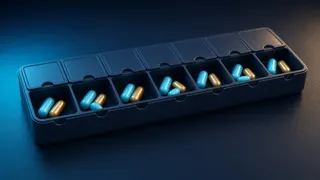
Your own medicines.
Gentle toiletries.
A long charging cable.
03Scientific explanation
NCI: fever during neutropenia needs urgent attention; being prepared helps avoid delays.
NCI: chemotherapy can lower neutrophils, platelets and red cells, which raises the risk of infection, bleeding and fatigue.
04What happens in the body?
Medicine list
Emergency doctors need to know your medicines.

Children
A favourite washable toy and games.
Neutrophils
The first defence against infection; when they are low, hygiene matters most.
Platelets
Help blood clot; when they are low, protect yourself from injury.
05Daily protection: four steps
Wash, protect, check, report.





06Key points at a glance
| Topic | In brief |
|---|---|
 Medicine list | Emergency doctors need to know your medicines. |
 Children | A favourite washable toy and games. |
 Neutrophils | The first defence against infection; when they are low, hygiene matters most. |
 Platelets | Help blood clot; when they are low, protect yourself from injury. |
07Key terms
- Discharge summary
- A written summary of previous treatment.
- Allergy list
- Medicines that caused a reaction.
- ANC
- Absolute neutrophil count.
- Thrombocytopenia
- A low platelet count.
08Key points
- Documents.
- Medicines.
- Keep it ready.
- Wash your hands.
- 38 °C: call.
09Frequently asked questions
Should I pack food?
Sealed, safe snacks, following the rules (“Handwashing: the simplest protection” and “Eggs and dairy: safe choices”).
Valuables?
Leave them at home.
What should I watch every day?
Temperature, bleeding, tiredness and the catheter site; tell your team about any change.
10Questions for your doctor
Take these questions to your appointment. The ones you save are collected on the “My questions” page and stay on this device only.
Should I pack food?
Valuables?
What should I watch every day?
12Sources
- National Cancer Institute. Infection and Neutropenia during Cancer Treatment
- National Cancer Institute. Bleeding and Bruising (Thrombocytopenia) and Cancer Treatment
- National Cancer Institute. Anemia and Cancer Treatment
- World Health Organization. World Hand Hygiene Day
- NHS. Loneliness
- National Cancer Institute (NCI). Feelings and Cancer
- National Cancer Institute (NCI). Support for Families When Someone Has Cancer
- National Cancer Institute (NCI). Adjusting to Cancer
- National Cancer Institute (NCI). Managing Costs and Medical Information
- National Cancer Institute (NCI). Adolescents and Young Adults with Cancer