What is leukemia?
Leukemia is a disease of the blood-forming system. The short answer is simple, but there is a whole process behind it. Here we explain it calmly, step by step.

01Short answer
02Simple explanation
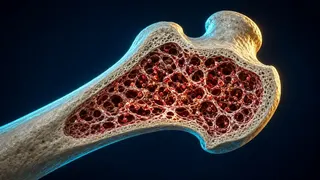
Your blood is renewed all the time. The work happens in the bone marrow, the soft tissue inside bones.
In leukemia one blood-forming cell picks up a “faulty” programme and makes many copies of itself. These copies cannot do their job.
As a result there are too few healthy cells: the ones that carry oxygen, fight infection and stop bleeding.
03Scientific explanation
Leukemia is a clonal disease of haematopoietic stem or progenitor cells: somatic genetic changes accumulate in one cell and its descendants gain an advantage.
Which lineage is affected (myeloid or lymphoid) and how fast it behaves (acute or chronic) define the four main types: AML, ALL, CML and CLL.
The diagnosis is made with blood tests, bone marrow examination, flow cytometry and genetic tests.
04What happens in the body?
How blood is made
In the bone marrow, stem cells divide and mature into three main kinds of blood cell: red cells carry oxygen, white cells fight infection and platelets stop bleeding. In a healthy body this is tightly controlled.
What changes in leukemia
A change happens in the genes of one cell. That cell multiplies without maturing and its copies take up space in the marrow, so production of healthy cells falls.

What this leads to
Too few red cells cause tiredness and paleness; too few working white cells cause frequent infections; too few platelets cause easy bruising and bleeding. Depending on the type, symptoms develop quickly or slowly.

What matters today
Leukemia is not contagious. Most often the exact cause is unknown, and it is nobody’s fault. Modern treatment helps many people reach remission, and every plan is individual.
05From one cell to a disease
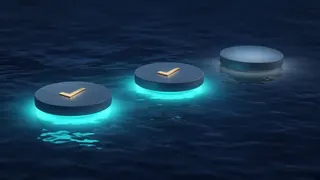
The development of leukemia can be pictured in four simple steps.



06Key points at a glance
| Topic | In brief |
|---|---|
 How blood is made | In the bone marrow, stem cells divide and mature into three main kinds of blood cell: red cells carry oxygen, white cells fight infection and platelets stop bleeding. In a healthy body this is tightly controlled. |
 What changes in leukemia | A change happens in the genes of one cell. That cell multiplies without maturing and its copies take up space in the marrow, so production of healthy cells falls. |
 What this leads to | Too few red cells cause tiredness and paleness; too few working white cells cause frequent infections; too few platelets cause easy bruising and bleeding. Depending on the type, symptoms develop quickly or slowly. |
 What matters today | Leukemia is not contagious. Most often the exact cause is unknown, and it is nobody’s fault. Modern treatment helps many people reach remission, and every plan is individual. |
07Key terms
- Bone marrow
- Soft tissue inside bones where blood cells are made.
- Blast
- An immature young blood cell.
- Clone
- A group of identical cells descended from one cell.
08Key points
- Leukemia is a cancer of blood-forming cells.
- It starts in the bone marrow.
- Symptoms come from a shortage of healthy blood cells.
- The type and genetics guide treatment.
09Frequently asked questions
Is leukemia a blood disease or a cancer?
Both: it is a cancer of blood-forming cells.
Can I protect myself against it?
Most often the exact cause is unknown, so there is no specific protection.
Does leukemia behave the same in everyone?
No. Type, age, genetics and response to treatment change the course a great deal.
10Questions for your doctor
Take these questions to your appointment. The ones you save are collected on the “My questions” page and stay on this device only.
Is leukemia a blood disease or a cancer?
Can I protect myself against it?
Does leukemia behave the same in everyone?
12Sources
- National Cancer Institute (NCI). Leukemia—Patient Version
- MedlinePlus (U.S. National Library of Medicine). Leukemia
- National Cancer Institute (NCI). What Is Cancer?
- NHS. Acute myeloid leukaemia
- National Cancer Institute (NCI). Common Cancer Myths and Misconceptions
- NHS (UK). Acute lymphoblastic leukaemia
- NHS (UK). Chronic lymphocytic leukaemia
- NHS (UK). Chronic myeloid leukaemia
- American Cancer Society. Risk Factors for Acute Myeloid Leukemia (AML)
- Cancer.Net (ASCO). Talking With Family and Friends