Why are cycles repeated
Many patients ask: isn’t one cycle enough? There is a reason cycles are repeated.

01Short answer
02Simple explanation
Each cycle removes a share of the leukemia cells.
The break lets healthy cells recover.
03Scientific explanation
Not all cells divide at the same time, and the drugs act mainly on dividing cells. Repeated cycles catch cells that start dividing later.
MRD results may be used to change the number and intensity of cycles.
04What happens in the body?
What the break is for
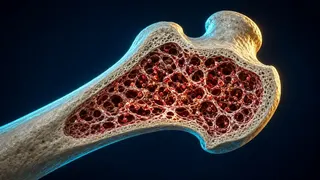
After a cycle blood counts fall, then the marrow recovers. The next cycle usually starts once neutrophils and platelets have risen to the required level.
The phases
Induction aims to reach remission, consolidation to strengthen it. Some types, such as ALL, also have a maintenance phase lasting years.

Delays
An infection or slow count recovery can postpone a cycle. This is for safety. Share your worries with the team.

05The cycle of treatment
Treatment and breaks alternate.




06Key points at a glance
| Topic | In brief |
|---|---|
 What the break is for | After a cycle blood counts fall, then the marrow recovers. The next cycle usually starts once neutrophils and platelets have risen to the required level. |
 The phases | Induction aims to reach remission, consolidation to strengthen it. Some types, such as ALL, also have a maintenance phase lasting years. |
 Delays | An infection or slow count recovery can postpone a cycle. This is for safety. Share your worries with the team. |
07Key terms
- Cycle
- A period of medicines followed by a break.
- Consolidation
- Cycles that strengthen remission.
- Recovery
- Blood counts rising again.
08Key points
- One cycle does not kill all cells.
- The break lets the marrow recover.
- Cycles come in phases.
- Delays are for safety.
09Frequently asked questions
How many cycles will I have?
It depends on the type, protocol and response; the doctor will explain the plan.
Can a cycle start earlier?
Starting before counts recover can be dangerous; the team decides.
10Questions for your doctor
Take these questions to your appointment. The ones you save are collected on the “My questions” page and stay on this device only.
How many cycles will I have?
Can a cycle start earlier?
12Sources
- National Cancer Institute (NCI). Chemotherapy to Treat Cancer
- NHS. Chemotherapy
- National Cancer Institute (NCI). Adult Acute Myeloid Leukemia Treatment (PDQ®) – Patient Version
- National Cancer Institute (NCI). Adult Acute Lymphoblastic Leukemia Treatment (PDQ®) – Patient Version
- National Cancer Institute (NCI). What Is Cancer?
- American Cancer Society. Risk Factors for Acute Myeloid Leukemia (AML)
- Cancer.Net (ASCO). Talking With Family and Friends
- NHS. High temperature (fever) in adults
- NHS. Stem cell and bone marrow transplants
- NHS. How to wash your hands