What is CAR-T
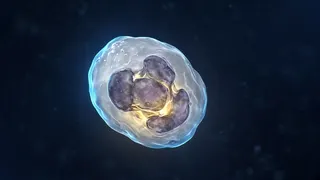
CAR-T is one of the newer leukemia treatments: the patient’s own immune cells are “trained” to recognise leukemia.

01Short answer
02Simple explanation
CAR-T is like giving your own T cells new “eyes”.
These “eyes” recognise leukemia cells.
03Scientific explanation
A CAR is a synthetic receptor that links an antigen-recognising part to T-cell activation signals.
The main side effects are cytokine release syndrome (CRS) and immune effector cell-associated neurotoxicity (ICANS); they are managed with specific medicines.
04What happens in the body?
How it is made
First comes leukapheresis, collecting T cells from the blood. The cells go to a manufacturing laboratory and are prepared over several weeks. “Bridging” treatment is sometimes given meanwhile.
The infusion
Short lymphodepleting chemotherapy is given first. Then the CAR-T cells are infused into a vein. Close monitoring is needed in the following weeks.

Who it suits
Criteria vary by country and centre. Talk with your haematologist about eligibility.

05The CAR-T journey
Four stages.



06Key points at a glance
| Topic | In brief |
|---|---|
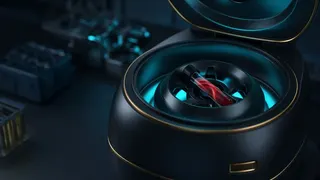 How it is made | First comes leukapheresis, collecting T cells from the blood. The cells go to a manufacturing laboratory and are prepared over several weeks. “Bridging” treatment is sometimes given meanwhile. |
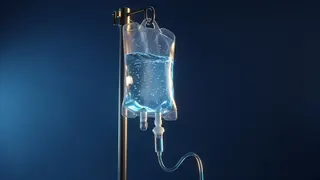 The infusion | Short lymphodepleting chemotherapy is given first. Then the CAR-T cells are infused into a vein. Close monitoring is needed in the following weeks. |
 Who it suits | Criteria vary by country and centre. Talk with your haematologist about eligibility. |
07Key terms
- T lymphocyte
- The attacking cell of the immune system.
- CAR
- A synthetic receptor that recognises a leukemia protein.
- CRS
- Cytokine release syndrome, a reaction that can bring fever and low blood pressure.
08Key points
- CAR-T is made from the patient’s own T cells.
- It recognises a leukemia protein.
- It is used mainly in relapsed B-ALL.
- Close monitoring matters.
09Frequently asked questions
Is CAR-T given once?
Usually as one infusion, but preparation and monitoring take weeks.
Does CAR-T replace chemotherapy?
In some cases it is an additional option, not a replacement for everyone.
10Questions for your doctor
Take these questions to your appointment. The ones you save are collected on the “My questions” page and stay on this device only.
Is CAR-T given once?
Does CAR-T replace chemotherapy?
12Sources
- National Cancer Institute (NCI). CAR T Cells: Engineering Patients’ Immune Cells to Treat Their Cancers
- National Cancer Institute (NCI). Adult Acute Lymphoblastic Leukemia Treatment (PDQ®) – Patient Version
- National Cancer Institute (NCI). Leukemia—Patient Version
- MedlinePlus (U.S. National Library of Medicine). Peripherally inserted central catheter - dressing change
- Cancer Research UK. Coping emotionally with cancer
- National Cancer Institute (NCI). When Someone You Love Is Being Treated for Cancer (booklet)
- MedlinePlus (U.S. National Library of Medicine). Histocompatibility antigen test
- National Cancer Institute (NCI). Managing Your Care
- Anthony Nolan. Understanding stem cell transplants
- MedlinePlus. Complete Blood Count (CBC)