Bones and osteoporosis
Steroids, inactivity, hormone changes and transplant can weaken bones. This topic explains loss of bone density, avascular necrosis and how to protect your bones.

01Short answer
02Simple explanation
Two main problems: osteoporosis and avascular necrosis.
The main cause is steroids.
Density is measured by DXA.
For joint pain — MRI.
What helps: movement, vitamin D, not smoking.
03Scientific explanation
Steroids: corticosteroids reduce bone formation and increase bone breakdown; the effect depends on dose and duration (MedlinePlus).
Avascular necrosis: in ALL treatment it is more common in children over 10 and teenagers after dexamethasone; according to NIAMS, MRI is the most sensitive method at an early stage.
DXA: the COG recommends a baseline DXA after treatment for people who received corticosteroids, head radiation or a transplant.
Vitamin D: the NIH notes that vitamin D is needed to absorb calcium; deficiency is found with a blood test, and any supplement dose is set by your doctor.
04What happens in the body?
Bone is living tissue
Bone is constantly renewed: old tissue is broken down and new bone is built. Steroids and inactivity upset this balance and the bone thins.
What does osteoporosis mean?
Bone density and strength fall, and the risk of fracture rises even with a small fall. Often there are no symptoms until a fracture.
Avascular necrosis
The blood supply to part of a bone is disrupted. The first sign is joint pain, especially when walking. Finding it early on MRI improves treatment options.

How is it checked?
DXA — a low-dose bone density test. For joint pain, MRI. Blood tests for vitamin D, calcium and sometimes hormones.
How to protect your bones
Walking, stairs and strength exercises build bone. Enough calcium and vitamin D (on your doctor’s advice), not smoking and preventing falls.

When to call your doctor
Worrying signs — fever, bleeding, new pain, breathlessness — should be reported to your doctor between visits too. Getting in touch early is always better than waiting.
05Strong bones
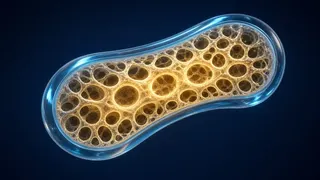
Steps to protect your bones.




06Bone risk and checks (simplified)
| Factor | Possible effect | Check |
|---|---|---|
| Steroids | Osteoporosis, avascular necrosis | DXA, MRI if painful |
| Transplant | Bone loss | DXA |
| Hormone deficiency | Bone loss | Hormone tests, DXA |
| Low vitamin D | Weak bones | Blood test |
| Inactivity | Bone and muscle loss | — |
* Your doctor sets the testing schedule.
07Key terms
- Osteoporosis
- Loss of bone density and strength.
- Osteopenia
- Mildly reduced bone density.
- Avascular necrosis
- Bone damage due to disrupted blood supply.
- DXA
- A low-dose test that measures bone density.
- Weight-bearing exercise
- Movement in which your legs carry your body weight.
- Vitamin D
- A vitamin that helps absorb calcium.
08Key points
- Steroids affect bone.
- DXA shows density.
- Report joint pain in time.
- Movement strengthens bones.
- Your doctor checks vitamin D.
- Do not smoke.
09Frequently asked questions
Should I take calcium and vitamin D?
Your doctor checks your levels and prescribes a dose if needed.
Can osteoporosis be painless?
Yes, often there are no symptoms until a fracture — which is why DXA matters.
Can avascular necrosis be treated?
Yes; early on, reducing load and physiotherapy, and sometimes surgery.
Do children’s bones recover?
In children bone density often improves after treatment, but follow-up is needed.
Does this information replace medical advice?
No. This is general education; only your treating doctor can assess your situation.
10Questions for your doctor
Take these questions to your appointment. The ones you save are collected on the “My questions” page and stay on this device only.
Should I take calcium and vitamin D?
Can osteoporosis be painless?
Can avascular necrosis be treated?
Do children’s bones recover?
Does this information replace medical advice?
12Sources
- Children's Oncology Group. Long-Term Follow-Up Guidelines for Survivors of Childhood, Adolescent and Young Adult Cancers
- MedlinePlus (U.S. National Library of Medicine). Bone mineral density test
- MedlinePlus (U.S. National Library of Medicine). Osteoporosis
- National Institute of Arthritis and Musculoskeletal and Skin Diseases (NIAMS). Osteonecrosis
- Bone Health & Osteoporosis Foundation. What is osteoporosis?
- NIH Office of Dietary Supplements. Vitamin D — Fact Sheet for Consumers
- MedlinePlus (U.S. National Library of Medicine). MRI
- National Cancer Institute (NCI). Follow-Up Medical Care
- National Cancer Institute (NCI). Cancer Survivorship
- Cancer.Net (ASCO). Follow-Up Care After Cancer Treatment
- Leukemia & Lymphoma Society (LLS). Long-Term and Late Effects of Treatment