Kidneys
Some leukaemia treatments — certain antibiotics, antifungal medicines, immunosuppressants after transplant and radiation — can affect the kidneys. This topic explains how the kidneys are checked and how to protect them.

01Short answer
02Simple explanation
The kidneys filter the blood and regulate blood pressure.
Some medicines and radiation can affect them.
Function most often recovers.
Checks: creatinine, eGFR, urine, blood pressure.
Avoid long-term NSAIDs.
03Scientific explanation
Kidney-toxic medicines: the COG recommends kidney follow-up after methotrexate, aminoglycosides, amphotericin, ciclosporin/tacrolimus and ifosfamide.
eGFR: the glomerular filtration rate, estimated from creatinine, age and sex, shows kidney function (MedlinePlus).
Transplant: after an allogeneic transplant, calcineurin inhibitors and total body irradiation raise the risk of chronic kidney disease.
Blood pressure: the NIDDK notes that high blood pressure is both a cause and a result of kidney damage; controlling it protects the kidneys.
04What happens in the body?
What do the kidneys do?
They clean waste from the blood, regulate fluid and salts, control blood pressure and support red cell production through the hormone erythropoietin.
What can affect them?
Some chemotherapy medicines, antibiotics, antifungals, immunosuppressants after transplant, radiation and severe infections.

How are the kidneys checked?
Creatinine and eGFR in the blood, protein and blood in the urine, and blood pressure. When needed, a kidney ultrasound.
Which signs matter?
Swelling of the legs or around the eyes, passing less urine or foamy urine, high blood pressure and tiredness. In early stages there are often no symptoms — which is why tests matter.
How to protect your kidneys
Drink enough water (unless your doctor has limited it), watch blood pressure and sugar, cut down on salt, and avoid NSAIDs and “detox” products.

When to call your doctor
Worrying signs — fever, bleeding, new pain, breathlessness — should be reported to your doctor between visits too. Getting in touch early is always better than waiting.
05Protecting the kidneys
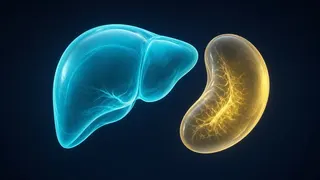
Steps of kidney follow-up.



06Kidney risk and checks (simplified)
| Factor | Possible effect | Check |
|---|---|---|
| High-dose methotrexate | Temporary kidney injury | Creatinine |
| Aminoglycosides, amphotericin | Reduced function | Creatinine, electrolytes |
| Ciclosporin, tacrolimus | Chronic kidney disease, blood pressure | eGFR, blood pressure |
| Total body irradiation | Late kidney damage | eGFR, urine, blood pressure |
| NSAID painkillers | Extra strain | Agree with your doctor |
* Your doctor sets the testing schedule.
07Key terms
- Creatinine
- A waste product filtered by the kidneys.
- eGFR
- Estimated glomerular filtration rate.
- Nephron
- The kidney’s filtering unit.
- Nephrotoxicity
- Harmful effect of a medicine on the kidneys.
- NSAID
- Non-steroidal anti-inflammatory drug.
- Proteinuria
- Protein in the urine.
08Key points
- The kidneys filter the blood.
- Some treatments can affect them.
- Function often recovers.
- Tests and blood pressure are monitored.
- Avoid long-term NSAIDs.
- Drink enough water.
09Frequently asked questions
My creatinine is slightly high. Should I worry?
One result is not everything; your doctor looks at the trend and eGFR.
What can I take for pain?
Agree it with your doctor; paracetamol is usually considered safer for the kidneys, but your doctor sets the dose.
Does lots of water “flush” the kidneys?
Enough fluid helps, but too much water gives no extra benefit.
What happens if a kidney problem is found?
Treating blood pressure and other factors, and follow-up with a nephrologist if needed.
Does this information replace medical advice?
No. This is general education; only your treating doctor can assess your situation.
10Questions for your doctor
Take these questions to your appointment. The ones you save are collected on the “My questions” page and stay on this device only.
My creatinine is slightly high. Should I worry?
What can I take for pain?
Does lots of water “flush” the kidneys?
What happens if a kidney problem is found?
Does this information replace medical advice?
12Sources
- Children's Oncology Group. Long-Term Follow-Up Guidelines for Survivors of Childhood, Adolescent and Young Adult Cancers
- National Cancer Institute (NCI). Late Effects of Treatment for Childhood Cancer (PDQ®)–Patient Version
- MedlinePlus (U.S. National Library of Medicine). Kidney Tests
- National Institute of Diabetes and Digestive and Kidney Diseases (NIDDK). Chronic Kidney Disease (CKD)
- MedlinePlus (U.S. National Library of Medicine). High Blood Pressure
- National Kidney Foundation. Pain Medicines (Analgesics) and kidney health
- National Cancer Institute (NCI). Follow-Up Medical Care
- National Cancer Institute (NCI). Cancer Survivorship
- Cancer.Net (ASCO). Follow-Up Care After Cancer Treatment
- Leukemia & Lymphoma Society (LLS). Long-Term and Late Effects of Treatment