My genetic results
Genetic changes in leukaemia cells determine the risk group, treatment and follow-up tests. Keeping them accurately is very important.

01Short answer
02Simple explanation
Karyotype, FISH, NGS are different tests.
The date of each result matters.
Most changes are not inherited.
Relapse can bring new results.
Keep a copy of the report.
03Scientific explanation
Somatic and germline: somatic mutations are only in leukaemia cells; germline changes are in all cells and can concern the family.
Clonal evolution: over time, leukaemia cells can gain new mutations.
Targets: changes such as FLT3, IDH and BCR-ABL1 are the basis for targeted medicines.
04What happens in the body?
Chromosomes
A karyotype shows the number and structure of chromosomes.
Mutations
An NGS panel checks many genes at once.

Diagnosis and relapse
Keep results separately by date; they can differ.

For the family
If an inherited change is suspected, genetic counselling may be offered; this also matters for donor choice.
05Your genetic record
Four steps.





06Key points at a glance
| Topic | In brief |
|---|---|
 Chromosomes | A karyotype shows the number and structure of chromosomes. |
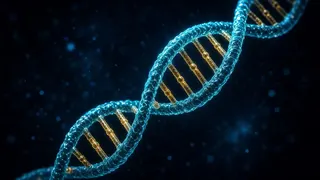 Mutations | An NGS panel checks many genes at once. |
 Diagnosis and relapse | Keep results separately by date; they can differ. |
| For the family | If an inherited change is suspected, genetic counselling may be offered; this also matters for donor choice. |
07Key terms
- Karyotype
- A chromosome analysis.
- FISH
- A search for a specific change using a fluorescent probe.
- NGS
- Next-generation sequencing.
- Somatic
- Present only in tumour cells.
- Germline
- Inherited, present in all cells.
08Key points
- Get every genetic report.
- Record the test type and date.
- Keep diagnosis and relapse results apart.
- Ask about inheritance.
- Show them to every new doctor.
09Frequently asked questions
Are my children at risk?
In most cases the changes are not inherited; if there is doubt, a genetic counsellor will explain.
The report is technical; what can I do?
Ask your doctor to write the key result in plain language.
Are tests repeated?
Yes, at relapse and at some follow-up points.
Does this information replace medical advice?
No. This is general education; only your treating doctor can assess your situation.
10Questions for your doctor
Take these questions to your appointment. The ones you save are collected on the “My questions” page and stay on this device only.
Are my children at risk?
The report is technical; what can I do?
Are tests repeated?
Does this information replace medical advice?
12Sources
- MedlinePlus (U.S. National Library of Medicine). Genetic Testing
- National Cancer Institute (NCI). Adult Acute Myeloid Leukemia Treatment (PDQ®)–Patient Version
- National Cancer Institute (NCI). Adult Acute Lymphoblastic Leukemia Treatment (PDQ®)–Patient Version
- National Cancer Institute (NCI). Follow-Up Medical Care
- Cancer.Net (ASCO). Follow-Up Care After Cancer Treatment
- National Cancer Institute (NCI). Cancer Survivorship
- MedlinePlus (U.S. National Library of Medicine). Exercise and Physical Fitness
- MedlinePlus (U.S. National Library of Medicine). Weight Control
- American Cancer Society. Sleep Problems
- NHS. Insomnia