Mouth and teeth
Chemotherapy and transplant affect the lining of the mouth, saliva and teeth. This topic explains how to restore and protect mouth health after treatment.

01Short answer
02Simple explanation
Treatment affects the mouth and teeth.
Mucositis usually clears within weeks.
Dry mouth raises the risk of decay.
Soft brush and fluoride, twice a day.
Regular dental check-ups.
03Scientific explanation
Mucositis: according to the NCI, mucositis after chemotherapy usually heals in 2–4 weeks.
Saliva: saliva neutralises acids and protects teeth; less saliva raises the risk of decay and infection (NIDCR).
Oral GVHD: after an allogeneic transplant, white patches, pain and dryness in the mouth can be signs of graft-versus-host disease.
Children: the COG guidelines recommend dental check-ups at least twice a year for people who had chemotherapy or head radiation in childhood, because of effects on tooth development.
04What happens in the body?
What changes in the mouth?
Chemotherapy affects the fast-renewing cells of the mouth. The lining thins, sores may form and saliva decreases.

When to see the dentist
After treatment, once blood counts have recovered, a dental check-up is advised. Then usually every 6 months.
Daily care
A soft brush and fluoride toothpaste, twice a day. Restart flossing when your blood counts allow. Avoid alcohol-based mouthwashes.

Dry mouth
Sip water often; sugar-free gum or saliva substitutes may help. Cut down on sugary drinks and acidic snacks.
What to watch for
Sores that do not heal, white patches, swollen or painful gums, or jaw pain — show them to your doctor or dentist.
When to call your doctor
Worrying signs — fever, bleeding, new pain, breathlessness — should be reported to your doctor between visits too. Getting in touch early is always better than waiting.
05Toward a healthy mouth
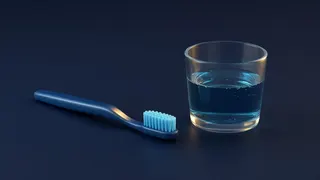
Mouth care steps.




06Mouth problems and general care (simplified)
| Problem | General care | Who to see |
|---|---|---|
| Mucositis | Gentle care, salt-water rinses | Doctor |
| Dry mouth | Water, sugar-free gum | Doctor, dentist |
| Decay risk | Fluoride, less sugar | Dentist |
| White patches | — | Doctor (fungus, GVHD) |
| Bleeding gums | Soft brush | Doctor (platelets) |
* People treated as children are advised to have special dental follow-up.
07Key terms
- Mucositis
- Inflammation of the lining of the mouth.
- Xerostomia
- Dry mouth.
- Fluoride
- A mineral that strengthens enamel.
- Candidiasis
- A fungal infection of the mouth.
- Tooth decay
- Damage to a tooth by bacteria.
- Oral GVHD
- The mouth form of graft-versus-host disease.
08Key points
- Treatment affects the mouth.
- Mucositis clears within weeks.
- Dry mouth raises decay risk.
- Soft brush and fluoride.
- See the dentist regularly.
- Show changes to your doctor.
09Frequently asked questions
When can I have dental treatment?
Planned treatment after blood counts recover, agreed with your haematologist.
Can I use an electric toothbrush?
Yes, with a soft head.
Should I use mouthwash?
Alcohol-free products or salt water; your doctor may prescribe a special one.
My teeth hurt and are sensitive. What can I do?
A sensitive-teeth toothpaste may help; if pain continues, see your dentist.
Does this information replace medical advice?
No. This is general education; only your treating doctor can assess your situation.
10Questions for your doctor
Take these questions to your appointment. The ones you save are collected on the “My questions” page and stay on this device only.
When can I have dental treatment?
Can I use an electric toothbrush?
Should I use mouthwash?
My teeth hurt and are sensitive. What can I do?
Does this information replace medical advice?
12Sources
- National Cancer Institute (NCI). Mouth and Throat Problems during Cancer Treatment
- National Cancer Institute (NCI). Oral Complications of Cancer Therapies (PDQ®)–Patient Version
- NHS. How to keep your teeth clean
- Children's Oncology Group. Long-Term Follow-Up Guidelines for Survivors of Childhood, Adolescent and Young Adult Cancers
- National Cancer Institute (NCI). Follow-Up Medical Care
- National Cancer Institute (NCI). Cancer Survivorship
- Cancer.Net (ASCO). Follow-Up Care After Cancer Treatment
- Leukemia & Lymphoma Society (LLS). Long-Term and Late Effects of Treatment
- National Cancer Institute. Facing Forward: Life After Cancer Treatment
- American Cancer Society. Chemo Brain