← Back
65 / 65 topics ready
Research and new methods
How to understand clinical trials and scientific news. Choose a topic — each one opens on its own page.
 What is medical researchMedical research looks for answers to questions about disease and treatment using planned, checkable methods. Every…
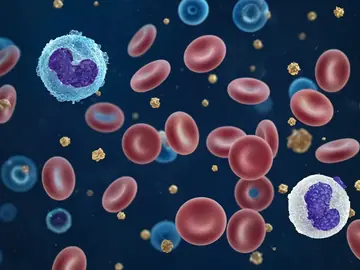 How leukemia research worksBecause leukaemia is in the blood, samples for research are relatively easy to obtain, which has made it one of the…
 From the lab to the patientA new treatment idea is usually born in the laboratory, but it goes through many checks before it reaches patients.…
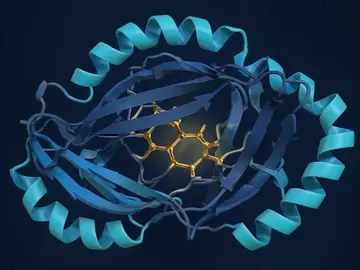 How a new medicine is bornModern medicines are often designed for a specific target: scientists find a protein that works wrongly in the cancer…
 What is a clinical trialA clinical trial tests a new treatment, test or approach in volunteers, following a precise plan called a protocol.…
 Phases of trialsEvery medicine used to treat leukemia today was once just an idea: it was tested in the laboratory and then studied…In the article: Leukemia research: an overview
 Phase IPhase I trials are when a new medicine is tested in people for the first time. The main question is how safe it is…
 Phase IIPhase II trials test whether a medicine found safe in phase I actually works in a specific disease, and study safety…
 Phase IIIPhase III trials compare a new treatment with current standard treatment in large numbers of people. This is where it…
 Phase IVPhase IV follows how a medicine works in real life, in thousands of people, after it has been approved and is in use.
 The control groupTo know whether a new treatment really helps, it has to be compared with something. A control group is created for this.
 RandomisationRandomisation means assigning participants to groups by chance, like drawing lots. It makes the comparison fair.
 How to read the resultsResearch results are full of percentages, curves and abbreviations. A few simple questions make them easier to…
 Scientific evidenceNot all information is equally reliable. One person's story, a laboratory experiment and a large randomised trial are…
 MutationsA mutation is a change in DNA, the cell's instruction manual. In leukaemia, mutations in a blood-forming cell make it…
 Molecular targetsA molecular target is a protein or gene that the leukaemia cell needs to survive and grow and that differs from…
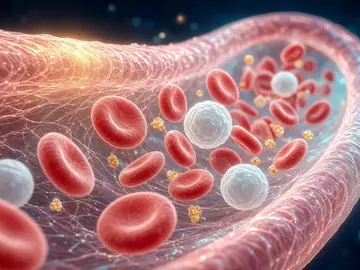 BiomarkersA biomarker is something measurable in blood, bone marrow or tissue that tells us about a disease, its risk or the…
 Precision medicinePrecision medicine means choosing treatment not only by the name of the diagnosis but by the specific genetic and…
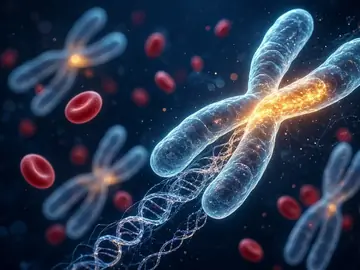 Genetic profileA genetic profile is the set of chromosome changes and gene mutations in the leukaemia cells. It defines the type of…
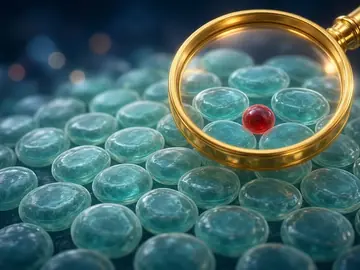 Sensitive MRD testingMRD (minimal residual disease) means leukaemia cells in remission that cannot be seen with an ordinary microscope but…
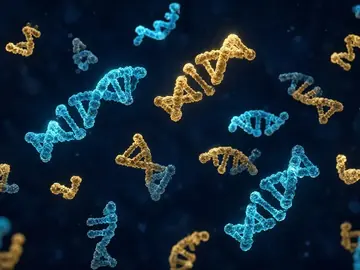 NGS (next-generation sequencing)Next-generation sequencing (NGS) is a technology that can read tens to hundreds of genes in one sample at the same…
 Liquid biopsyA liquid biopsy tries to get information about a disease from a blood sample instead of tissue or bone marrow, for…
 The genetics of drug resistanceSometimes a medicine works well at first and then becomes less effective. Often the reason is new genetic changes in…
 New tyrosine kinase inhibitorsTyrosine kinase inhibitors (TKIs) transformed the treatment of CML and Ph-positive ALL. Newer generations of TKIs…
 Targeting BCL-2BCL-2 is a protein that protects cells from natural programmed death (apoptosis). Many leukaemia cells rely on it to…
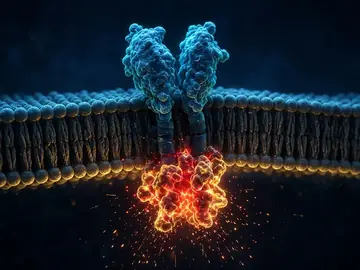 Targeting FLT3FLT3 is a receptor that controls cell growth. In roughly one in three cases of AML, FLT3 is mutated and stays…
 IDH1 and IDH2IDH1 and IDH2 are enzymes of normal cell metabolism. When mutated, they produce a substance (2-HG) that blocks cell…
 Menin inhibitorsMenin is a protein that the disease genes need in order to work in leukaemias with a KMT2A rearrangement (formerly…
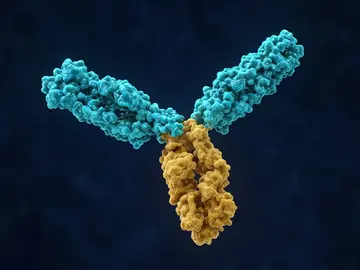 Antibody–drug conjugatesAn antibody–drug conjugate (ADC) is an antibody that recognises a marker on the leukaemia cell surface, linked to a…
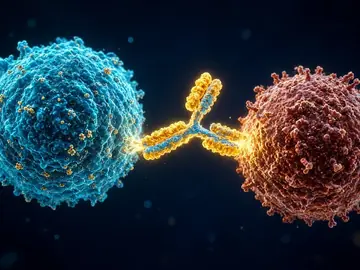 Bispecific antibodiesA bispecific antibody has two arms: one holds an immune T cell and the other a leukaemia cell. In this way the body's…
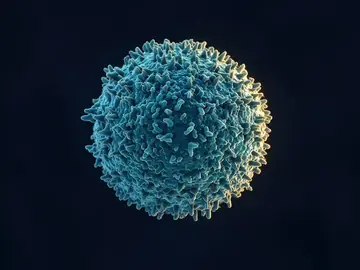 New immunotherapyImmunotherapy helps the immune system recognise and destroy cancer cells. In leukaemia, antibodies, bispecifics…
 CombinationsWhen one pathway is blocked, leukaemia cells can survive through another. So treatment often combines several…
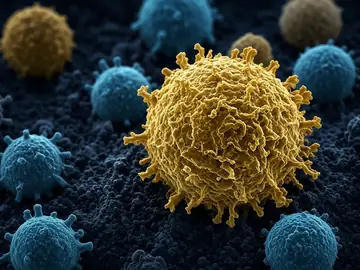 Generations of CAR-TCAR-T means taking a patient's own T cells, giving them a receptor in the laboratory that recognises a cancer marker…
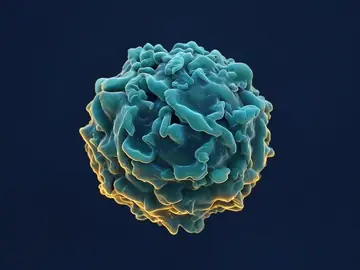 Universal (off-the-shelf) CAR-TUniversal (allogeneic) CAR-T is made in advance from a healthy donor's T cells and can be used without waiting…
 TCR therapyIn TCR therapy, T cells are given a receptor that recognises protein fragments from inside a cell. In leukaemia this…
 Immune-related complicationsPowerful immunotherapy (CAR-T, bispecifics) can over-activate the immune system. These complications are often…
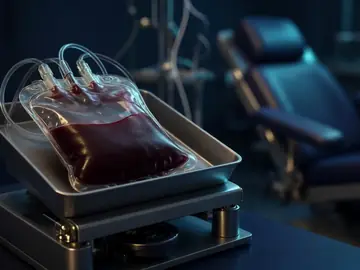 What is new in donor selectionIn the past a transplant needed a fully matched brother or sister or unrelated donor. Today a donor can be found for…
 Haploidentical transplantA haploidentical donor is a relative whose HLA type matches by half: a parent, a child, and often a brother or…
 Umbilical cord bloodBlood left in the umbilical cord and placenta after birth contains many blood stem cells. It is frozen, stored in…
 New conditioning approachesConditioning is chemotherapy, sometimes with radiation, given before a transplant. It reduces leukaemia cells and…
 Preventing GVHDGraft-versus-host disease (GVHD) is when donor immune cells attack the patient's tissues. Prevention starts before…
 What computer analysis doesModern laboratories produce huge amounts of data: measurements of thousands of cells, genetic sequences and images.…
 Automated microscopyScanners turn a blood smear or bone marrow slide into a digital image, and programs find the cells and pre-sort them…
 Computational geneticsSequencing produces millions of short DNA fragments. Programs piece them together, compare them with the normal…
 Does technology replace the doctorNo. Computer programs measure, count and compare, but the doctor assesses the patient's whole situation, wishes and…
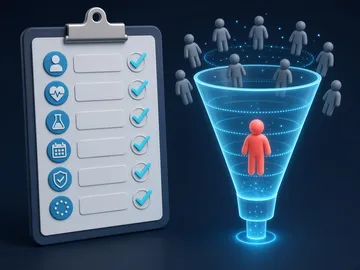 Who can join a trialNot everyone can take part in a clinical trial: each trial has its own conditions. This protects participants and…
 Eligibility criteriaInclusion criteria are what you need in order to join; exclusion criteria are what prevents you from joining. Both…
 How to find a trialThe best start is to ask your own doctor. There are also open registries: ClinicalTrials.gov, the EU portal and the…
 Risks and possible benefitsIn a trial, a new treatment may turn out better than, the same as or worse than standard care; that is exactly what…
 Voluntary informed consentBefore you join, everything must be explained to you and written consent obtained. Consent is not a one-off signature…
 Leaving a trialYou can leave a trial at any time without giving a reason. This should not affect the quality of your care.
 Questions for your doctorTo decide about joining a trial, write your questions down and take them to the appointment. You can bring someone…
 Research in the USAMany leukaemia clinical trials take place in the USA. Most are registered on ClinicalTrials.gov, and NCI also offers…
 Research in the UKIn the United Kingdom, trials take place in NHS hospitals. They can be found through NIHR Be Part of Research and the…
 Research in EuropeIn the European Union, clinical trials follow common rules and are published on a public portal (CTIS). The EMA…
 Germany, France, the NetherlandsThese countries have strong leukaemia research groups and university centres. Trials are registered on the EU portal…
 Research in AsiaThe number of leukaemia trials in Asia is growing fast, in China, Japan, South Korea, India, Turkey and elsewhere.…
 The “cure found” headlineNews stories often carry headlines like “cure for leukaemia found”. Usually they describe the first result of a…
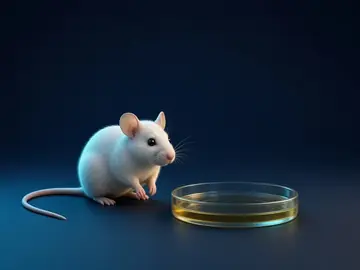 What a study in mice meansNew medicines are first tested in cells (in vitro) and then in animals (in vivo). This is an important step, but it…
 The limits of a small studyA result in a few, or a few dozen, patients can be encouraging, but chance, selection and the lack of a comparison…
 Checking the sourceThere is a lot of information about leukaemia online, but not all of it is reliable. A few simple questions help tell…
 The future: more precise treatmentPrecision medicine matches treatment to the genetic and biological features of the leukaemia. It already helps many…
 The future: less toxic treatmentAn important aim of research is to make treatment lighter while keeping results: less chemotherapy, shorter courses…
 Approaches for children and older peopleLeukaemia behaves differently in children and older people, and they tolerate treatment differently. That is why…
 Science cardThis card brings the section's main ideas together. Use it when reading news or discussing a trial with your doctor.
No matching topics