Leukemia.world
AzərbaycanAZРусскийRUEnglishEN
  • Home
  • Understanding leukemia
  • Immunity and infection prevention
  • Diagnosis and tests
  • Treatment and the treatment process
  • Nutrition and daily life
  • Psychology, family and everyday life
  • After treatment and remission
  • Research and new methods
  • Countries
  • Medical glossary
  • Questions and answers
  • Guide for patients and loved ones
  • About LEUKEMIA.WORLD
← Back
Home›Countries›Country guide›Turkey
Turkey and the Middle East

Turkey

Local foods, food-safety habits, hospital daily life, travel during treatment, the health system, language and emergency numbers from reliable sources.

Emergency numbers

  • 112Single number

Source: GOV.UK — Turkey

Talk to your doctor

If life is at risk, call the local emergency number straight away. If you develop a fever or bleeding during treatment, also call your haematology team’s 24-hour line (if you have one).

Language

Turkish

Keep a translation of your diagnosis, treatment plan and medication list in this language or in English. Many hospitals offer interpreters — ask in advance.

Health system overview

There are state, university and private hospitals, with many specialised centres in large cities. The EHIC is not valid in Turkey — visitors need travel insurance.

Leukemia care: centres

Turkey

Well-known centres
  • Memorial Sisli Hospital Bone Marrow Transplant Center, Istanbul (adults and children)
  • Acibadem adult bone marrow transplant centres, Istanbul (for example, Acibadem Altunizade Hospital)

Good to know: The official HealthTurkiye portal, run by USHAS together with the Ministry of Health, provides information for international patients. In 2023 Azerbaijan sent 25 patients to Turkey for transplants under a state project.

More about centres in all countries →

Local foods

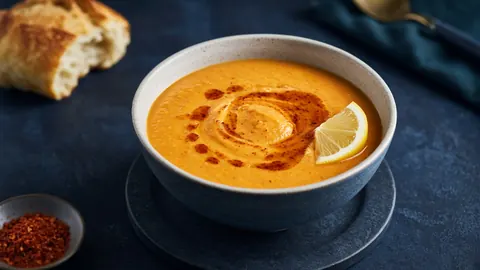
  • Red lentil soup (mercimek) — dish photoWell-cooked hot dishTurkeyRed lentil soup (mercimek)Well-cooked hot dish
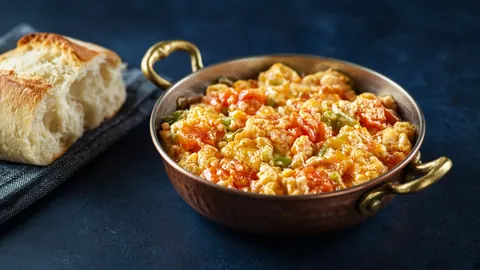
  • Menemen (eggs with tomato) — dish photoWith care: in a safer versionTurkeyMenemen (eggs with tomato)With care: in a safer version
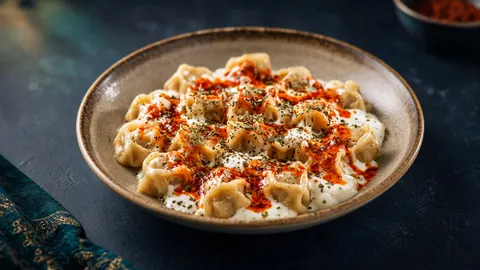
  • Turkish manti (tiny dumplings) — dish photoWell-cooked hot dishTurkeyTurkish manti (tiny dumplings)Well-cooked hot dish
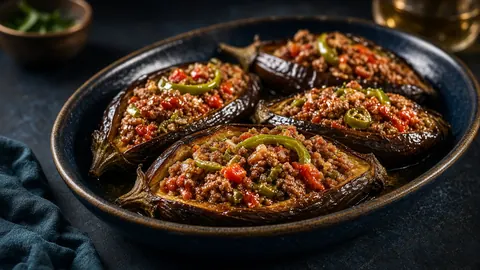
  • Karniyarik (stuffed aubergine) — dish photoWell-cooked hot dishTurkeyKarniyarik (stuffed aubergine)Well-cooked hot dish
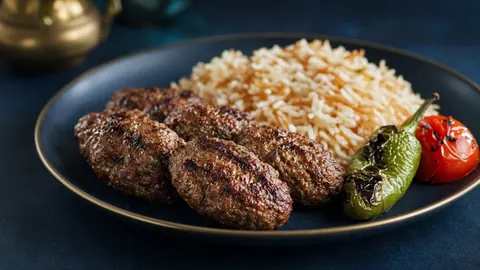
  • Grilled kofte — dish photoWell-cooked hot dishTurkeyGrilled kofteWell-cooked hot dish
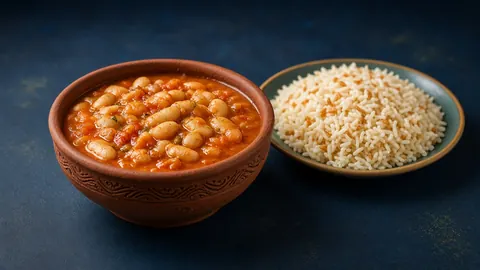
  • White bean stew (kuru fasulye) — dish photoWell-cooked hot dishTurkeyWhite bean stew (kuru fasulye)Well-cooked hot dish
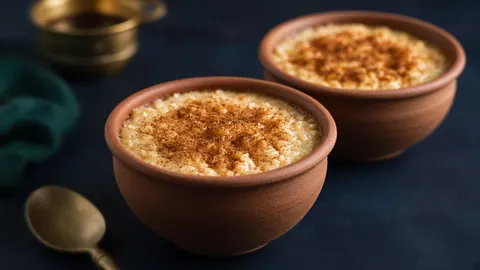
  • Sutlac (baked rice pudding) — dish photoWell-cooked hot dishTurkeySutlac (baked rice pudding)Well-cooked hot dish

Turkey: food database →

Food-safety habits

Wherever you live, the core rules with low immunity are the same: clean hands, keeping raw and cooked food apart, cooking thoroughly, chilling quickly and choosing pasteurised dairy. At local markets and street stalls, watch how food is stored. Ask your team whether tap water is fine for you; if unsure, use bottled or boiled water.

Hospital daily life

In many hospitals in this region a family member stays with the patient to help with daily care, and families often bring food from home. With low immunity, agree with the ward which food can be brought and how it should be prepared and stored. Fewer visitors, and none who are unwell, lowers the risk of infection.

Travel during treatment

  • Talk to your care team before planning a trip — timing, blood counts and vaccines.
  • Carry a doctor’s letter with your diagnosis, treatment plan and medication list (including in English).
  • Pack medicines in original packaging, in hand luggage, with extra; some medicines have import rules.
  • Get travel insurance that covers your existing condition and read the terms.
  • Find the nearest haematology centre and the emergency number at your destination in advance.
  • Live vaccines can be unsafe during treatment — ask your team before any vaccination.
  • Ask your team about clot risk on long flights and move around when you can.
Related topics

  • Leukemia care in different countries: an overview
  • Food safety
  • Fever: when to seek urgent care
  • Visitors and public places
  • Work, study and finances
  • Step-by-step guide: from diagnosis to follow-up

Sources

  1. GOV.UK — Turkey
  2. GOV.UK — health: Turkey
  3. GOV.UK — foreign travel advice (emergency numbers and health)
  4. European Commission — European Health Insurance Card (EHIC)
Medical disclaimerThis information is for educational purposes only and does not replace medical advice.

Open the interactive site →

LEUKEMIA.WORLD

A clear, trustworthy guide to leukemia

This information is for educational purposes only and does not replace medical advice.

About LEUKEMIA.WORLD A Life Turned into Words — Stories and Songs Editorial policy Medical disclaimer Privacy policy Terms of use Contact Image credits
© 2026 LEUKEMIA.WORLD