Iran
Local foods, food-safety habits, hospital daily life, travel during treatment, the health system, language and emergency numbers from reliable sources.
Emergency numbers
- 115Ambulance
- 110Police
- 125Fire
Source: GOV.UK — Iran
Language
Persian (Farsi); Azerbaijani is widely spoken in the north-west
Keep a translation of your diagnosis, treatment plan and medication list in this language or in English. Many hospitals offer interpreters — ask in advance.
Health system overview
Medical facilities are generally reasonable in major cities but poor in remote areas; many health professionals speak some English. Shortages of some basic medicines have been reported — bring enough of your own.
Local foods
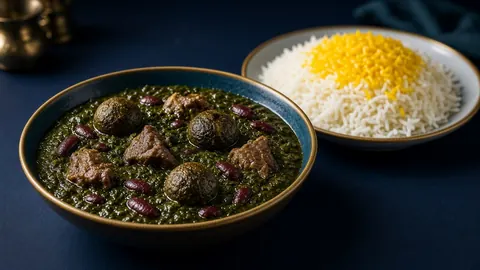 IranGhormeh sabzi (herb stew)Well-cooked hot dish
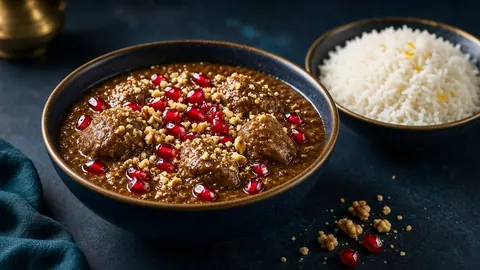 IranFesenjan (walnut and pomegranate stew)Well-cooked hot dish
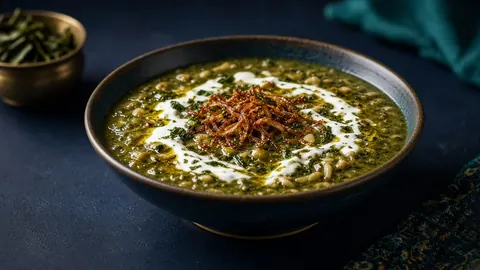 IranAsh reshteh (noodle and bean soup)Well-cooked hot dish
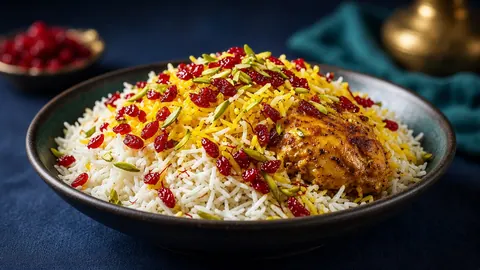 IranZereshk polo (barberry rice)Well-cooked hot dish
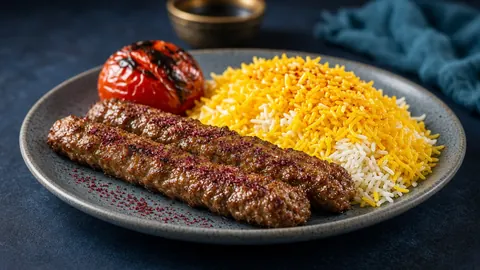 IranKabab koobidehWell-cooked hot dish
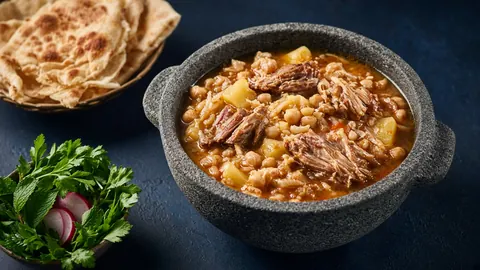 IranAbgoosht (dizi)Well-cooked hot dish
 IranSholeh zard (saffron rice pudding)Well-cooked hot dish
Food-safety habits
Wherever you live, the core rules with low immunity are the same: clean hands, keeping raw and cooked food apart, cooking thoroughly, chilling quickly and choosing pasteurised dairy. At local markets and street stalls, watch how food is stored. Ask your team whether tap water is fine for you; if unsure, use bottled or boiled water.
Hospital daily life
In many hospitals in this region a family member stays with the patient to help with daily care, and families often bring food from home. With low immunity, agree with the ward which food can be brought and how it should be prepared and stored. Fewer visitors, and none who are unwell, lowers the risk of infection.
Travel during treatment
- Talk to your care team before planning a trip — timing, blood counts and vaccines.
- Carry a doctor’s letter with your diagnosis, treatment plan and medication list (including in English).
- Pack medicines in original packaging, in hand luggage, with extra; some medicines have import rules.
- Get travel insurance that covers your existing condition and read the terms.
- Find the nearest haematology centre and the emergency number at your destination in advance.
- Live vaccines can be unsafe during treatment — ask your team before any vaccination.
- Ask your team about clot risk on long flights and move around when you can.