Greece
Local foods, food-safety habits, hospital daily life, travel during treatment, the health system, language and emergency numbers from reliable sources.
Emergency numbers
- 112Single number
Source: GOV.UK — Greece
Language
Greek
Keep a translation of your diagnosis, treatment plan and medication list in this language or in English. Many hospitals offer interpreters — ask in advance.
Health system overview
Treatment is generally good on the mainland but can be limited on the islands; without insurance, care is mainly available at public hospitals and primary care centres. People insured in another EU/EEA country can get medically necessary state healthcare during a temporary stay with a European Health Insurance Card (EHIC); it does not replace travel insurance or cover planned treatment. Visitors from outside the EU need full travel insurance.
Local foods
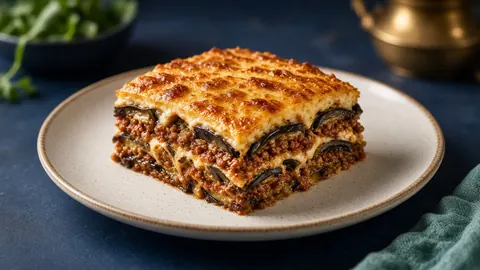 GreeceMoussakaWell-cooked hot dish
 GreeceAvgolemono (egg-lemon chicken soup)With care: in a safer version
 GreeceFasolada (white bean soup)Well-cooked hot dish
 GreeceSpanakopita (spinach and feta pie)Well-cooked hot dish
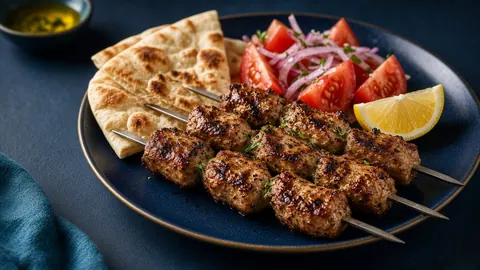 GreeceSouvlakiWell-cooked hot dish
 GreeceGemista (rice-stuffed vegetables)Well-cooked hot dish
 GreeceTzatzikiWith care: in a safer version
Food-safety habits
Wherever you live, the core rules with low immunity are the same: clean hands, keeping raw and cooked food apart, cooking thoroughly, chilling quickly and choosing pasteurised dairy. At local markets and street stalls, watch how food is stored. Ask your team whether tap water is fine for you; if unsure, use bottled or boiled water.
Hospital daily life
In these countries daily care is usually provided by nurses, meals come from the hospital kitchen and visiting hours are set. If you want to bring food from home, ask the ward first. An interpreter can often be booked in advance.
Travel during treatment
- Talk to your care team before planning a trip — timing, blood counts and vaccines.
- Carry a doctor’s letter with your diagnosis, treatment plan and medication list (including in English).
- Pack medicines in original packaging, in hand luggage, with extra; some medicines have import rules.
- Get travel insurance that covers your existing condition and read the terms.
- Find the nearest haematology centre and the emergency number at your destination in advance.
- Live vaccines can be unsafe during treatment — ask your team before any vaccination.
- Ask your team about clot risk on long flights and move around when you can.
For people insured in another EU/EEA country, the European Health Insurance Card (EHIC) covers medically necessary state healthcare during a temporary stay; it does not replace travel insurance or planned treatment.