Germany: Transplantation
In Germany, stem cell transplants are carried out in many specialised centres, many of them JACIE-accredited.

01Short answer
02Simple explanation
Allogeneic: from a donor.
Autologous: from your own cells.
Recovery takes months.
03Scientific explanation
Accreditation: JACIE quality standards are set together with the EBMT.
GvHD: a reaction of donor cells against the body is monitored and treated.
04What happens in the body?
The room
On a transplant unit the air is filtered and visits may be limited.
The cells
New cells settle in the bone marrow and start making blood.

Recovery
Follow-up continues for a long time after going home.

05The transplant path
Four stages.




06Key points at a glance
| Topic | In brief |
|---|---|
 The room | On a transplant unit the air is filtered and visits may be limited. |
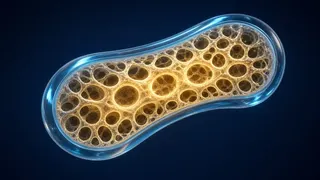 The cells | New cells settle in the bone marrow and start making blood. |
 Recovery | Follow-up continues for a long time after going home. |
07Key terms
- Stammzelltransplantation
- Stem cell transplant.
- Konditionierung
- Conditioning treatment.
- GvHD
- Graft-versus-host disease.
- Reha
- Rehabilitation.
08Key points
- Ask all your questions beforehand.
- Set up a carer plan.
- Follow the food rules.
- Report a temperature at once.
- Do not miss follow-up visits.
09Frequently asked questions
Who decides on a transplant?
The haematologist and transplant team; the decision is made with you.
How long will I stay in hospital?
Usually several weeks; the individual plan is up to your team.
When can I return to work?
It depends on recovery; often after months.
10Questions for your doctor
Take these questions to your appointment. The ones you save are collected on the “My questions” page and stay on this device only.
Who decides on a transplant?
How long will I stay in hospital?
When can I return to work?
12Sources
- DKMS. Official website
- Krebsinformationsdienst (DKFZ). Official website (in German)
- EBMT. European Society for Blood and Marrow Transplantation
- EBMT / JACIE. JACIE accreditation
- National Cancer Institute (NCI). Stem Cell and Bone Marrow Transplants for Cancer
- HealthIT.gov (ONC). How to get your health record
- Centers for Medicare & Medicaid Services (CMS). Medical bill rights
- USA.gov. Visas
- U.S. Citizenship and Immigration Services. Official website
- U.S. Department of Agriculture / HHS. Dietary Guidelines for Americans