Antimetabolites
Antimetabolites are drugs that mimic substances the cell itself needs. They are one of the most widely used drug groups in leukemia treatment.

01Short answer
02Simple explanation
A mimic. The drug looks like a substance the cell needs.
A trick. The cell uses it, and DNA building stops.
Different kinds. Some mimic DNA bricks, others folic acid.
Widely used. In ALL, AML, CLL and HCL.
03Scientific explanation
Groups: pyrimidine analogues (cytarabine), purine analogues (mercaptopurine, thioguanine, fludarabine, cladribine, clofarabine, nelarabine) and folate antagonists (methotrexate, which blocks dihydrofolate reductase) (NCI).
High-dose methotrexate: given in some ALL blocks; clearing it through the kidneys requires alkalinising the urine, plenty of fluids and measuring methotrexate levels in the blood. After a set time, folinic acid (leucovorin) "rescue" is given to protect healthy cells.
Pharmacogenetics: TPMT and NUDT15 variants increase sensitivity to mercaptopurine and thioguanine. Allopurinol can greatly raise mercaptopurine levels, so using them together requires special dose adjustment.
04What happens in the body?
How does it work?
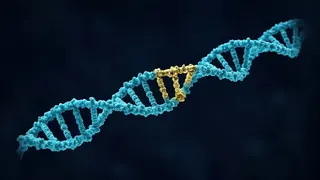
An antimetabolite is like a "counterfeit key": it fits into the lock but does not open the door. DNA building stops, and a cell trying to divide dies.
Methotrexate
Methotrexate blocks the activation of folic acid. At low doses it is given as tablets, at high doses as a long drip, and also intrathecally. After high doses, a special "rescue" medicine is given to protect healthy cells.

Side effects
Low blood counts, mouth sores, nausea, changes in liver tests and sometimes skin sensitivity. With high-dose methotrexate, the kidneys are watched closely.

05How is high-dose methotrexate given?
A simplified outline.




06Main antimetabolites in leukemia
| Drug | Where | Note |
|---|---|---|
| Cytarabine | AML, ALL | Pyrimidine analogue |
| Methotrexate | ALL, intrathecal | Folate antagonist |
| Mercaptopurine | ALL maintenance | Daily tablet |
| Thioguanine | ALL | Liver monitoring |
| Fludarabine, cladribine | CLL, HCL, pre-transplant | Weaken immunity for a long time |
| Nelarabine, clofarabine | T-ALL, relapses | Neurological monitoring (nelarabine) |
* Your doctor sets the dose and schedule according to the protocol.
07Key terms
- Antimetabolite
- A drug that mimics a normal substance.
- Purines / pyrimidines
- The two groups of DNA bricks.
- Folate antagonist
- A drug that blocks folic acid.
- Leucovorin rescue
- Protecting healthy cells after methotrexate.
- TPMT
- An enzyme involved in breaking down mercaptopurine.
- S phase
- The stage of the cell cycle when DNA is copied.
08Key points
- Antimetabolites mimic natural substances.
- They stop DNA building.
- They are key drugs in ALL and AML.
- High-dose methotrexate needs special monitoring.
- Check for interactions.
- Mouth care matters.
09Frequently asked questions
Can I take folic acid?
During methotrexate treatment, take vitamins and supplements only with your doctor’s agreement.
Why do they check my urine?
At high doses, methotrexate clears better in alkaline urine, which protects the kidneys.
When will mouth sores heal?
Usually within one to two weeks as blood counts recover.
Can I take mercaptopurine with food?
Advice varies by protocol; follow your team’s rule.
10Questions for your doctor
Take these questions to your appointment. The ones you save are collected on the “My questions” page and stay on this device only.
Can I take folic acid?
Why do they check my urine?
When will mouth sores heal?
Can I take mercaptopurine with food?
12Sources
- National Cancer Institute (NCI). Chemotherapy to Treat Cancer
- American Cancer Society. How Chemotherapy Drugs Work
- Cancer Research UK. Chemotherapy
- MedlinePlus. Cancer Chemotherapy
- MedlinePlus. Methotrexate
- MedlinePlus. Mercaptopurine
- Leukemia & Lymphoma Society. AML treatment
- MedlinePlus. Acute myeloid leukemia
- American Cancer Society. Treating Acute Myeloid Leukemia (AML)
- Cancer Research UK. Treatment for acute lymphoblastic leukaemia (ALL)