Understanding the human body
Leukemia is a disease of the blood, but blood reaches every corner of the body. That is why it helps so much to know how the body is built when you are trying to understand leukemia, its signs and the effects of treatment. This topic explains in plain language how the body is organised from the cell up to the organ systems, how blood links all the organs together and which systems matter most in leukemia.

01Short answer
02Simple explanation
You can compare the body to a large building. Cells are the bricks. Cells that do the same job join together to form a tissue, like walls. Several tissues together build an organ (the heart, the liver, a kidney), like rooms. Organs that work together make up an organ system, such as the digestive system or the circulatory system.
In this building, blood is the plumbing, the postal service and the security team all at once. It picks up oxygen in the lungs and nutrients in the gut and delivers them to every cell, and it carries waste to the kidneys and liver. Immune cells also travel around the body in the blood.
Blood cells are made in the bone marrow inside the bones. This “factory” releases hundreds of billions of new cells every day, because old ones are constantly being replaced. Leukemia starts in exactly this factory.
The body also has cleaners and filters: the spleen filters the blood and removes old cells, the liver processes many medicines, and the kidneys remove extra substances in the urine. That is why liver and kidney results are also checked during treatment.
Some tissues renew themselves very quickly: the bone marrow, the lining of the mouth and gut, and hair roots. Chemotherapy acts on fast-dividing cells, so side effects show up most often in these places. These tissues usually recover after treatment.
03Scientific explanation
How many cells? According to an estimate published in PLoS Biology in 2016, the body of a “reference” person weighing 70 kg contains about 3.0×10¹³ (30 trillion) human cells. Around 90% of them belong to the blood-forming lineage, most of them red blood cells. The number of bacteria in the body is of roughly the same order.
Cell turnover: according to an estimate published in Nature Medicine in 2021, about 330 billion cells are replaced in the body every day, and close to 90% of them are blood cells. This shows how hard the bone marrow works and why damage to it becomes noticeable so quickly.
Blood composition and homeostasis: according to the American Society of Hematology (ASH), blood is about 55% plasma and 45% cells; white blood cells make up only about 1% of the blood. The NCI’s SEER training materials describe the body’s main task as homeostasis, keeping temperature, pressure and chemical make-up relatively constant. Blood is the main carrier of this balance.
Special “borders” that matter in leukemia: the blood–brain barrier, which protects the brain from many substances in the blood, also makes it harder for some medicines to reach the brain and the spinal fluid. According to the NCI, this is why people with ALL receive special treatment to protect the central nervous system. Another example: leukemia cells breaking down quickly can cause tumour lysis syndrome, which puts strain on the kidneys; that is why fluids and kidney results get special attention at the start of treatment.
04What happens in the body?
The organ systems that matter most in leukemia
The circulatory system (heart and blood vessels) keeps blood moving. The blood-forming system (bone marrow) makes all the blood cells. The immune and lymphatic systems (thymus, lymph nodes, spleen, tonsils) protect against infection. The liver and kidneys clean the blood. The skin and the body’s linings are the first wall against germs. Leukemia and its treatment can affect all of these systems.
Blood: the network that links every organ
Several litres of blood circulate in an adult’s body, reaching the finest vessels next to every cell. That is why a problem in the bone marrow is soon felt throughout the body: too few red cells cause tiredness and breathlessness, too few platelets cause bruising, and too few working white cells lead to infections. Leukemia cells can also travel in the blood to the spleen, liver, lymph nodes and sometimes the linings of the brain.

Why does treatment affect hair, mouth and gut?
Chemotherapy mainly targets cells that divide quickly. Leukemia cells do, but so do hair roots, the lining of the mouth and gut, and the bone marrow. This is why hair loss, mouth sores (mucositis), nausea, diarrhoea and a temporary fall in blood counts can happen. These tissues usually recover after treatment.

Liver and kidneys: the body’s laboratory and filters
Many medicines are processed in the liver or removed by the kidneys. If these organs are not working well, a medicine can stay in the body longer and have a stronger effect. That is why blood chemistry tests are taken before and during treatment, and doses are sometimes changed. Only your doctor decides this; do not take medicines or herbal products on your own.
How does knowing your body help?
People who understand how the body works find it easier to follow their doctor’s explanations, meet test results with less fear and notice new symptoms in good time. Write down your questions and ask your team: “Which organ does this test check?” or “Which organ could this medicine affect?” are completely normal questions.
05From a cell to the whole body
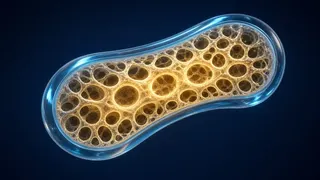
The levels of the body’s organisation (simplified).



06Organ systems and their link to leukemia (simplified)
| System | Main job | What can happen in leukemia and treatment? |
|---|---|---|
| Blood-forming (bone marrow) | Making red cells, white cells and platelets | Leukemia cells crowd out healthy production; treatment lowers it for a while |
| Circulatory (heart, vessels) | Delivering blood to the whole body | With anemia the heart works harder; some medicines can affect the heart |
| Immune and lymphatic | Defence against germs | Higher infection risk; lymph nodes and spleen can enlarge |
| Liver | Metabolism, processing medicines | Can enlarge; some medicines change liver results |
| Kidneys | Filtering blood, removing waste | Tumour lysis syndrome and some medicines can strain the kidneys |
| Nervous system | Controlling the body | Some leukemias can reach the linings of the brain; preventive treatment may be needed |
| Skin and linings | The first wall against germs | Mucositis, dryness; a catheter site can become a “gateway” for infection |
* This table is for general understanding. Your hematology team will tell you which organs need special monitoring in your case.
07Key terms
- Cell
- The smallest living unit of the body.
- Tissue
- A group of cells that work together on one job.
- Organ
- A body part made of cells and tissues, with a specific function.
- Organ system
- Organs that work together for a shared purpose.
- Homeostasis
- Keeping the body’s internal environment relatively stable.
- Plasma
- The liquid part of the blood; more than half of its volume.
- Bone marrow
- The soft tissue inside bones that makes blood cells.
- Spleen
- An organ that filters blood and takes part in immune defence.
- Blood–brain barrier
- A border that protects the brain from many substances in the blood.
- Tumour lysis syndrome
- A disturbance of blood chemistry when many leukemia cells break down quickly.
08Key points
- The body is built in levels: cells, tissues, organs and organ systems.
- Most of the body’s cells belong to the blood-cell lineage.
- Blood links all the organs, so leukemia affects the whole body.
- Huge numbers of blood cells are renewed in the bone marrow every day.
- The liver and kidneys help process and remove medicines.
- Fast-renewing tissues are more sensitive to chemotherapy.
- These tissues usually recover after treatment.
- Feel free to ask your team which organ is being checked, and how.
09Frequently asked questions
Is leukemia only a disease of the blood?
Leukemia starts in the bone marrow, but because blood travels around the whole body, its effects are wide. Leukemia cells can reach the spleen, liver, lymph nodes and sometimes the linings of the brain. That is why doctors look at the whole body, not just the blood.
Why am I having liver and kidney tests?
These organs process and remove medicines. Their condition can affect the choice of medicine and the dose. Some medicines can also affect these organs, so monitoring matters.
Does chemotherapy kill all cells?
No. Chemotherapy mainly affects cells that divide quickly. Most healthy cells divide slowly or can recover from damage. Most side effects are temporary.
Is bone marrow the same as the spinal cord?
No. Bone marrow is the blood-forming tissue inside bones. The spinal cord is part of the nervous system and lies in the canal of the spine. They are completely different organs.
How much blood is in my body?
According to ASH, blood makes up about 7–8% of body weight; for an adult of average size this means several litres. The exact amount depends on height, weight and sex.
Will my body recover after treatment?
In most people, the bone marrow, hair and body linings recover after treatment. Some effects can last longer; your team will watch for them at follow-up visits.
10Questions for your doctor
Take these questions to your appointment. The ones you save are collected on the “My questions” page and stay on this device only.
Which organs can the leukemia and its treatment affect?
Which organs will you check before treatment?
How will my other health conditions affect treatment?
Which organ-related signs should I report straight away?
12Sources
- National Cancer Institute (NCI), SEER Training. Body Functions & Life Process
- National Cancer Institute (NCI), SEER Training. Introduction to the Human Body
- National Cancer Institute (NCI), SEER Training. Cells, Tissues & Membranes
- National Cancer Institute (NCI), SEER Training. Introduction to the Lymphatic System
- American Society of Hematology (ASH). Blood Basics
- InformedHealth.org (IQWiG). What are the organs of the immune system?
- PLoS Biology, 2016. Sender R, Fuchs S, Milo R. Revised estimates for the number of human and bacteria cells in the body
- Nature Medicine, 2021. Sender R, Milo R. The distribution of cellular turnover in the human body
- National Cancer Institute (NCI). What Is Cancer?
- National Cancer Institute (NCI). NCI Dictionary of Cancer Terms: homeostasis
- National Cancer Institute (NCI). NCI Dictionary of Cancer Terms: blood-brain barrier
- National Cancer Institute (NCI). NCI Dictionary of Cancer Terms: tumor lysis syndrome
- National Cancer Institute (NCI). Adult Acute Lymphoblastic Leukemia Treatment (PDQ®) — Patient Version
- National Cancer Institute (NCI). Side Effects of Cancer Treatment