Leukemia.world
AzərbaycanAZРусскийRUEnglishEN
  • Home
  • Understanding leukemia
  • Immunity and infection prevention
  • Diagnosis and tests
  • Treatment and the treatment process
  • Nutrition and daily life
  • Psychology, family and everyday life
  • After treatment and remission
  • Research and new methods
  • Countries
  • Medical glossary
  • Questions and answers
  • Guide for patients and loved ones
  • About LEUKEMIA.WORLD
← Back
Home›Countries›Country guide›United Kingdom
Western and Southern Europe

United Kingdom

Local foods, food-safety habits, hospital daily life, travel during treatment, the health system, language and emergency numbers from reliable sources.

Emergency numbers

  • 999Single number
  • 111Non-urgent medical helpNHS 111 — medical help you need soon but that is not a 999 emergency

Source: NHS — when to call 999 · NHS — when to use 111

Talk to your doctor

If life is at risk, call the local emergency number straight away. If you develop a fever or bleeding during treatment, also call your haematology team’s 24-hour line (if you have one).

Language

English (and Welsh in Wales)

Keep a translation of your diagnosis, treatment plan and medication list in this language or in English. Many hospitals offer interpreters — ask in advance.

Health system overview

The National Health Service (NHS) is largely free at the point of use for people ordinarily resident in the UK. Visitors from abroad may be charged for some treatment — check in advance.

Leukemia care: centres

United Kingdom

Well-known centres
  • The Royal Marsden, London and Sutton
  • Great Ormond Street Hospital, London (children)

Good to know: The Royal Marsden has one of the largest transplant units in the UK and treats NHS and private patients. Great Ormond Street has the country’s largest paediatric transplant unit (JACIE-accredited), treats children up to 16 and accepts international referrals through its private care service.

More about centres in all countries →

Local foods

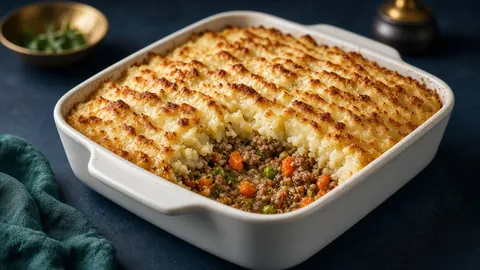
  • Shepherd’s pie — dish photoWell-cooked hot dishUnited KingdomShepherd’s pieWell-cooked hot dish
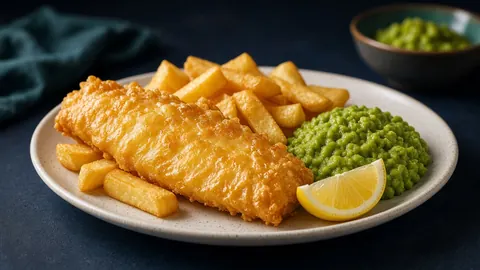
  • Fish and chips — dish photoWell-cooked hot dishUnited KingdomFish and chipsWell-cooked hot dish
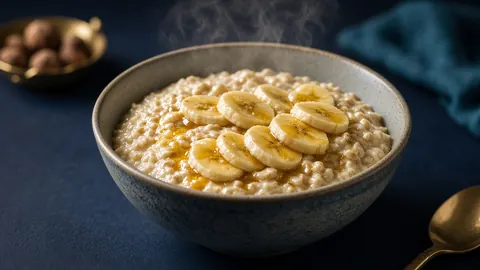
  • Porridge — dish photoWell-cooked hot dishUnited KingdomPorridgeWell-cooked hot dish
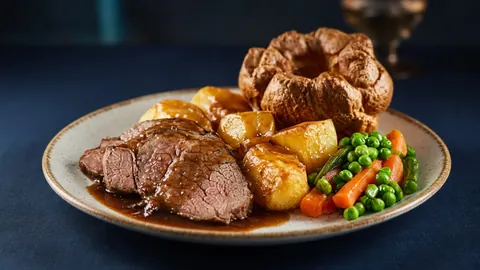
  • Sunday roast — dish photoWell-cooked hot dishUnited KingdomSunday roastWell-cooked hot dish
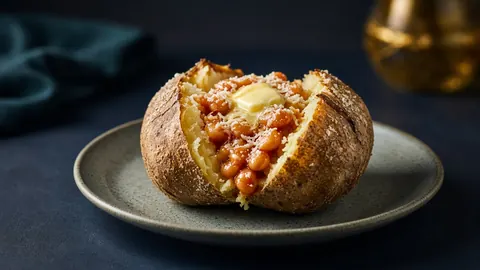
  • Jacket potato — dish photoWell-cooked hot dishUnited KingdomJacket potatoWell-cooked hot dish
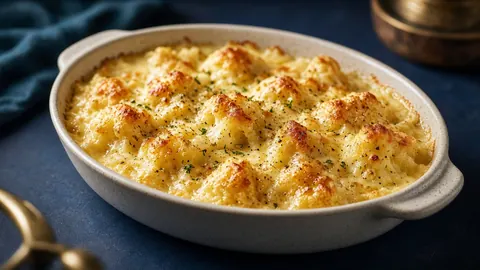
  • Cauliflower cheese — dish photoWell-cooked hot dishUnited KingdomCauliflower cheeseWell-cooked hot dish
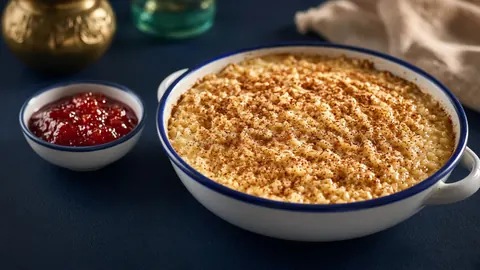
  • Rice pudding — dish photoWell-cooked hot dishUnited KingdomRice puddingWell-cooked hot dish

United Kingdom: food database →

Food-safety habits

Wherever you live, the core rules with low immunity are the same: clean hands, keeping raw and cooked food apart, cooking thoroughly, chilling quickly and choosing pasteurised dairy. At local markets and street stalls, watch how food is stored. Ask your team whether tap water is fine for you; if unsure, use bottled or boiled water.

Hospital daily life

In these countries daily care is usually provided by nurses, meals come from the hospital kitchen and visiting hours are set. If you want to bring food from home, ask the ward first. An interpreter can often be booked in advance.

Travel during treatment

  • Talk to your care team before planning a trip — timing, blood counts and vaccines.
  • Carry a doctor’s letter with your diagnosis, treatment plan and medication list (including in English).
  • Pack medicines in original packaging, in hand luggage, with extra; some medicines have import rules.
  • Get travel insurance that covers your existing condition and read the terms.
  • Find the nearest haematology centre and the emergency number at your destination in advance.
  • Live vaccines can be unsafe during treatment — ask your team before any vaccination.
  • Ask your team about clot risk on long flights and move around when you can.
Related topics

  • Leukemia care in different countries: an overview
  • Food safety
  • Fever: when to seek urgent care
  • Visitors and public places
  • Work, study and finances
  • Step-by-step guide: from diagnosis to follow-up

Sources

  1. NHS — when to call 999
  2. NHS — when to use 111
  3. NHS — visiting or moving to England
  4. GOV.UK — foreign travel advice (emergency numbers and health)
  5. European Commission — European Health Insurance Card (EHIC)
Medical disclaimerThis information is for educational purposes only and does not replace medical advice.

Open the interactive site →

LEUKEMIA.WORLD

A clear, trustworthy guide to leukemia

This information is for educational purposes only and does not replace medical advice.

About LEUKEMIA.WORLD A Life Turned into Words — Stories and Songs Editorial policy Medical disclaimer Privacy policy Terms of use Contact Image credits
© 2026 LEUKEMIA.WORLD