Azerbaijan: transplantation
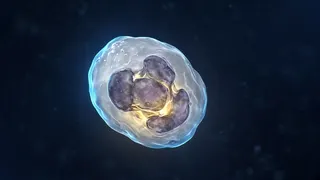
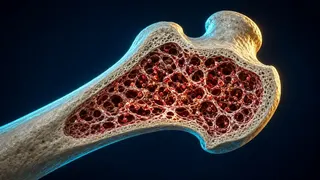
Bone marrow (blood stem cell) transplantation is an important part of treatment for some types of leukaemia. This chapter explains where transplants are done in Azerbaijan, what kinds exist and what to expect.

01Short answer
02Simple explanation
An autologous transplant uses the patient’s own stem cells.
An allogeneic transplant uses donor cells; this is the type more often needed in acute leukaemia.
Conditioning (high-dose treatment) is given before the transplant.
03Scientific explanation
Experience in Azerbaijan: according to a 2024 conference marking ten years of transplantation, 191 patients had received a transplant at the National Centre, most of them with thalassaemia.
Recovery: according to the NCI, full immune recovery after an allogeneic transplant can take 1–2 years; graft-versus-host disease (GVHD) is a possible complication.
04What happens in the body?
Why a transplant?
High-dose treatment destroys leukaemia cells but also damages the bone marrow. The transplanted stem cells build a new, healthy blood system. In an allogeneic transplant, the donor’s immune cells also fight any remaining leukaemia cells.
Which type?
Autologous transplants are used more often in some lymphomas and myeloma. In high-risk acute leukaemia, an allogeneic transplant is usually discussed. The choice also depends on whether a donor is available.

Life on the transplant unit
The patient stays for weeks in a special room with filtered air. Rules on visitors, food and hygiene are strict — to protect against infection.

05Transplantation in four steps
From preparation to recovery.




06Key points at a glance
| Topic | In brief |
|---|---|
 Why a transplant? | High-dose treatment destroys leukaemia cells but also damages the bone marrow. The transplanted stem cells build a new, healthy blood system. In an allogeneic transplant, the donor’s immune cells also fight any remaining leukaemia cells. |
 Which type? | Autologous transplants are used more often in some lymphomas and myeloma. In high-risk acute leukaemia, an allogeneic transplant is usually discussed. The choice also depends on whether a donor is available. |
| Life on the transplant unit | The patient stays for weeks in a special room with filtered air. Rules on visitors, food and hygiene are strict — to protect against infection. |
07Key terms
- Autologous
- A transplant using one’s own stem cells.
- Allogeneic
- A transplant using donor stem cells.
- Conditioning
- High-dose treatment before a transplant.
- GVHD
- Donor immune cells attacking the recipient’s tissues.
08Key points
- Transplants in Baku since 2014.
- Autologous and allogeneic types.
- In the insurance package since 2023.
- The transplant team decides.
- Recovery takes months.
09Frequently asked questions
Can I have a transplant in Azerbaijan?
Yes, at the National Centre. Your doctor will say where and which type suits you.
What if no donor is found?
A haploidentical relative or an international registry may be discussed; sometimes a transplant abroad is considered.
How long will I be in hospital?
Usually several weeks; the exact time depends on the type of transplant and recovery.
10Questions for your doctor
Take these questions to your appointment. The ones you save are collected on the “My questions” page and stay on this device only.
Can I have a transplant in Azerbaijan?
What if no donor is found?
How long will I be in hospital?
12Sources
- National Cancer Institute (NCI). Stem Cell and Bone Marrow Transplants for Cancer
- Tibbqazeti.az (AZERTAC). International conference marking ten years of bone marrow transplantation in Azerbaijan, 2024 (in Azerbaijani)
- State haematology centre (Baku). Official website (in Azerbaijani)
- European Observatory on Health Systems and Policies (WHO). Azerbaijan: health system information and resources
- EBMT. European Society for Blood and Marrow Transplantation
- World Marrow Donor Association (WMDA). Official website
- Jauns.lv (LETA). More than 300 people helped since bone marrow transplants began in Latvia, 2020 (in Latvian)
- Dienas Bizness. Stem cell transplantation unit opens, 2006 (in Latvian)
- Vilnius University Hospital Santaros Klinikos. Hematology, Oncology and Transfusion Medicine Center: bone marrow transplantation (in Lithuanian)
- Kauno klinikos. The 500th hematopoietic stem cell transplantation, 2026 (in Lithuanian)