Digestion
Chemotherapy, antibiotics and transplant have a strong effect on the digestive system. This topic explains how digestion recovers after treatment and what helps.

01Short answer
02Simple explanation
The gut lining renews quickly.
Symptoms may last for a while.
Antibiotics change the microbiota.
What helps: fluids, fibre, movement.
With warning signs — see a doctor at once.
03Scientific explanation
Lining: gut cells renew within a few days; chemotherapy disrupts this, and the lining recovers after treatment (NCI).
Microbiota: broad-spectrum antibiotics reduce the diversity of gut bacteria; recovery can take weeks to months.
Constipation: the main causes are opioid painkillers, some anti-sickness medicines, too little fluid and inactivity.
Transplant: after an allogeneic transplant, persistent diarrhoea can be gut GVHD or an infection and must be checked by a doctor.
04What happens in the body?
Why does digestion change?
Chemotherapy thins the gut lining, antibiotics reduce helpful bacteria and medicines change how the bowel moves.

Diarrhoea
Drink enough fluids. If diarrhoea continues, or there is fever or blood, see your doctor — infection must be ruled out.
Constipation
Water, gradually increased fibre and walking help. Agree any laxatives with your doctor.
Restoring the microbiota
A variety of plant foods supports the recovery of gut bacteria. Do not take probiotics without agreeing with your doctor — they can carry a risk when immunity is weak.

Routine and movement
Regular mealtimes, a gentle walk after meals and enough sleep support digestion.
When to call your doctor
Worrying signs — fever, bleeding, new pain, breathlessness — should be reported to your doctor between visits too. Getting in touch early is always better than waiting.
05Recovering digestion
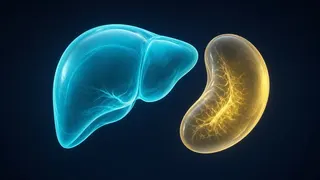
Steps that support digestion.




06Digestive symptoms and general steps (simplified)
| Symptom | General step | When to see a doctor |
|---|---|---|
| Diarrhoea | Fluids, small meals | Fever, blood, more than 2 days |
| Constipation | Water, fibre, movement | More than 3 days, pain |
| Bloating | Eat little and often | Severe pain |
| Nausea | Small portions | Persistent vomiting |
| Feeling full fast | Small frequent meals | Weight loss |
* Agree probiotics and laxatives with your doctor.
07Key terms
- Microbiota
- The community of microorganisms in the gut.
- Lining (mucosa)
- The inner layer of the gut.
- Fibre
- The undigested part of plant foods.
- Probiotic
- A product containing live helpful microorganisms.
- Gut GVHD
- The gut form of graft-versus-host disease.
- Dehydration
- Not enough fluid in the body.
08Key points
- The gut lining recovers.
- The microbiota renews over time.
- Drink enough fluids.
- Increase fibre gradually.
- Agree probiotics with your doctor.
- Do not wait with warning signs.
09Frequently asked questions
Should I take probiotics?
Only after agreeing with your doctor; with weak immunity there is a rare risk of infection.
Dairy makes me bloated. Why?
Temporary lactose intolerance can follow treatment; tell your doctor or dietitian.
When will digestion return to normal?
Most often within weeks or a few months.
When do I need medicine for constipation?
If simple steps do not help — on your doctor’s advice.
Does this information replace medical advice?
No. This is general education; only your treating doctor can assess your situation.
10Questions for your doctor
Take these questions to your appointment. The ones you save are collected on the “My questions” page and stay on this device only.
Should I take probiotics?
Dairy makes me bloated. Why?
When will digestion return to normal?
When do I need medicine for constipation?
Does this information replace medical advice?
12Sources
- National Cancer Institute (NCI). Gastrointestinal Complications (PDQ®)–Patient Version
- National Cancer Institute (NCI). Diarrhea and Cancer Treatment
- National Cancer Institute (NCI). Constipation and Cancer Treatment
- MedlinePlus (U.S. National Library of Medicine). Digestive Diseases
- American Cancer Society. Living as an Acute Lymphocytic Leukemia Survivor
- National Cancer Institute (NCI). Follow-Up Medical Care
- National Cancer Institute (NCI). Cancer Survivorship
- Cancer.Net (ASCO). Follow-Up Care After Cancer Treatment
- Leukemia & Lymphoma Society (LLS). Long-Term and Late Effects of Treatment
- National Cancer Institute. Facing Forward: Life After Cancer Treatment