Late effects
The treatments that defeat leukemia are powerful, and sometimes their traces appear months or even years after treatment ends. These are called late effects. This does not mean everyone will have them, and even when they do appear, most can be treated or eased if found in good time. This topic explains which late effects are possible, what they depend on and how you can protect yourself.

01Short answer
02Simple explanation
Chemotherapy, radiotherapy and transplant destroy leukemia cells, but sometimes they affect healthy tissues too. Most of these effects go away after treatment, while some can last a long time or appear years later.
Long-term effects are problems that start during treatment and carry on afterwards, such as tiredness or numbness in the hands and feet. Late effects appear for the first time months or years after treatment, such as heart or thyroid problems.
The risk depends mainly on which treatment you received. That is why it is so important for your treatment summary to list your medicines, any radiotherapy and any transplant.
In people treated in childhood, growth, learning and hormones need extra attention, because their bodies are still developing.
The good news is that most late effects can be found early with regular check-ups and treated. Not smoking, physical activity, healthy eating and sun protection lower the risks.
03Scientific explanation
Heart: according to the 2022 ESC cardio-oncology guidelines, anthracyclines (for example daunorubicin, idarubicin) raise the risk of a weakened heart muscle; the risk depends on the total amount received, radiotherapy to the chest, age, and factors such as blood pressure, blood sugar and cholesterol. The guidelines describe follow-up with echocardiography after treatment according to risk level, and careful control of cardiovascular risk factors.
People treated in childhood: in a study published in JAMA in 2013, systematic screening of adults treated in childhood for various cancers showed that health problems were common, and the authors stressed the importance of regular, risk-based screening. These data mostly reflect an older era of treatment; modern protocols try to reduce late effects. The NCI and the Children’s Oncology Group recommend a personal screening plan based on the treatment received.
Thinking and tiredness: according to a 2019 review, cancer-related cognitive impairment (difficulties with memory, attention and speed of thinking) can persist for some time after treatment in many people; cognitive rehabilitation and physical activity are approaches that help. According to a 2014 review, cancer-related fatigue is one of the most common effects and in some people can last for years after treatment; physical activity and psychological approaches help to reduce it.
Transplant, fertility and second cancers: the 2023 international recommendations for long-term transplant survivors describe regular screening for chronic GVHD, lung, endocrine, bone, eye, skin and mouth problems, and second cancers. The 2018 ASCO guideline recommends discussing fertility as early as possible and again after treatment. According to the American Cancer Society, some chemotherapy medicines and radiotherapy can slightly raise the risk of a second cancer years later.
04What happens in the body?
What do late effects depend on?
The main factors are the type and total amount of treatment received, whether radiotherapy was given and to which area, a stem cell transplant, age at the time of treatment, genetics, other illnesses and lifestyle. Two people who received the same treatment can have completely different effects.
Heart and blood vessels
In some people, anthracyclines can weaken the heart muscle years later. Tell your doctor about breathlessness, swollen legs, an irregular heartbeat or finding exercise harder than before. Keeping blood pressure, blood sugar and cholesterol under control, and stopping smoking, are the most reliable ways to protect your heart.

Thinking, memory and tiredness
Some people notice forgetfulness, trouble concentrating or a “foggy head” after treatment; this is sometimes called “chemo brain”. It often improves with time. Lists, a calendar, a sleep routine, physical activity and doing one task at a time all help. With lasting tiredness, causes such as anemia, thyroid problems and depression should be checked.

Hormones, bones and fertility
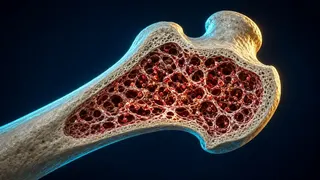
Steroids and transplant can lower bone density and, rarely, disrupt the blood supply to bone tissue (avascular necrosis); report lasting joint pain. Radiotherapy and some medicines can affect the thyroid, growth and fertility. If you would like to have children, discuss this openly with your doctor.
Second cancers and emotional health
After some treatments, the risk of another cancer can rise slightly over the years. Age-appropriate screening, regular skin checks and sun protection are important. Anxiety, depression and traumatic memories are also among the late effects; they are not a weakness, and they respond well to psychological help.
05How to deal with late effects
A four-step approach.



06Possible late effects and the treatments linked with them (simplified)
| Area | Possible effect | Mainly linked with |
|---|---|---|
| Heart | Weakened heart muscle | Anthracyclines, chest radiotherapy |
| Bones | Lower bone density, avascular necrosis | Steroids, transplant |
| Hormones | Thyroid problems, slowed growth, early menopause | Radiotherapy, transplant, some medicines |
| Fertility | Difficulty having children | High-intensity chemotherapy, total body irradiation |
| Thinking | Memory and attention difficulties | Chemotherapy, radiotherapy to the brain |
| Eyes | Cataracts | Steroids, total body irradiation |
| Nerves | Numbness or tingling in hands and feet | Vincristine and some other medicines |
| Second cancers | Slightly higher risk of another cancer | Some chemotherapy, radiotherapy, transplant |
* Not everyone has these effects, and the risk depends on individual factors. Your hematology team decides your risk and the checks you need.
07Key terms
- Late effect
- A problem that first appears months or years after treatment.
- Long-term effect
- A problem that starts during treatment and continues afterwards.
- Anthracyclines
- A group of chemotherapy medicines that can affect the heart.
- Cardiomyopathy
- Weakening of the heart muscle.
- Avascular necrosis
- Damage to bone tissue caused by a poor blood supply.
- Osteoporosis
- Low bone density with a higher risk of fractures.
- Cognitive impairment
- Difficulty with memory, attention and speed of thinking.
- Neuropathy
- Nerve damage causing numbness, tingling or pain.
- Chronic GVHD
- The long-term effect of donor immune cells after a transplant.
- Second cancer
- A new, different cancer that develops after earlier treatment.
08Key points
- Late effects can appear even years after treatment.
- The risk depends mainly on the treatment received.
- Not everyone has all of them.
- Keep your treatment summary.
- Your heart, bones, hormones and eyes may be checked.
- Thinking difficulties and tiredness often improve.
- Not smoking and staying active lower the risks.
- Emotional effects can be treated too.
09Frequently asked questions
Will I have late effects?
Not necessarily. The risk depends on the treatment you received, your age and other factors. Ask your doctor which effects are most likely for you and which checks you need.
When do late effects appear?
Some appear soon after treatment, others years or even decades later. That is why some checks are recommended for a long time, sometimes for life.
Will my memory problems go away?
In many people they improve with time. Sleep, physical activity, less stress and practical tools all help. If the problems get in the way of work or study, ask about cognitive rehabilitation.
Can I have children after treatment?
Many people can, but it depends on the treatment received. A fertility assessment and advice from a reproductive specialist give the most accurate answer. Discuss with your doctor when it is safe to plan a pregnancy.
What can I do for my child?
Keep the treatment summary, do not miss long-term follow-up visits, and ask for support early if learning difficulties appear at school. As your child grows up, teach them their own treatment history.
What can I do myself to lower the risk?
Do not smoke, limit alcohol, move regularly, keep a healthy weight, protect yourself from the sun, have your blood pressure and cholesterol checked, and get the vaccines recommended for you.
10Questions for your doctor
Take these questions to your appointment. The ones you save are collected on the “My questions” page and stay on this device only.
Which late effects are possible after my treatment?
When should my heart, bones or hormones be checked?
Should my fertility be checked?
Which specialists should I see to monitor late effects?
12Sources
- National Cancer Institute (NCI). Late Side Effects of Cancer Treatment
- National Cancer Institute (NCI). Late Effects of Treatment for Childhood Cancer (PDQ®)
- Cancer.Net (ASCO). Long-Term Side Effects of Cancer Treatment
- American Cancer Society. Second Cancers in Adults
- American Cancer Society. Chemo Brain
- American Cancer Society. Cancer-related Fatigue
- National Cancer Institute (NCI). Memory or Concentration Problems and Cancer Treatment
- National Cancer Institute (NCI). Fertility Issues in Girls and Women with Cancer
- Children's Oncology Group. Long-Term Follow-Up Guidelines for Survivors of Childhood, Adolescent and Young Adult Cancers
- European Heart Journal, 2022. 2022 ESC Guidelines on cardio-oncology developed in collaboration with EHA, ESTRO and IC-OS
- Transplantation and Cellular Therapy, 2024. International Recommendations for Screening and Preventative Practices for Long-Term Survivors of Transplantation and Cellular Therapy: A 2023 Update
- Journal of Clinical Oncology, 2018. Fertility Preservation in Patients With Cancer: ASCO Clinical Practice Guideline Update
- JAMA, 2013. Clinical ascertainment of health outcomes among adults treated for childhood cancer
- Annals of Oncology, 2019. Cancer-related cognitive impairment: an update on state of the art, detection, and management strategies in cancer survivors
- Nature Reviews Clinical Oncology, 2014. Cancer-related fatigue — mechanisms, risk factors, and treatments