After a transfusion: what to watch for
Most reactions happen during the transfusion, and staff notice them straight away. But some appear hours or days later, so simple observation at home matters.

01Short answer
02Simple explanation
Notice how you feel.
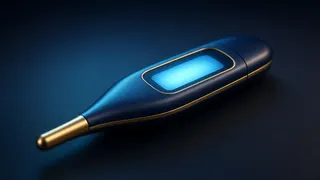
Record your temperature.
Dark urine: tell us.
Severe symptom: emergency.
03Scientific explanation
MedlinePlus: haemolytic and other reactions can occur right after a transfusion or later; signs include fever, back pain and dark urine.
NCI: chemotherapy can lower neutrophils, platelets and red cells, which raises the risk of infection, bleeding and fatigue.
04What happens in the body?
Delayed haemolysis
Antibodies can break down transfused cells days later.
Allergy
Itching and a rash are the most common mild reaction.
Neutrophils
The first defence against infection; when they are low, hygiene matters most.
Platelets
Help blood clot; when they are low, protect yourself from injury.
05Daily protection: four steps
Wash, protect, check, report.




06Key points at a glance
| Topic | In brief |
|---|---|
 Delayed haemolysis | Antibodies can break down transfused cells days later. |
 Allergy | Itching and a rash are the most common mild reaction. |
 Neutrophils | The first defence against infection; when they are low, hygiene matters most. |
 Platelets | Help blood clot; when they are low, protect yourself from injury. |
07Key terms
- Haemolysis
- The breakdown of red cells.
- Jaundice
- Yellowing of the skin and eyes.
- ANC
- Absolute neutrophil count.
- Thrombocytopenia
- A low platelet count.
08Key points
- Notice.
- Record.
- Call.
- Wash your hands.
- 38 °C: call.
09Frequently asked questions
I feel a little tired; is that normal?
It can be; if it gets worse or other symptoms appear, tell us.
I have a rash.
Call your team; do not take medicines on your own.
What should I watch every day?
Temperature, bleeding, tiredness and the catheter site; tell your team about any change.
10Questions for your doctor
Take these questions to your appointment. The ones you save are collected on the “My questions” page and stay on this device only.
I feel a little tired; is that normal?
I have a rash.
What should I watch every day?
12Sources
- MedlinePlus. Blood transfusions
- MedlinePlus. Hemolytic transfusion reaction
- National Cancer Institute. Infection and Neutropenia during Cancer Treatment
- National Cancer Institute. Bleeding and Bruising (Thrombocytopenia) and Cancer Treatment
- National Cancer Institute. Anemia and Cancer Treatment
- World Health Organization. World Hand Hygiene Day
- NHS. Blood transfusion
- National Cancer Institute (NCI). Psychological Stress and Cancer
- American Cancer Society. What a Cancer Caregiver Does
- Blood Cancer UK. Preventing infection