When counts start to rise: step by step
The recovery of neutrophils, platelets and hemoglobin is an important and happy stage of treatment. But the rules should not all be dropped at once: recovery is gradual, and the next cycle may lower the counts again.

01Short answer
02Simple explanation
Ask what changes.
Hands: always.
Add things one at a time.
Fever: call.
03Scientific explanation
NCI: blood counts usually recover after chemotherapy, but later cycles can lower them again; your team adjusts the rules.
NCI: chemotherapy can lower neutrophils, platelets and red cells, which raises the risk of infection, bleeding and fatigue.
04What happens in the body?
Recovery
The bone marrow starts making new cells again.
Cycles
Counts can fall and rise after each cycle.
Neutrophils
The first defence against infection; when they are low, hygiene matters most.
Platelets
Help blood clot; when they are low, protect yourself from injury.
05Daily protection: four steps
Wash, protect, check, report.





06Key points at a glance
| Topic | In brief |
|---|---|
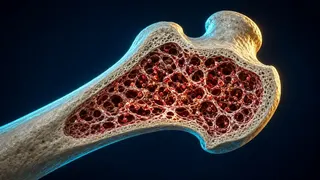 Recovery | The bone marrow starts making new cells again. |
 Cycles | Counts can fall and rise after each cycle. |
 Neutrophils | The first defence against infection; when they are low, hygiene matters most. |
 Platelets | Help blood clot; when they are low, protect yourself from injury. |
07Key terms
- Count recovery
- The return of blood counts to normal levels.
- Engraftment
- When new cells take hold after a transplant.
- ANC
- Absolute neutrophil count.
- Thrombocytopenia
- A low platelet count.
08Key points
- Ask.
- Go gradually.
- Stay alert.
- Wash your hands.
- 38 °C: call.
09Frequently asked questions
Do I still need a mask?
Your team decides; it depends on your counts and stage.
I am still tired.
Tiredness lasts longer; tell your team.
What should I watch every day?
Temperature, bleeding, tiredness and the catheter site; tell your team about any change.
10Questions for your doctor
Take these questions to your appointment. The ones you save are collected on the “My questions” page and stay on this device only.
Do I still need a mask?
I am still tired.
What should I watch every day?
12Sources
- National Cancer Institute. Infection and Neutropenia during Cancer Treatment
- National Cancer Institute. Bleeding and Bruising (Thrombocytopenia) and Cancer Treatment
- National Cancer Institute. Anemia and Cancer Treatment
- World Health Organization. World Hand Hygiene Day
- National Cancer Institute (NCI). Chemotherapy to Treat Cancer
- National Cancer Institute (NCI). Female Fertility and Cancer Treatment
- National Cancer Institute (NCI). Male Fertility and Cancer Treatment
- National Cancer Institute (NCI). Hair Loss (Alopecia) and Cancer Treatment
- National Cancer Institute (NCI). Feelings and Cancer
- National Cancer Institute (NCI). Mouth and Throat Problems during Cancer Treatment