USA: Transplantation
In the USA, allogeneic and autologous transplants are done at FACT-accredited centres, and results are reported publicly through CIBMTR.

01Short answer
02Simple explanation
FACT: quality accreditation.
Caregiver: often required.
Living nearby.
03Scientific explanation
Results: CIBMTR compares each centre’s survival with the expected result.
Insurance: transplant is costly; approval and network must be checked in advance.
04What happens in the body?
Unit
HEPA-filtered rooms lower infection risk.
Infusion
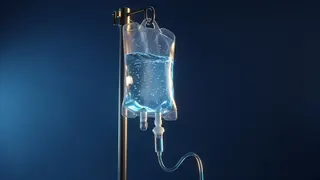
Stem cells are given into a vein, much like a transfusion.

Housing
The live-nearby and caregiver requirement.

05Preparing for transplant
Four steps.




06Key points at a glance
| Topic | In brief |
|---|---|
 Unit | HEPA-filtered rooms lower infection risk. |
 Infusion | Stem cells are given into a vein, much like a transfusion. |
 Housing | The live-nearby and caregiver requirement. |
07Key terms
- Allogeneic
- Transplant from a donor.
- Autologous
- Using your own cells.
- Center of excellence
- A centre chosen by the insurer.
- Caregiver
- The person who looks after you.
08Key points
- Ask about the centre’s results.
- Find out about insurance approval.
- Build a caregiver rota.
- Ask about housing help.
- Meet the social worker.
09Frequently asked questions
What if I have no caregiver?
Some centres look for alternatives; talk to the social worker.
Who pays for housing?
Sometimes insurance or charities help; terms vary.
How do I choose a centre?
Look at accreditation, experience and CIBMTR results.
10Questions for your doctor
Take these questions to your appointment. The ones you save are collected on the “My questions” page and stay on this device only.
What if I have no caregiver?
Who pays for housing?
How do I choose a centre?
12Sources
- CIBMTR. Official website
- FACT (Foundation for the Accreditation of Cellular Therapy). Official website
- National Cancer Institute (NCI). Stem Cell and Bone Marrow Transplants for Cancer
- NMDP. For patients
- EBMT. European Society for Blood and Marrow Transplantation
- Centers for Disease Control and Prevention (CDC). How to Make Water Safe in an Emergency
- GOV.UK. Disability rights: employment
- NHS. NHS 111 online
- International Agency for Research on Cancer (IARC/WHO). Global Cancer Observatory: Germany fact sheet
- National Cancer Institute (NCI). Leukemia — Patient Version