USA: Diagnostics
In the USA, leukaemia diagnosis starts with a blood test and is confirmed with bone marrow tests, immunophenotyping and broad genetic testing.

01Short answer
02Simple explanation
Blood test: the first step.
Bone marrow: confirmation.
Genetics: guides treatment.
03Scientific explanation
Guidelines: NCCN patient guides explain the tests for each type in plain language.
Laboratory: US laboratories must meet federal quality standards (CLIA).
04What happens in the body?
Blood test
A complete blood count and smear; if abnormal cells appear, you are referred to a specialist.
Bone marrow
A sample is taken from the hip bone under local anaesthetic.

Genetic tests
Results sometimes take 1 to 3 weeks and define the risk group and targeted medicines.

05The road to diagnosis
Four steps.




06Key points at a glance
| Topic | In brief |
|---|---|
 Blood test | A complete blood count and smear; if abnormal cells appear, you are referred to a specialist. |
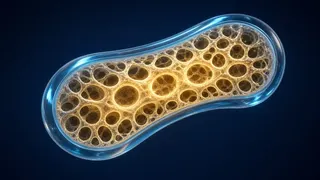 Bone marrow | A sample is taken from the hip bone under local anaesthetic. |
 Genetic tests | Results sometimes take 1 to 3 weeks and define the risk group and targeted medicines. |
07Key terms
- CBC
- Complete blood count.
- Flow cytometry
- Measuring cell surface markers.
- NGS panel
- A broad gene test.
- CLIA
- Laboratory quality standard.
08Key points
- Ask for copies of results.
- Write down the test names.
- Ask about insurance approval.
- Find out when genetics will be ready.
- Prepare your questions.
09Frequently asked questions
Can I see my results online?
Many centres have a “patient portal”; results sometimes appear before you talk to your doctor.
Does insurance pay for genetic tests?
Often, but approval is sometimes needed; your team will check.
Is a second pathology opinion possible?
Yes, slides can be sent to another centre.
10Questions for your doctor
Take these questions to your appointment. The ones you save are collected on the “My questions” page and stay on this device only.
Can I see my results online?
Does insurance pay for genetic tests?
Is a second pathology opinion possible?
12Sources
- National Cancer Institute (NCI). Questions to Ask Your Doctor about Your Diagnosis
- American Cancer Society. Tests for Acute Myeloid Leukemia (AML)
- MedlinePlus (U.S. National Library of Medicine). Bone marrow aspiration
- MedlinePlus (U.S. National Library of Medicine). Flow cytometry
- National Comprehensive Cancer Network (NCCN). NCCN Guidelines for Patients
- Government of India. e-Visa (including e-Medical and e-Medical Attendant visas)
- UT MD Anderson Cancer Center. Stem Cell Transplantation and Cellular Therapy Center
- UT MD Anderson Cancer Center. International Center: frequently asked questions
- Fred Hutch Cancer Center. International patients
- World Health Organization (WHO). WHO Model Lists of Essential Medicines