United Kingdom: Hygiene
During treatment immunity weakens, and everyday hygiene becomes a protective shield. This chapter covers hygiene at home and in daily life in the United Kingdom.

01Short answer
02Simple explanation
Hands: soap, water, 20 seconds.
Mouth and skin: soft brush, daily shower.
Personal items are not shared.
03Scientific explanation
Handwashing: according to the CDC, proper handwashing with soap reduces the spread of respiratory and gut infections.
Neutropenia: the NCI explains that when neutrophils are low, even ordinary germs can cause serious infection.
04What happens in the body?
Hand hygiene
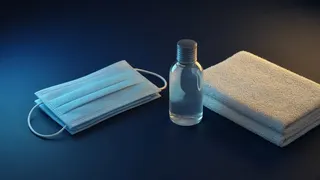
Wash before eating, after the toilet, after being outside or on public transport, and after touching animals. Without water, use a sanitiser with at least 60% alcohol.
Mouth care
A soft brush, mild toothpaste and the rinse your team recommends. Avoid alcohol mouthwashes. Talk to your haematologist before any dental visit.

Skin and personal items
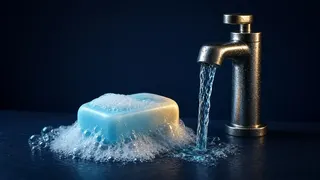
A warm shower daily, mild soap, moisturiser; an electric razor instead of a blade. Change towels and bedding often.

05Clean hands in four steps
A rule for every day.




06Key points at a glance
| Topic | In brief |
|---|---|
 Hand hygiene | Wash before eating, after the toilet, after being outside or on public transport, and after touching animals. Without water, use a sanitiser with at least 60% alcohol. |
 Mouth care | A soft brush, mild toothpaste and the rinse your team recommends. Avoid alcohol mouthwashes. Talk to your haematologist before any dental visit. |
 Skin and personal items | A warm shower daily, mild soap, moisturiser; an electric razor instead of a blade. Change towels and bedding often. |
07Key terms
- Neutropenia
- Low neutrophils.
- Sanitiser
- An alcohol product that reduces germs.
- Mucositis
- Inflammation of the mouth lining.
- Line (catheter)
- A long-term tube in a vein.
08Key points
- Wash hands for 20 seconds.
- Soft toothbrush.
- Do not share personal items.
- Carry sanitiser.
- Line care by your team’s rules.
09Frequently asked questions
Can I go swimming?
Usually not during neutropenia or with a line; ask your team.
Can I have a manicure?
There is a risk of cuts and infection; agree timing with your team.
Can I keep a pet?
Often yes, but someone else should clean cages and litter.
10Questions for your doctor
Take these questions to your appointment. The ones you save are collected on the “My questions” page and stay on this device only.
Can I go swimming?
Can I have a manicure?
Can I keep a pet?
12Sources
- World Health Organization (WHO). Hand hygiene
- National Cancer Institute (NCI). Infection and Neutropenia during Cancer Treatment
- National Cancer Institute (NCI). Fever and cancer treatment (Infection and Neutropenia)
- Ministry of Health and Medical Industry of Turkmenistan. Central medical institutions
- News Central Asia (nCa). Scientific and Clinical Center for Maternal and Child Health, Ashgabat, 2022
- Government of Turkmenistan. Construction of the International Scientific-Clinical Center of Oncology, 2026 (in Russian)
- Chronicles of Turkmenistan. A patient asks to be allowed to travel abroad for a bone marrow transplant, 2022 (in Russian)
- PubMed. Hematopoietic cell transplantation in Uzbekistan: first experience (PMID 26809683)
- AzerNews. Uzbekistan starts allogeneic bone marrow transplantation, 2024
- Darakchi.uz. Allogeneic and haploidentical transplants at the Center of Hematology, 2025