Facts about tobacco and alcohol
Tobacco and alcohol create extra risks for leukaemia survivors. This topic sets out the facts calmly and clearly and shows ways to help you quit.

01Short answer
02Simple explanation
Tobacco raises the risk of many cancers and heart disease.
For survivors the risk is higher.
Quitting helps at any age.
Alcohol: there is no safe amount (WHO).
Help: doctor, medicines, programmes.
03Scientific explanation
Tobacco: according to the WHO, up to half of tobacco users die from tobacco-related disease; it raises the risk of at least 20 types of cancer.
Survivors: the NCI notes that in cancer survivors smoking further raises the risk of second cancers, heart and lung disease; quitting lowers this risk.
Alcohol: according to the NCI and ACS, alcohol raises the risk of mouth, throat, oesophagus, liver, breast and bowel cancer; the risk grows with the amount drunk.
No safe amount: in 2023 the WHO stated that there is no safe level of alcohol consumption for health.
04What happens in the body?
What does tobacco affect?
The lungs, heart, blood vessels, mouth and many organs. Smoke contains dozens of substances that cause cancer.
Why does it matter more for survivors?
Treatment may already have affected the heart, lungs and second cancer risk; tobacco raises these risks further.
Quitting
Choose a quit date, talk to your doctor, use nicotine replacement or medicines, reduce triggers and ask for support. Several attempts are normal.

E-cigarettes and water pipes
They also contain nicotine and harmful substances. To stop smoking, use only aids agreed with your doctor.
Alcohol
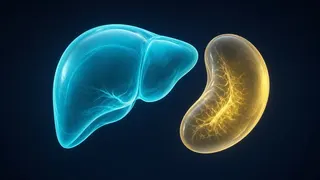
Alcohol raises the risk of several cancers, strains the liver and interacts with some medicines. The safest choice is not to drink; choose alcohol-free drinks.

When to call your doctor
Worrying signs — fever, bleeding, new pain, breathlessness — should be reported to your doctor between visits too. Getting in touch early is always better than waiting.
05Free of tobacco and alcohol
Steps.




06Tobacco and alcohol: the facts (simplified)
| Topic | Fact | What to do |
|---|---|---|
| Smoking | Many cancers, heart disease | Quit, get support |
| Second-hand smoke | Especially harmful for children | A smoke-free home and car |
| E-cigarettes, water pipes | Not harmless | Talk to your doctor |
| Alcohol | No safe amount | Do not drink, or discuss with your doctor |
* Your doctor can help you quit.
07Key terms
- Nicotine
- The addictive substance in tobacco.
- Nicotine replacement therapy
- Patches, gum and similar aids.
- Second-hand smoke
- Breathing in other people’s smoke.
- Carcinogen
- A substance that can cause cancer.
- Interaction
- A change in how a medicine works when combined with another substance.
- Quit programme
- Support to stop using tobacco.
08Key points
- Do not smoke.
- Quitting helps at any age.
- Ask for help.
- Keep your home smoke-free.
- Choose alcohol-free drinks.
- Ask your doctor about medicines and alcohol.
09Frequently asked questions
I have smoked for years — is it worth quitting?
Yes; risks fall gradually after you stop.
Are e-cigarettes safer?
They are not harmless; discuss with your doctor.
Is a glass of wine good for the heart?
According to the WHO there is no safe amount; there are better ways to protect the heart.
My teenager is trying smoking — what should I do?
Talk calmly, explain the facts and seek support from the doctor and school.
Does this information replace medical advice?
No. This is general education; only your treating doctor can assess your situation.
10Questions for your doctor
Take these questions to your appointment. The ones you save are collected on the “My questions” page and stay on this device only.
I have smoked for years — is it worth quitting?
Are e-cigarettes safer?
Is a glass of wine good for the heart?
My teenager is trying smoking — what should I do?
Does this information replace medical advice?
12Sources
- World Health Organization. Tobacco
- National Cancer Institute. Tobacco
- Smokefree.gov (U.S. National Cancer Institute). Smokefree
- World Health Organization. Alcohol
- National Cancer Institute. Alcohol and Cancer Risk
- American Cancer Society. Alcohol Use and Cancer
- National Cancer Institute (NCI). Follow-Up Medical Care
- National Cancer Institute (NCI). Cancer Survivorship
- Cancer.Net (ASCO). Follow-Up Care After Cancer Treatment
- Leukemia & Lymphoma Society (LLS). Long-Term and Late Effects of Treatment