Red cell transfusion day: comfortable and safe
When hemoglobin is very low or symptoms are severe, red cells are transfused. This can ease tiredness and breathlessness. It can take a few hours, so plan the day for comfort.

01Short answer
02Simple explanation
Compatibility test.
Plan the day for comfort.
Symptoms: at once.
At home: watch.
03Scientific explanation
NHS: red cell transfusions treat anaemia; compatibility checks and observation keep them safe.
NCI: chemotherapy can lower neutrophils, platelets and red cells, which raises the risk of infection, bleeding and fatigue.
04What happens in the body?
Compatibility
Blood group and antibodies are checked.
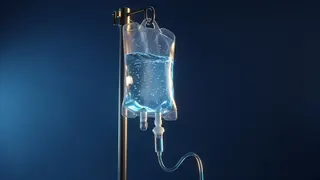
Iron
Iron can build up after many transfusions.

Neutrophils
The first defence against infection; when they are low, hygiene matters most.
Platelets
Help blood clot; when they are low, protect yourself from injury.
05Daily protection: four steps
Wash, protect, check, report.




06Key points at a glance
| Topic | In brief |
|---|---|
 Compatibility | Blood group and antibodies are checked. |
 Iron | Iron can build up after many transfusions. |
 Neutrophils | The first defence against infection; when they are low, hygiene matters most. |
 Platelets | Help blood clot; when they are low, protect yourself from injury. |
07Key terms
- Red cell
- A blood cell that carries hemoglobin.
- Crossmatch
- A test that donor and recipient blood are compatible.
- ANC
- Absolute neutrophil count.
- Thrombocytopenia
- A low platelet count.
08Key points
- Prepare.
- Rest.
- Report.
- Wash your hands.
- 38 °C: call.
09Frequently asked questions
How long does it take?
Usually a few hours; your team will tell you.
Will my blood group change?
No; after a transplant there can be a special situation, so ask your team.
What should I watch every day?
Temperature, bleeding, tiredness and the catheter site; tell your team about any change.
10Questions for your doctor
Take these questions to your appointment. The ones you save are collected on the “My questions” page and stay on this device only.
How long does it take?
Will my blood group change?
What should I watch every day?
12Sources
- NHS. Blood transfusion
- National Cancer Institute. Infection and Neutropenia during Cancer Treatment
- National Cancer Institute. Bleeding and Bruising (Thrombocytopenia) and Cancer Treatment
- National Cancer Institute. Anemia and Cancer Treatment
- World Health Organization. World Hand Hygiene Day
- National Cancer Institute (NCI). Depression (PDQ) – Patient Version
- Journal of Clinical Oncology, 2022. Exercise, Diet, and Weight Management During Cancer Treatment: ASCO Guideline
- Medicine & Science in Sports & Exercise, 2019. Exercise Guidelines for Cancer Survivors: Consensus Statement from International Multidisciplinary Roundtable
- Cochrane Database of Systematic Reviews, 2019. Aerobic physical exercise for adult patients with haematological malignancies
- National Cancer Institute (NCI). Taking Time: Support for People With Cancer