Choosing soap: mild, fragrance-free, ordinary
During treatment the skin is dry and sensitive. The right soap cleans without drying or irritating it.

01Short answer
02Simple explanation
Mild, fragrance-free.
Plain soap is enough.
Shared: liquid soap.
Special washes: as prescribed.
03Scientific explanation
FDA: antibacterial soaps have not been shown to be more effective than plain soap and water for home use.
NCI: chemotherapy can lower neutrophils, platelets and red cells, which raises the risk of infection, bleeding and fatigue.
04What happens in the body?
Fragrance
Fragrances can irritate sensitive skin and cause allergy.
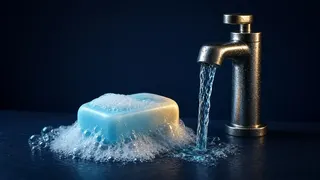
Bar soap
Germs can grow on a bar left in a wet dish.
Neutrophils
The first defence against infection; when they are low, hygiene matters most.
Platelets
Help blood clot; when they are low, protect yourself from injury.
05Daily protection: four steps
Wash, protect, check, report.





06Key points at a glance
| Topic | In brief |
|---|---|
 Fragrance | Fragrances can irritate sensitive skin and cause allergy. |
 Bar soap | Germs can grow on a bar left in a wet dish. |
 Neutrophils | The first defence against infection; when they are low, hygiene matters most. |
 Platelets | Help blood clot; when they are low, protect yourself from injury. |
07Key terms
- pH-neutral
- Close to the skin's natural acidity.
- Antibacterial soap
- Soap with added antimicrobial agents.
- ANC
- Absolute neutrophil count.
- Thrombocytopenia
- A low platelet count.
08Key points
- Mild.
- Fragrance-free.
- Personal.
- Wash your hands.
- 38 °C: call.
09Frequently asked questions
Is baby soap all right?
Yes, if fragrance-free it is a good choice.
Chlorhexidine washes?
Only if your team prescribes them.
What should I watch every day?
Temperature, bleeding, tiredness and the catheter site; tell your team about any change.
10Questions for your doctor
Take these questions to your appointment. The ones you save are collected on the “My questions” page and stay on this device only.
Is baby soap all right?
Chlorhexidine washes?
What should I watch every day?
12Sources
- U.S. Food and Drug Administration. Antibacterial Soap? You Can Skip It, Use Plain Soap and Water
- National Cancer Institute. Infection and Neutropenia during Cancer Treatment
- National Cancer Institute. Bleeding and Bruising (Thrombocytopenia) and Cancer Treatment
- National Cancer Institute. Anemia and Cancer Treatment
- World Health Organization. World Hand Hygiene Day
- National Cancer Institute (NCI). Stem Cell Transplants in Cancer Treatment
- National Cancer Institute (NCI). Chemotherapy to Treat Cancer
- National Cancer Institute (NCI). Female Fertility and Cancer Treatment
- National Cancer Institute (NCI). Male Fertility and Cancer Treatment
- National Cancer Institute (NCI). Hair Loss (Alopecia) and Cancer Treatment