“Immune-boosting” claims: what can you trust?
Ads and social media present many products as "immune-boosting". In leukemia, though, the immune problem lies in the blood cells themselves, and it cannot be "boosted" with a pill or powder. This section explains how to judge such claims.

01Short answer
02Simple explanation
Immunity recovers with treatment.
Powders and pills do not boost it.
Some are harmful.
Hygiene and food protect.
03Scientific explanation
NCI: alternative treatments do not cure leukemia; delaying or replacing treatment can lower the chance of survival.
NCCIH: "natural" does not mean "safe"; the contents and quality of supplements are not checked as strictly as medicines.
04What happens in the body?
Warning signs
"Miracle", "100% natural", "what doctors hide", "cures everything": these are red flags.

Checking
Show the product to your team and check the contents and evidence together.

Interactions
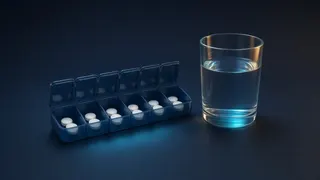
Supplements can change medicine levels in the blood through liver enzymes such as CYP3A4.
Food first
A varied diet usually provides the vitamins you need; supplements only when there is a need.
05Supplements: four steps
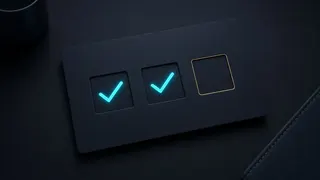
List them, show your team, check the evidence, take only with agreement.




06Key points at a glance
| Topic | In brief |
|---|---|
 Warning signs | "Miracle", "100% natural", "what doctors hide", "cures everything": these are red flags. |
 Checking | Show the product to your team and check the contents and evidence together. |
 Interactions | Supplements can change medicine levels in the blood through liver enzymes such as CYP3A4. |
 Food first | A varied diet usually provides the vitamins you need; supplements only when there is a need. |
07Key terms
- G-CSF
- A medicine that increases neutrophil production.
- Placebo
- Something with no active effect that helps through belief.
- Dietary supplement
- A product of vitamins, minerals, herbs or other substances.
- Interaction
- One substance changing the effect of another.
08Key points
- Ask for evidence.
- Spot the red flags.
- Focus on real protection.
- A supplement is not a treatment.
- Report every one.
09Frequently asked questions
It helped my friend; will it help me?
Individual stories are not evidence; everyone's treatment differs.
Is it embarrassing to tell my doctor?
No; your team does not judge, it wants to protect you.
Is a "natural" supplement harmless?
No. Natural substances can also act strongly and interact.
10Questions for your doctor
Take these questions to your appointment. The ones you save are collected on the “My questions” page and stay on this device only.
It helped my friend; will it help me?
Is it embarrassing to tell my doctor?
Is a "natural" supplement harmless?
12Sources
- NIH Office of Dietary Supplements. Dietary Supplement Fact Sheets
- NCCIH. Using Dietary Supplements Wisely
- National Cancer Institute. Complementary and Alternative Medicine
- Memorial Sloan Kettering. About Herbs, Botanicals and Other Products
- NCCIH. Probiotics: What You Need To Know
- ESPEN. ESPEN practical guideline: Clinical Nutrition in cancer (2021)
- Leukemia & Lymphoma Society. Food and Nutrition
- NIDDK. Eating & Nutrition for Chronic Kidney Disease
- NHLBI. DASH Eating Plan
- NIDDK. Eating, Diet & Nutrition for Cirrhosis